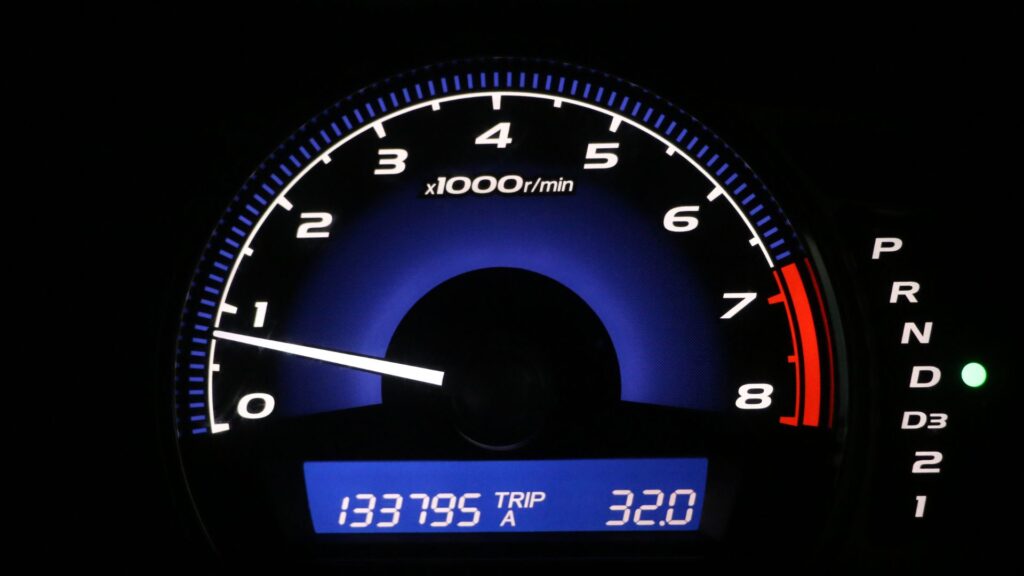
Car Maintenance by Mileage: What Your Odometer Reveals
Most drivers think about car maintenance the wrong way. They wait until something breaks, a warning light comes on, or the car starts making a noise they’ve never heard before. By then, a simple fix has often turned into a costly repair.
Here’s the thing: your odometer is actually one of the most reliable guides you have. The mileage on your car tells a clear story about what it needs and when. Car maintenance by mileage is not a marketing gimmick – it’s the system your vehicle was designed around.
If you’ve ever wondered whether you’re staying on top of your car’s upkeep or falling behind, this guide will help you understand exactly where you stand.
Why Mileage Matters More Than You Might Think
Most people assume maintenance schedules are based on time – like getting an oil change every six months. Time does play a role, but mileage is usually the more accurate measure because it reflects actual wear on your vehicle’s parts.
Think about it this way. A car that sits in a driveway for six months experiences very different stress than one that logs 10,000 miles in the same period. Your engine, brakes, transmission, and tires all wear according to how much they’re used, not how many days pass.
That’s why automakers and experienced mechanics build maintenance schedules around mileage intervals. It’s a smarter, more precise way to protect your investment.
The Core Mileage Intervals Every Driver Should Know
Car maintenance by mileage follows a fairly consistent pattern across most makes and models. While your owner’s manual is always the best reference for your specific vehicle, here are the intervals that apply to most cars and light trucks.
Every 3,000 to 5,000 Miles: The Basics
This is where your most frequent maintenance lives. For many vehicles, especially older ones or those using conventional motor oil, an oil and filter change falls in this range. If your car uses full synthetic oil, you may be able to stretch this to 7,500 or even 10,000 miles depending on the manufacturer’s recommendation.
At this interval, a good technician will also check your tire pressure, inspect your fluids, and look for anything that seems off. It’s a quick visit, but it’s one of the most important ones you’ll make.
Every 15,000 to 30,000 Miles: Systems Check
By this point, certain components need closer attention. Your cabin air filter is typically due for replacement somewhere in this range, and your engine air filter may need a look too. Brake fluid, power steering fluid, and coolant levels should all be inspected and topped off if needed.
This is also a good time to have your suspension components checked. Worn bushings, ball joints, and shocks don’t always announce themselves loudly – but they affect your handling and safety every time you drive.
Every 30,000 to 60,000 Miles: Mid-Life Maintenance
At this stage, your vehicle has seen real road time, and certain systems are starting to work harder. Brake pads are a common replacement item in this range, though driving habits and conditions can move that number in either direction. Spark plugs, which are central to a proper tune-up, are often due for replacement in this range, depending on whether your vehicle uses standard or iridium plugs.
Your transmission fluid and differential fluid may also need attention depending on your vehicle type and usage. Ignoring these fluids is one of the more common ways drivers end up facing expensive repairs down the road.
Your tires should be rotated regularly throughout this range, and a wheel alignment check is worth scheduling if you’ve noticed any pulling or uneven wear. Proper alignment protects your tires and keeps your car tracking straight on the road.
Every 60,000 to 100,000 Miles: The Big Intervals
This is where some of the more significant maintenance items come due. Timing belts on vehicles that have them are typically recommended for replacement somewhere between 60,000 and 100,000 miles. Missing this one can lead to catastrophic engine damage, so it’s not a service to push off.
Coolant flushes, transmission flushes, and fuel system cleanings often fall in this range as well. Your exhaust system should also be inspected more carefully at this stage, as components like the oxygen sensors and catalytic converter can degrade over time.
If your vehicle is approaching or past 100,000 miles, it doesn’t mean it’s running out of life – it means it deserves a thorough once-over to identify what’s still in good shape and what needs attention.
What Happens When You Skip Mileage-Based Maintenance
Skipping scheduled maintenance is almost always a short-term savings with a long-term price tag. Here’s how that plays out in practice.
Old, dirty oil doesn’t lubricate as well as fresh oil. Over time, this increases friction inside the engine and leads to wear that simply can’t be undone. Neglecting spark plug replacements causes your engine to work less efficiently, which means worse fuel economy and more strain on surrounding components.
Brake fluid absorbs moisture over time, which lowers its boiling point and can lead to brake fade when you need stopping power the most. Coolant that’s never been flushed becomes acidic and starts corroding your radiator system from the inside out.
These aren’t scare tactics – they’re mechanical realities. The good news is that staying on schedule with car maintenance by mileage keeps these problems from ever getting started.
How to Know Where Your Car Stands Right Now
If you’re not sure whether you’re behind on maintenance, start with the basics. Pull out your owner’s manual and compare your current mileage to the service intervals listed. If you don’t have the manual, your repair shop can look up the manufacturer’s schedule for your specific make and model.
Newnum and Sons Garage in Covington, IN, offers free online maintenance schedules to help drivers know exactly where they stand. This takes the guesswork out of it and gives you a clear picture of what’s coming up and what might already be overdue.
If you haven’t had a full inspection in a while, scheduling one is the fastest way to get a complete answer. A trained technician can review your vehicle’s condition and flag anything that needs attention before it becomes a bigger issue.
The Services That Keep Up With Your Mileage
Car maintenance by mileage covers a wide range of services. Understanding which services align with which intervals helps you have more informed conversations with your mechanic and avoid being caught off guard.
- Lube and oil service is the foundation of everything. Clean oil keeps your engine running smoothly and extends its life significantly.
- Tune-ups address the ignition system – spark plugs, wires, and related components – that directly affect how efficiently your engine burns fuel.
- Brake service is safety-critical. Worn pads, low fluid, or warped rotors don’t always make noise right away, which is why regular inspection matters.
- Tire inspection and wheel alignment protect both your tires and your handling. Uneven wear is often a sign that alignment or suspension work is needed.
- Transmission service is one of the more commonly skipped items and one of the more expensive ones to neglect. Fluid changes at the right intervals keep internal components clean and properly lubricated.
- Radiator system service ensures your engine stays at the right temperature. Overheating is one of the fastest ways to do serious engine damage.
- A/C service may not feel like a safety issue, but a failing system can be a sign of refrigerant leaks or compressor problems that worsen over time.
- Suspension inspections catch wear in components that affect ride quality, handling, and tire life. This is especially worth checking as mileage climbs.
- Electrical system checks become more important as vehicles age. Modern cars rely heavily on sensors, modules, and wiring that all need to be in working order.
- Exhaust system inspections address everything from emissions performance to the structural integrity of pipes and mounts that can corrode over time.
A Simple Mileage Maintenance Reference
To give you a practical snapshot, here’s how the major service items generally line up by mileage. Keep in mind that your owner’s manual and your mechanic’s inspection may adjust these based on your specific vehicle and driving conditions.
Mileage Interval | Typical Service Items
|
|---|---|
3,000 – 5,000 miles | Oil and filter change, fluid top-off, tire pressure check |
15,000 – 30,000 miles | Air filters, brake fluid inspection, suspension check |
30,000 – 60,000 miles | Brake pads, spark plugs, transmission fluid, tire rotation, wheel alignment |
60,000 – 100,000 miles | Timing belt, coolant flush, fuel system service, exhaust inspection |
100,000+ miles | Full inspection, sensor checks, electrical system review |
Use this as a starting point, not a substitute for professional advice.
Frequently Asked Questions
How do I know which mileage schedule applies to my car?
Your vehicle’s owner’s manual is the most accurate source. It breaks down service intervals by mileage and sometimes by time as well. If you don’t have your manual, your mechanic can pull up the manufacturer’s recommended schedule using your vehicle identification number (VIN).
Is it okay to go a little over the recommended mileage before a service?
Going slightly over a recommended interval occasionally isn’t going to ruin your vehicle. But making a habit of it adds up over time. Each interval exists because engineers determined that a part or fluid reaches a performance threshold at that mileage. Pushing past it regularly accelerates wear.
What if I drive very little? Does mileage still apply?
Yes, though time becomes more relevant when mileage is very low. Even if you only drive 5,000 miles a year, fluids like oil and coolant still degrade over time. Some services are recommended at a minimum interval regardless of mileage, so check your manual for time-based recommendations as well.
Should older cars follow the same mileage schedules?
Older vehicles often need more frequent attention rather than less. As components age, they become more vulnerable to wear and failure. A well-maintained older vehicle can last a long time, but it may need inspections more often than a newer car with fewer miles.
How does driving style affect maintenance intervals?
Hard acceleration, frequent towing, stop-and-go city driving, and extreme temperatures all count as “severe” driving conditions. If this describes your typical use, you may need to follow a more aggressive maintenance schedule. Your mechanic can help you determine what’s appropriate for your driving habits.
Staying Ahead in Covington, IN
Drivers in Covington, IN have access to straightforward, honest service at Newnum and Sons Garage. The team there doesn’t push unnecessary work – they explain what’s due, why it matters, and give you a clear estimate before anything gets started. That kind of transparency makes it a lot easier to stay on schedule without second-guessing every recommendation.
Whether you’re due for a routine oil change or your odometer is telling you it’s time for something more involved, having a trusted local shop you can rely on makes all the difference.
Stay Ahead With Mileage-Based Maintenance
Your odometer is one of the most honest tools you have when it comes to taking care of your car. Car maintenance by mileage gives you a clear, predictable framework so nothing sneaks up on you. Staying on schedule protects your engine, your brakes, your transmission, and your wallet.
When you’re ready to find out where your vehicle stands, reach out to Newnum and Sons Garage at 765-793-3334 to schedule a service visit or learn more about their tune-up and engine services.