7 Warning Signs Of A Bad Wheel Bearing You Shouldn't Ignore
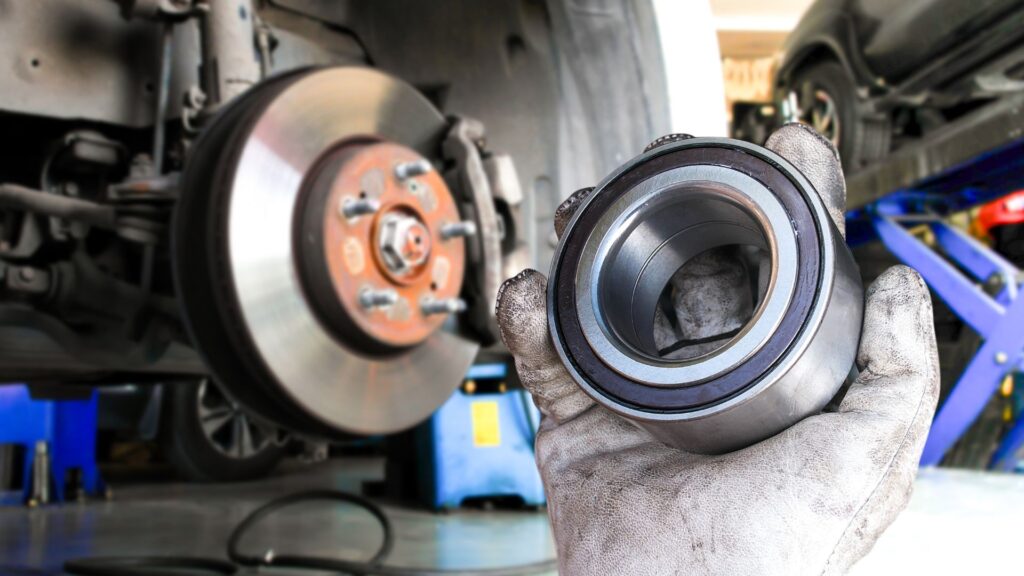
Your car depends on dozens of moving parts working together, and wheel bearings are some of the most important ones you rarely think about. These small but mighty components are located inside the hub of each wheel, supporting the weight of the vehicle and allowing the wheels to spin smoothly. When a bearing starts to fail, it can affect your safety in ways that go beyond a strange noise.
Knowing the signs of a bad wheel bearing early can save you from costly repairs and keep your ride safe on the road.
What Does A Wheel Bearing Actually Do?
A wheel bearing is a set of steel balls or rollers housed inside a ring called a race, located inside the hub assembly. Its job is to carry the weight of your vehicle while reducing friction so the wheel can rotate freely. Most vehicles today use sealed bearing assemblies, meaning they do not require regular greasing. But they do wear out over time, especially after hitting a pothole or driving on rough roads.
7 Warning Signs Your Wheel Bearing Is Going Bad
A Humming, Growling, Or Howling Noise
The most common sign is a humming noise that increases with speed. Some drivers describe it as a growl or even a howl, especially at highway speeds. This wheel bearing noise often gets louder as the vehicle accelerates and may shift in tone when you change lanes or turn slightly.
Do not confuse it with tire noise – the sound gets louder as the bearing wears down further.
Vibration While Driving
Feeling vibration through the floorboard or steering wheel while driving is another key warning. A failing bearing creates instability at the axle, which sends vibration up through the suspension and into the cabin. This feeling tends to get worse at high speeds.
Wobble Or Excessive Play In The Wheel
If you jack up your car and grab the tire at the 12 and 6 o’clock positions, any wobble or excessive play in the wheel is a red flag. Worn-out bearings lose their preload and allow movement that should not be there. A healthy bearing holds the wheel firm with no detectable play.
Uneven Tire Wear
A damaged wheel bearing can cause the wheel to sit at a slight angle, leading to uneven tire wear on one side. If you notice uneven wear patterns that do not match alignment issues, inspect your wheel bearings before assuming it is just an alignment problem.
ABS Warning Light On Your Dashboard
Many vehicles use a wheel speed sensor built directly into the bearing assembly. When the bearing is bad, it can disrupt the sensor signal and trigger the ABS warning light on your dashboard. This ties directly to the anti-lock braking system and traction control system, meaning a faulty wheel bearing can affect your ability to brake safely. Never ignore an ABS or traction control warning.
Pulling During Braking
A worn-out or damaged bearing can cause the wheel to pull to one side when you apply the brake. This happens because the bearing affects how evenly the brake rotor sits against the brake pads. If you notice pulling during brake repair inspections, ask the technician to also check the bearing.
Looseness In The Steering
Excessive play in the steering or a steering wheel that feels less responsive than usual can point to a failing wheel bearing. The bearing supports the wheel hub assembly, and when it degrades, it can affect steering precision and automobile handling. This is especially noticeable at lower speeds or when parking.
How Long Can You Drive On A Bad Bearing?
This is a question worth taking seriously. The longer you wait, the more the bearing wears down and the more it can damage surrounding parts like the CV joint, brake rotors, and hub assembly.
In serious cases, a bad bearing can cause the wheel to seize or separate from the vehicle entirely – a major accident risk.
Wheel bearings last anywhere from 85,000 to 100,000 miles under normal conditions, but rough roads and heavy loads can shorten that significantly. If you are noticing any of these wheel bearing symptoms, do not delay a proper inspection.
What To Expect With Wheel Bearing Replacement
Wheel bearing replacement costs vary depending on the vehicle and whether the bearing is press-in or a hub unit. It is not typically the most expensive auto repair, but it becomes more costly if you wait, since related damage can compound. Knowing your car and acting early on warning signs keeps replacement costs reasonable.
Conclusion
A bad wheel bearing does not announce itself loudly at first – it starts subtly and gets worse.
Whether you are hearing a humming noise, feeling vibrations, or noticing uneven wear, these signs that a wheel bearing is going bad deserve prompt attention. The team at Newnum and Sons Garage in Covington, IN, is ready to help with honest diagnostics and quality repairs. Call us at 765-793-3334 to schedule your inspection and stay ahead of bigger problems.