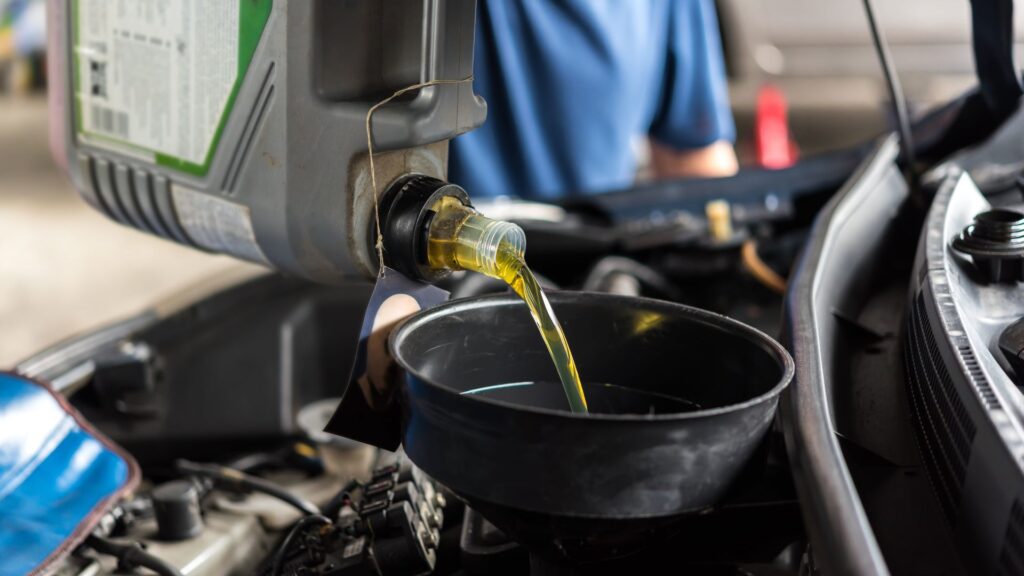
Synthetic Vs Conventional Oil: Why Your Engine Notices The Difference
You pull into the garage and the technician asks: synthetic or conventional? You nod and say “whatever’s fine” because honestly, it all just sounds like oil to you. But here is the thing – your engine does not think they are the same at all. And over time, that difference shows up in a big way.
Let’s break this down in plain language so you can actually make the right call for your vehicle.
What Is Conventional Oil, Anyway?
Conventional oil, sometimes called mineral oil, comes straight from crude petroleum that’s been refined and processed. It has been the standard for decades, and it works well under normal conditions for older or simpler engines.
The downside is that conventional oil breaks down faster under heat and pressure. Once it starts to degrade, it loses its ability to lubricate effectively, which puts more stress on engine components.
What Makes Synthetic Oil Different?
Synthetic oil is engineered in a lab. It starts with a base oil but goes through a chemical process that creates more uniform, stable molecules. That uniformity is what makes it so effective.
Because synthetic oil has a consistent molecular structure, it handles temperature extremes better, flows faster on cold starts, and resists breakdown far longer than conventional oil. It was originally developed for high-performance and aviation engines, but now it is widely used in everyday vehicles.
Why Your Engine Actually Notices the Difference
Your engine is full of moving metal parts spinning and sliding against each other thousands of times per minute. Oil is what keeps those parts from grinding each other down. When the oil is thin, uneven, or degraded, that protection weakens.
Here is where the rubber meets the road:
- Cold starts: Synthetic oil flows more quickly at low temperatures, protecting your engine in those first critical seconds after startup. Conventional oil can be sluggish in cold weather.
- Heat resistance: Synthetic oil holds up much better under high operating temperatures, reducing the chance of sludge buildup inside your engine.
- Longer drain intervals: Most conventional oils need to be changed every 3,000 to 5,000 miles. Synthetic oil typically lasts 7,500 to 15,000 miles or more, depending on the manufacturer’s recommendation.
- Engine cleanliness: Synthetic oil does a better job of carrying contaminants to the filter and resisting sludge formation, keeping internal components cleaner over time.
Which One Is Right for Your Vehicle?
This is where it gets a little personal. The right oil depends on your engine, your driving habits, and your vehicle’s age.
Newer Vehicles
Most modern engines are designed and calibrated for synthetic oil. Many manufacturers actually require it. Using conventional oil in a vehicle built for synthetic could void your warranty or accelerate wear. Always check your owner’s manual or ask a technician who knows what they are doing.
Older or High-Mileage Vehicles
This is where conventional oil used to have a stronghold. Older engines with worn seals sometimes tolerated conventional oil better because synthetic oil’s superior cleaning ability could loosen deposits that were actually filling gaps in old seals.
However, high-mileage synthetic blends are now specifically formulated for vehicles with over 75,000 miles. These oils include seal conditioners and additives that protect aging engine components while still offering many of synthetic’s benefits.
Short Trip and Stop-and-Go Driving
If you mostly drive short distances around Covington – never really letting your engine fully warm up – conventional oil may degrade faster than expected because the engine never fully purges moisture and combustion byproducts. Synthetic handles this environment more reliably.
Highway and Long-Distance Driving
Synthetic shines here. Long highway stretches put sustained heat load on the engine, and synthetic oil maintains its viscosity and protective properties better over those extended runs.
The Cost Question: Is Synthetic Worth the Price?
Synthetic oil costs more upfront. There is no getting around that. A conventional oil change might run you less per service, and that feels good in the moment.
But stretch the math out. If conventional oil needs changing every 4,000 miles and synthetic lasts 10,000 miles, you are doing more than twice as many conventional oil changes in the same mileage window. Factor in labor each time, and the cost difference shrinks considerably.
More importantly, cleaner, better-protected engines tend to avoid costly repairs. Engine wear from inadequate lubrication is not a cheap fix. The small premium on synthetic oil is often far less than the cost of addressing premature wear or sludge-related damage down the road.
What About Synthetic Blend Oil?
Synthetic blend sits between full synthetic and conventional. It mixes refined conventional oil with synthetic base stock, offering better performance than straight conventional without the full cost of synthetic.
Blends are a reasonable middle ground for drivers who want improved protection without jumping to full synthetic pricing. They work well in trucks and SUVs that haul loads or tow regularly. A good technician can help you decide if a blend makes sense for how you use your vehicle.
Common Myths About Switching to Synthetic
Myth: Once you switch to synthetic, you can never go back.
This one is flat-out false. You can switch between conventional and synthetic without any issue. There is no chemical reaction or engine damage involved.
Myth: Synthetic oil causes leaks in older engines.
Synthetic oil does not cause leaks. If leaks appear after switching, they were already there – synthetic oil simply cleaned away sludge that was hiding them. That is actually useful information about your engine’s condition.
Myth: All synthetic oils are the same.
They are not. Oil ratings, viscosity grades, and additive packages vary by brand and formulation. Using the right viscosity grade – whether that is 5W-30, 0W-20, or something else – matters more than just picking a bottle labeled synthetic.
How Oil Changes Connect to Bigger Engine Health
Oil changes are not just routine boxes to check. They are your engine’s first line of defense. Skipping them, stretching them too long, or using the wrong oil type can lead to accelerated wear, increased fuel consumption, and eventually serious internal damage.
Staying current with your oil service is one of the most effective things you can do to extend the life of your vehicle. Paired with regular inspections, it helps technicians catch other issues early – before they become expensive problems.
If you have ever wondered how an oil change affects engine performance, it is worth seeing how oil service fits into your vehicle’s overall maintenance plan. Routine oil service is just one part of keeping your engine running cleanly and efficiently over the long haul.
Signs Your Engine May Not Be Happy with Its Current Oil
Your engine will not send you a text message, but it does send signals. Here are a few things worth paying attention to:
- A ticking or knocking sound, especially on cold starts, can indicate poor lubrication reaching the upper engine components.
- Dark, gritty oil on the dipstick that looks more like tar than oil means it is well overdue for a change.
- A burning oil smell inside the cabin often points to oil degradation or a leak near a hot surface.
- Reduced fuel efficiency over time can sometimes be traced back to engine components working harder due to inadequate lubrication.
None of these symptoms should be ignored. A quick oil check or inspection can tell you a lot about what is happening inside your engine before it turns into something more serious.
Frequently Asked Questions
Can I switch from conventional to synthetic mid-life on an older engine?
Yes, you can. There is no harm in switching, though it is worth having a technician check your engine for existing leaks or sludge buildup first. Synthetic oil’s cleaning properties can stir up deposits in a neglected engine, so knowing what you are working with upfront is smart.
How do I know what viscosity grade my engine needs?
Your owner’s manual is the best source. Your technician can also confirm the right grade based on your engine type and climate. Using the wrong viscosity – too thick or too thin – reduces oil’s effectiveness regardless of whether it’s synthetic or conventional.
Does driving in Indiana’s winters affect which oil I should use?
Absolutely. Cold Indiana winters are exactly the kind of environment where synthetic oil proves its worth. It flows more readily at low temperatures, which means better lubrication during those cold morning starts. Conventional oil can temporarily thicken in the cold before your engine warms up, leaving components less protected during startup.
Is synthetic oil recommended for diesel engines?
Yes, and many diesel engines specifically require synthetic formulations to handle the higher pressures and heat loads they generate. If you drive a diesel truck or vehicle, check the manufacturer’s spec and use the correct diesel-rated synthetic oil.
How often should I really change my oil?
It depends on the oil type, your driving conditions, and your vehicle. A good rule: follow the manufacturer’s recommendation in your owner’s manual, and let a qualified technician advise you based on your actual driving habits. Short-trip city driving can wear oil out faster than highway miles, even if the odometer says the same number.
Choose the Right Oil for Your Engine
Choosing between synthetic and conventional oil is not about trends or marketing – it is about what your specific engine needs to stay protected and reliable. Both have their place, but synthetic offers real advantages in performance, longevity, and engine cleanliness that most modern drivers benefit from. If you are unsure what is right for your vehicle, the best move is getting a straight answer from someone who knows engines. Schedule your next lube and oil service with Newnum and Sons Garage, or call us at 765-793-3334 to talk it through before your next oil change is due.