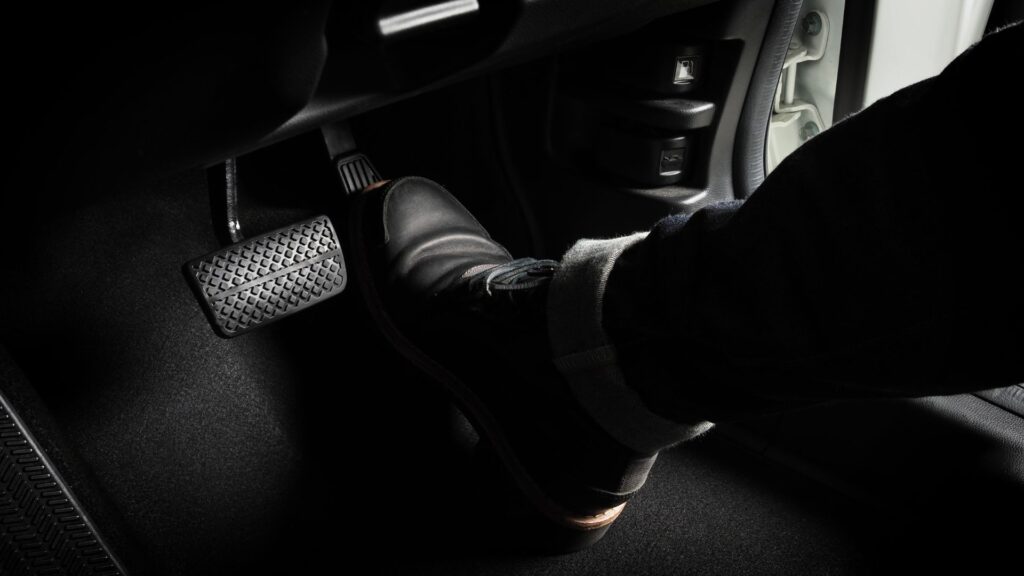
Why Does My Car Shake When I Brake? Common Causes and How to Fix Them Fast
You are driving through Covington, IN. Everything feels normal, and then you hit the brakes.
Suddenly, the steering wheel starts to wobble, the brake pedal feels shaky, and your car shakes when braking. It is unsettling, especially if it happens at highway speeds. If you have caught yourself thinking, “Why does my car shake when I brake?” you are not alone.
There are several common reasons why your car might do this. The good news is that most brake-related vibration issues can be fixed quickly once you know what to look for.
Let’s break it down in plain English so you can understand what is happening behind the wheel.
What Does It Mean When Your Car Shakes When Braking?
When you press the brake, your brake system uses friction to slow your vehicle. In disc brakes, brake pads clamp against metal discs called brake rotors. That friction creates the force needed to slow the car.
If something in that system is uneven, loose, or worn, it can cause vibrations. You may feel a vibration in the brake pedal, the steering wheel, or even through the entire car. In some cases, the car is vibrating only during brake application. In others, shaking while braking can get worse over time.
One of the most common signs is brake pedal pulsation. That rhythmic pulsation happens because the rotor surface is not perfectly smooth or flat anymore.
Warped or Uneven Brake Rotors – A Common Cause
One of the most common causes of a car shake when I brake is a problem with the rotor. Specifically, braking is warped brake rotors.
How Brake Rotors Become “Warped”
Brake rotors are metal discs attached to each wheel hub. Over time, heat and pressure can cause them to wear down over time or develop thickness variation. This means parts of the rotor are slightly thicker or thinner than others.
When brake pads clamp against a rotor that is not evenly flat, it leads to vibrations. Technically, what many people call “warped” rotors is often excessive runout or uneven disc thickness.
This uneven surface can:
- Cause brake pedal pulsation
- Cause vibrations that become stronger at high speeds
- Make the steering wheel shake during braking
Front rotors are especially prone to this because most of the vehicle’s weight shifts forward when you apply the brakes. If the front rotors have too much runout, you will likely feel the vibration in the steering wheel.
In some cases, the fix is simple resurfacing. In others, your technician may recommend new rotors or replace the rotors entirely.
Worn-Out Brake Pads and Brake Components
Brake pads are designed to grip the rotor and create friction. But brake pads wear with normal driving. When brake pads wear unevenly, or you have worn-out brake pads, they do not grip the rotor evenly.
That uneven grip can also cause shaking or a brake pedal pulsation. Sometimes the issue is not just the pads but other brake components, such as:
- A sticking brake caliper
- Rust or corrosion on the rotor or pad surface
- Worn slide pins in the brake caliper
If a caliper cannot move freely, the pads can drag on the rotor. This constant drag creates excess heat, leading to vibrations and uneven wear on the rotors and pads.
Pads can also cause high-pitched noise, especially when they are thin. If you notice noise along with shaking while braking, it is time for an inspection.
Tire and Wheel Issues That Cause Shaking
Not every brake vibration starts in the brake system. Sometimes the real culprit is the tire or wheel.
Uneven tire wear can cause your vehicle to shake. If the issue only appears when slowing down from highway speeds, a tire balance or wheel alignment problem might be involved.
Loose lug nuts can also cause a wobble that feels like a brake issue. If a wheel is not seated properly on the wheel hub, you may feel a vibration when you hit the brakes.
A worn wheel bearing, which is a type of bearing (mechanical) that reduces friction in the wheel, can also cause shaking. Over time, wear and corrosion can damage it, leading to extra movement in the wheel. That extra play can cause vibrations that become more noticeable during braking.
If you have questions about why your car shakes at high speeds, it is worth having both the tire and brake systems inspected together.
Suspension Problems That Feel Like Brake Issues
Your car suspension and suspension components play a huge role in stability. If you have worn suspension components, such as a damaged strut, control arm bushings, or a loose bushing, it can amplify any small vibration.
A damaged suspension or worn suspension components can cause your vehicle to shake and may even cause it to pull to one side when braking. Driving on rough roads around Covington, IN, can speed up wear in the suspension system.
Damaged suspension parts may also cause uneven tire wear, which then feeds back into more shaking.
When your car might be shaking while braking, it is often smart to check both the brakes and the car suspension together. If you suspect a deeper issue, Newnum and Sons Garage offers thorough suspension and brake services to address the issue correctly the first time.
Problems with Brake Drums or Rear Brakes
While most modern vehicles use disc brakes in the front, some still use drum brakes in the rear.
If your brake drums are out of round or the rotors or drums are uneven, you may feel a subtle pulsation in the pedal. Rear rotors can also develop runout similar to front rotors.
Unlike disc brake systems, drum brake systems house the braking components inside a drum. If there is excessive wear or corrosion, it can lead to a shaky feel during braking.
Can Brake Fluid or ABS Cause Shaking?
In rare cases, air or contamination in the brake fluid can lead to inconsistent pressure when you press the brake. The master cylinder and brake lines rely on clean fluid to transfer force evenly.
If the anti-lock braking system activates, you may feel a rapid pulsation in the brake pedal. That is normal during hard or emergency stops. However, regular vibration during light braking is not typical.
Modern vehicles rely on electronics to monitor speed, pressure, and steering input. If warning lights appear along with shaking, advanced car computer diagnostics can pinpoint issues with sensors or the brake system.
Why It Is Important to Fix It Fast
When your car shakes when you brake, it is not just annoying. It can also affect your ability to control speed and steering. Vibrations can reduce stopping performance and increase wear on other components.
Ignoring the issue may:
- Increase damage to pads or rotors
- Require you to replace the rotors instead of resurfacing
- Put extra strain on suspension system parts
- Lead to more expensive repairs later
Brake pads clamp the rotor using pressure. If the rotor surface is uneven, that pressure is inconsistent. Over time, that uneven contact damages more brake components.
In short, small problems can grow quickly.
What a Professional Inspection Looks Like
When you bring your vehicle in because it shakes when braking, a trained technician will:
- Inspect brake pads for uneven wear
- Measure rotor thickness and check for thickness variation or runout
- Examine the brake caliper and slide pins
- Check tire condition and uneven tire wear
- Inspect suspension components like control arm bushings and strut assemblies
- Verify proper lug nut torque
This kind of thorough approach is part of what makes brake work one of the most common car repair services needed by drivers in Covington, IN. Skipping a proper inspection at a quick-stop oil chain like Jiffy Lube may miss deeper issues.
Local expertise matters when diagnosing complex vibration concerns.
Staying current with routine preventative maintenance services is one of the best ways to prevent major brake problems before they start.
When Should You Call a Professional?
If your car shakes when braking even lightly, or if the steering wheel begins to wobble more aggressively, it is time to schedule an appointment.
You should also seek help if:
- The brake pedal pulsation is getting worse
- The car pulls to one side
- You hear grinding instead of just vibration
- The car is vibrating even at lower speeds
These are clear signs that a mechanic needs to address the issue before it impacts your safety.
Conclusion
If your car shakes when braking, do not ignore it. The issue may be worn brake pads, a “warped” rotor, suspension wear, or even tire problems. The sooner you have it inspected, the easier and more affordable the fix usually is. For trusted, honest help in Covington, IN, contact Newnum and Sons Garage at 765-793-3334. Their experienced team will diagnose the vibration, explain your options clearly, and get your vehicle back to smooth, confident braking fast.