What Is Limp Mode on a Car? Causes, Warning Signs, and How to Fix It Fast
You press the gas pedal, but your car barely responds. The speed won’t climb. A warning light flashes on the dashboard. It feels like your vehicle has suddenly lost its strength.
You might be experiencing limp mode.
If that sounds alarming, take a breath. Limp mode is not your car giving up on you. In fact, limp mode is your car’s way of protecting itself. Let’s break down the limp mode meaning, why it happens, the common symptoms, and how to fix limp mode quickly and safely here in Covington, IN.
What Is Limp Mode on a Car?
Limp mode on a car is a built-in safety feature that limits your engine power and performance when something is wrong. You may also hear it called “limp home mode” or known as “limp safe mode.
Limp mode is a security feature, and the mode is a security feature designed to protect the engine or transmission from serious damage. When a vehicle has entered limp mode, the car goes into reduced power operation so you can drive it slowly to a repair shop.
Think of it like safe mode in spacecraft systems. When a fault is detected, non-essential functions shut down to protect critical components. In your car, that means limited acceleration, restricted gear shifting, and sometimes capped speed.
In simple terms, limp mode is designed to prevent further damage before the underlying problem becomes catastrophic.
What Happens When a Vehicle Is in Limp Mode?
When your vehicle is in limp mode, several things may occur:
- Sudden loss of power
- Poor acceleration
- The transmission is stuck in one gear
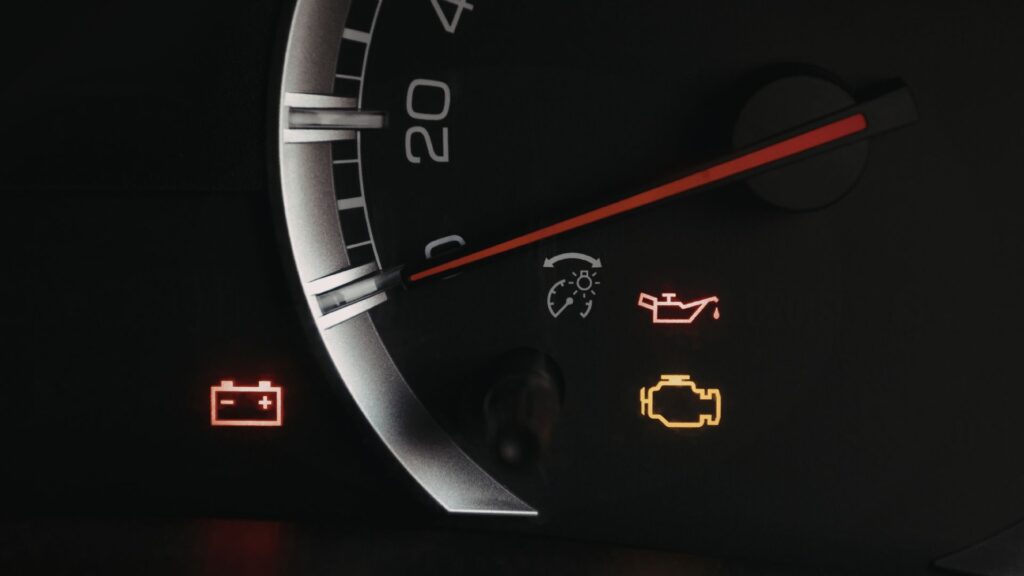
- A check engine light or other warning light illuminated
- The engine light is flashing on the dashboard
- Reduced throttle response
Limp mode reduces engine output and may disable certain features like cruise control or even air conditioning in extreme cases. If your car enters limp mode, it often feels like it does not want to go above 30 to 45 mph.
Limp mode is a sudden protective reaction. It can feel dramatic, especially during highway driving, but it is there to protect the engine and transmission.
What Causes a Car to Go Into Limp Mode?
There are several possible causes of limp mode. Modern vehicles rely heavily on sensors, electrical wiring, and a central control unit. If something sends faulty data, limp mode activation can occur.
Here are some common causes.
Engine-Related Problems
If the engine detects serious trouble, limp mode is triggered.
Possible engine issues include:
- Engine knocking
- Low oil or contaminated motor oil
- Overheating due to radiator or coolant problems
- Mass flow sensor failure is affecting airflow and flow measurement
- Oxygen sensor malfunction
- Problems in the exhaust system or catalytic converter
- Exhaust gas recirculation failure
A faulty mass flow sensor can send incorrect air mass readings to the computer. That incorrect signal may activate limp mode because the engine cannot safely manage the airflow and fuel mixture.
Transmission Problems
A transmission issue is another major reason a car goes into limp mode. This is especially true with an automatic transmission.
Low transmission fluid, damaged gears, or problems with hydraulic fluid pressure can all trigger limp mode in a car. When limp mode activates, the vehicle may stay stuck in one gear. This protects the transmission mechanical device from further internal damage.
Low fluid levels are a major factor. If fluid levels drop too far, there may not be enough lubrication or cooling to protect vital components.
Electrical and Sensor Failures
Modern cars rely on on-board diagnostics and multiple sensors to monitor speed, throttle, brake input, airflow, and more. Sensors can cause limp mode if they malfunction.
Common electrical causes include:
- Damaged wire connections
- Failing sensor readings
- Faulty electric battery
- Issues with the control unit
If the computer cannot detect accurate information, it may trigger limp mode to prevent further damage. A broken speed sensor or throttle position sensor can cause a car to enter limp mode unexpectedly.
Fuel and Air System Problems
A clogged air filter, restricted exhaust, or fuel delivery issue can limit proper combustion. When the engine struggles to breathe or fuel properly, limp mode may activate.
If the catalytic converter becomes blocked due to failed catalysis, exhaust flow slows down and pressure builds. That alone can activate limp mode.
In short, limp mode occurs when your vehicle senses something that could damage major components.
Warning Signs Your Car May Be in Limp Mode
There are clear signs and symptoms that indicate limp mode.
Common symptoms include:
- Sudden loss of power
- Limited speed
- Stuck gear in the transmission
- Flashing check engine light
- Reduced acceleration
- Vehicle struggling under load
If your car goes into limp mode while driving, you may notice that no matter how hard you press the gas pedal, the throttle does not respond normally.
Limp mode can vary by vehicle, but the central theme is always limited performance and protective restrictions.
Can You Drive in Limp Mode?
Technically, yes, you can drive in limp mode. That is the purpose of the limp home mode.
However, you should only drive your car in limp mode long enough to reach a safe place. Find a safe area or move the vehicle to a safe place as soon as possible.
Continuing to drive your car in limp mode for extended periods is not recommended. Limp mode is activated to protect the engine or transmission. Driving too far could make repair costs much higher.
Never ignore limp mode. If limp mode requires immediate attention, postponing repairs could turn a minor sensor issue into costly internal damage.
How to Diagnose and Fix Limp Mode
The first step to fix limp mode is proper diagnostics. Guessing rarely works in modern automotive systems.
A technician will use an OBD-II scanner to read trouble codes from the on-board diagnostics system. You can use an OBD-II scanner at home, but accurate interpretation of trouble codes often requires an experienced mechanic.
At Newnum and Sons Garage, we provide professional car computer diagnostics services to pinpoint exactly why limp mode is triggered.
Once we diagnose the underlying problem, we inspect related systems and components. That might include:
- Checking fluid levels
- Inspect electrical wiring
- Testing each sensor
- Evaluating airflow and exhaust system performance
From there, the repair could range from a simple sensor replacement to more advanced engine or transmission repair.
For engine-related problems, our expert engine repair services ensure your vehicle is repaired correctly. If the issue involves a transmission issue or low transmission fluid, we also offer reliable transmission repair and service.
Can You Reset Limp Mode?
Sometimes restarting the car will reset limp mode. If the issue was temporary, the car out of limp mode may operate normally again.
However, this does not fix limp mode permanently. Limp mode is your car’s warning that something is wrong. If you reset limp mode without addressing the cause, the car goes right back into limp mode once the system detects the fault again.
Bypassing limp mode or trying to force the car to go into limp manually is never a good idea. Bypassing limp mode removes that layer of protection. Remember, limp mode to prevent major damage is there for a reason.
If your vehicle has entered limp mode more than once, it is time to take your car to a qualified auto mechanic.
Is Limp Mode the Same as Other Performance Limiters?
Some people confuse limp mode with “turtle mode” in hybrid or electric vehicles. While similar in concept, turtle mode is simply another form of limp mode focused on battery or electric motor protection.
Either way, both systems limit speed, power, and performance when a serious problem is detected.
If you are noticing a check engine light that turns on and off, that may be an early clue before limp mode activates. Here are some helpful insights on the reasons your check engine light comes on and off.
How to Reduce the Risk of Limp Mode Activation
You cannot always prevent unexpected failures, but routine maintenance greatly lowers your risk.
- Check fluid levels regularly, including oil and transmission fluid
- Replace air filters on schedule
- Monitor coolant and radiator system performance
- Pay attention to brake, tire, and suspension issues
- Address warning lights early
Many of these fall into the category of the most common car repairs and maintenance issues.
Staying proactive helps protect the engine and reduce the chances your car goes into limp mode on a busy road in Covington, IN.
When Should You Call a Mechanic in Covington, IN?
If your car is in limp mode, do not wait. Limp mode is activated because the system detected a serious fault.
Bring your vehicle to Newnum and Sons Garage if:
- The check engine light stays on
- You experience repeated limp mode activation
- The transmission is stuck in one gear
- There is a sudden loss of power
- The vehicle feels unsafe
Our team understands how frustrating it is when a car goes into limp mode unexpectedly. We take the time to explain the symptoms and causes clearly, so you feel confident about the repair process.
Final Thoughts on Limp Mode
Limp mode is a sudden but protective response. While it feels serious, limp mode is your car’s built-in shield against catastrophic engine or transmission failure. The key is not to ignore limp mode. Move your vehicle to a safe place, avoid continuing to drive long distances, and get it professionally diagnosed.
If your car in Covington, IN, is in limp mode, call Newnum and Sons Garage at 765-793-3334. We will detect the issue, fix limp mode correctly, and help you get back on the road safely and confidently.