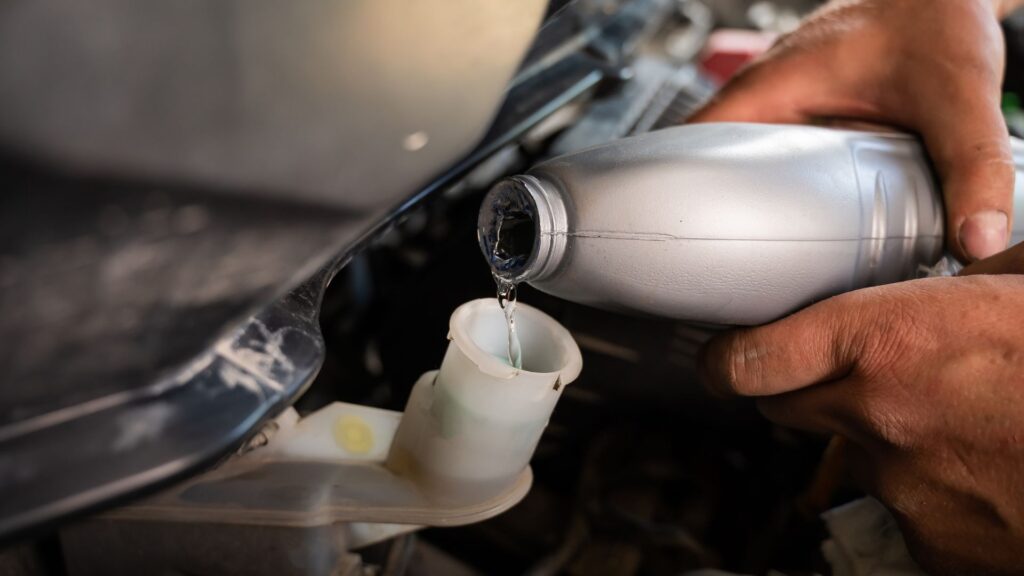
How Often To Change Brake Fluid: A Simple Guide For Safer Driving
Most drivers think about oil changes, tire rotations, and brake pads – but brake fluid? That one tends to fly under the radar. The truth is, knowing how often to change brake fluid could be one of the most important things you do for your vehicle’s safety.
Let us break it down in plain terms so you know exactly what to watch for and when to act.
What Brake Fluid Actually Does
Brake fluid is a hydraulic fluid that plays a critical role every time you press the brake pedal.
When you press the pedal, the fluid converts your foot’s force into pressure that travels through the brake line to engage your front and rear brakes – whether disc brake calipers or drum-style setups.
Without clean, functioning fluid, that hydraulic brake system simply cannot work as intended. It is what connects your intention to slow down with the actual mechanical action that stops your car.
Why Brake Fluid Needs to Be Changed Over Time
Here is something most people do not know: brake fluid is hygroscopic. That means it naturally absorbs moisture from the surrounding air over time – humidity, condensation, and everyday temperature changes all contribute.
As brake fluid absorbs water, two big problems develop. First, water in the fluid lowers the boiling point of the brake fluid, which means under hard braking or hot conditions, the fluid might actually boil. Boiling brake fluid becomes compressible, which quickly reduces braking performance. Second, water in the system can cause internal corrosion, damaging the master cylinder, caliper, and other system components.
This is why fluid should be changed on a regular schedule – not just when something feels wrong.
How Often Should You Change Brake Fluid?
The general recommendation from most experts is to change your brake fluid every two years, regardless of mileage. Some manufacturers extend that to every three years, and others may recommend a fluid change based on mileage alone.
Your owner’s manual is the best starting point for your specific vehicle. For example, Toyota recommends changing the brake fluid every 3 years under normal driving conditions. Always check your manufacturer’s recommendations because there is no single answer that fits every car.
A good rule of thumb: think of it the way you think about your oil change schedule. You set a reminder, and you stick to it – do the same for brake fluid.
Signs Your Brake Fluid Needs to Be Changed
Beyond following a maintenance schedule, there are real-world signs that your fluid needs attention. Watch out for these:
- Spongy or soft pedal feel – If it feels like the pedal goes further than usual before the brakes engage, that is a warning sign.
- Brakes feel less responsive – If you need to press the pedal harder than normal to slow down, degraded fluid could be the reason.
- Burning smell after braking – Overheated fluid during heavy braking can produce a noticeable odor.
- Low brake fluid – If your brake fluid is low in the reservoir, it may indicate a leak or that fluid has been consumed by worn brake pads.
- Dark or discolored fluid – Fresh brake fluid is light yellow. Dark, murky fluid is a clear sign it is time for a flush.
Do not wait until brake failure becomes a real risk. These warning signs exist for a reason.
Is Changing Brake Fluid Really Necessary?
This is a fair question, and the honest answer is yes – it really is necessary. Some people skip it for years and never notice a problem until they do. By then, the damage can cost several hundred dollars to repair, especially if corrosion has affected the brake line, bleeder valves, or caliper seals.
A brake fluid flush, on the other hand, is a relatively simple service that costs less than most people expect. It removes the old fluid from the reservoir and fluid lines, then replaces it with fresh fluid that restores your car’s full brake system performance. Preventing damage before it starts is always the smarter move.
How Technicians Test Brake Fluid
If you are unsure whether your fluid needs attention, a technician can test it quickly. There are two common methods.
A digital tester can measure the moisture content in the fluid and give you a reading on how much water is in the fluid. There are also test strips that check copper levels in the fluid – high copper levels indicate the fluid has broken down and is causing internal corrosion.
Both methods give a fast, reliable read on whether changing the brake fluid is something you need to do now or can wait on. Either way, it is a smart thing to request during any routine service visit.
What Happens During a Brake Fluid Flush
During a brake fluid flush, a technician drains the old hydraulic fluid from the entire system – including the master cylinder, fluid lines, and front and rear brakes. Fresh fluid is then pushed through the system, ensuring no old or contaminated fluid remains.
This process is different from simply topping off a low brake fluid level. A full flush every two years keeps the entire brake system in good shape and protects the vehicle’s components from moisture-related wear.
When to Talk to a Professional
If you are not sure when your brake fluid was last changed, that is reason enough to have it checked. A visual inspection of the brake fluid reservoir takes about 30 seconds, and a moisture test with a tester adds only a couple of minutes.
The need to change your brake fluid depends on your driving habits, your vehicle’s age, and the climate you drive in. A trusted mechanic can look at all of that and give you a straight answer.
Conclusion
Brake fluid is easy to forget, but it plays a direct role in keeping you safe every time you drive.
Changing the brake fluid every two years – or per your manufacturer’s schedule – is a small investment that protects your entire brake system. If you are due for a check or have not had a fluid change in a while, reach out to Newnum and Sons Garage in Covington, IN, at 765-793-3334. Their team will give you an honest assessment and a clear estimate before any work begins.