How Long Wheel Bearings Actually Last Before Failing
Most drivers never think about wheel bearings until something goes wrong. And by then, the damage is already done. So how long do wheel bearings last, and what should you actually expect from these often-overlooked components?
The honest answer is: it depends. But there is a general range, and understanding what affects that range can save you a lot of money and stress.
What a Wheel Bearing Actually Does
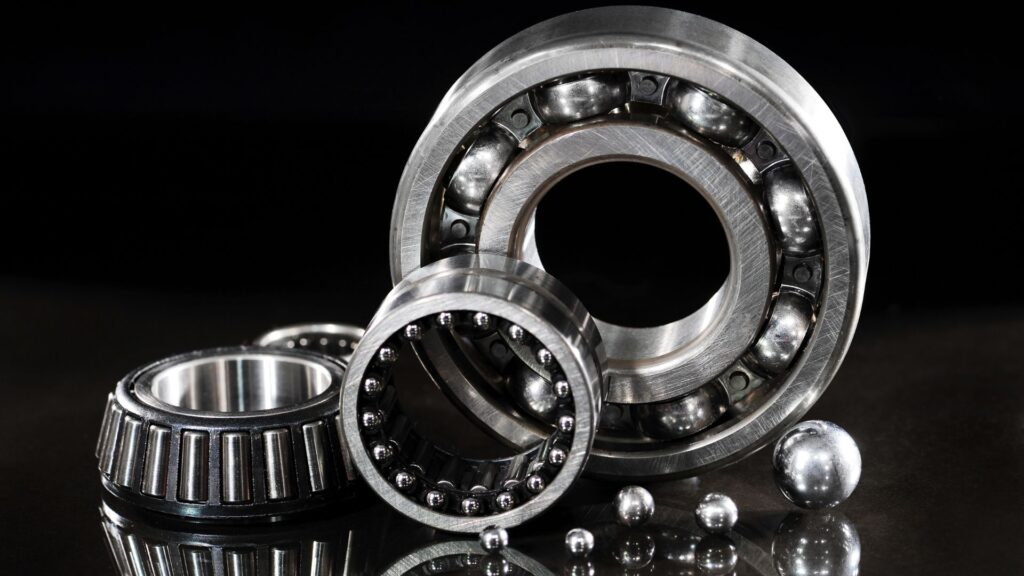
A wheel bearing is a set of steel balls or rollers held together inside a metal ring. Its job is to allow the wheel to spin freely on the axle with as little friction as possible. Without it, the wheel could not rotate smoothly, and every part connected to it – the brake rotor, the tire, the axle – would suffer.
Think of it like a gear inside a machine. When it works, everything runs quietly and efficiently. When it wears out, the whole system starts to break down.
The General Lifespan of a Wheel Bearing
Under normal driving conditions, most wheel bearings last somewhere between 85,000 and 100,000 miles. Some last longer. Some fail much sooner. A high-mileage driver might put about 1,000 miles on their vehicle each month, but real-world conditions vary widely.
Modern sealed hub bearings, like the kind found on many cars and light trucks, tend to last longer than older serviceable styles because they are pre-packed with grease and sealed against corrosion. That said, they cannot be repacked or adjusted. When they wear out, they get replaced.
What Affects How Long They Last
Several factors influence bearing lifespan beyond just mileage:
- Road surface quality – Constant driving on rough or damaged roads accelerates wear and tear significantly.
- Potholes – A hard hit from a pothole can damage a bearing immediately, regardless of age.
- Weight and load – Heavier vehicles put more stress on wheel bearings, which shortens their lifespan.
- Water and corrosion – Exposure to moisture and road salt causes corrosion that breaks down the bearing from the inside out.
- Driving speed – Consistently high speeds generate more heat, which degrades the grease inside the bearing faster.
- Previous repairs – Improper installation during a prior repair can cause premature failure, even on a brand-new bearing.
Car suspension components like control arms and tie rods work alongside suspension components, so if those are worn out, bearings will take on added stress they were not designed to handle.
Early Warning Signs That a Bearing Is Failing
Catching a failing bearing early makes a big difference. Ignoring the signs and symptoms can turn a straightforward repair into a much more complicated and expensive situation.
Unusual Noise Coming from a Wheel
The most common sign of a failing wheel bearing is a grinding or humming noise. This sound often comes from one corner of the vehicle and may change in pitch when you turn the steering wheel slightly to one side. That shift in noise is a classic diagnostic clue – it tells a mechanic which bearing is under stress.
Some drivers describe the noise as a growl or a constant hum that gets louder at higher speeds. It is easy to confuse with tire noise, which is why a proper inspection matters.
Vibration Through the Steering Wheel
A worn bearing can cause noticeable steering wheel vibration felt through the steering wheel or the floor of the vehicle. This is not the same as an alignment issue or an unbalanced tire, though those can feel similar. The vibration from a failing bearing tends to get worse as speed increases.
Uneven Tire Wear
If a bearing is failing and allowing the wheel to wobble slightly on the axle, it can cause uneven tire wear. The tire wears in ways that do not match normal patterns, and a tire inspection will often reveal the problem.
ABS Warning Light
Many modern vehicles have a wheel speed sensor built directly into the wheel bearing hub. When the bearing fails, it can disrupt that sensor signal and trigger the anti-lock braking system (ABS) warning light on the dash. If your ABS light comes on without an obvious reason, the bearing should be part of the diagnostic check.
Pulling During Braking
A bad bearing can affect how the disc brake caliper engages, which may cause the vehicle to pull to one side when braking. This can feel like a brake problem at first, but the bearing is sometimes the root cause.
How Driving Habits and Road Conditions Matter
Not every driver treats their vehicle the same way, and road conditions in different areas create different levels of stress on wheel bearings. Drivers who regularly hit rough roads, gravel paths, or experience hard impacts from potholes will likely see bearings fail earlier than drivers on smooth pavement.
Vehicles like Subarus and other all-wheel-drive cars put additional stress on all four wheel bearings because the drivetrain is constantly engaged. This can reduce bearing lifespan compared to a standard two-wheel-drive vehicle under the same conditions.
It is also worth mentioning constant-velocity joint wear here. The CV joint sits near the wheel bearing on the axle, and the two components affect each other. When one wears out, it often puts additional strain on the other.
What Happens If You Ignore a Failing Bearing
This is where things get serious. A bearing that is allowed to fail completely can seize up while the vehicle is in motion. The wheel can become unstable, steering control is compromised, and in severe cases, the wheel can actually separate from the vehicle.
Beyond the safety risk, ignoring the problem allows metal-on-metal grinding to damage surrounding components – the axle, the hub, even the brake rotor. What might have been a straightforward bearing replacement can turn into a much larger repair job.
A trained auto mechanic will catch this during a routine inspection before it reaches that point.
When to Have Your Bearings Inspected
If your vehicle has over 75,000 miles on it, or if you have noticed any of the warning signs described above, it is worth having your bearings checked. You do not need to wait for a grinding noise to appear before asking a mechanic to take a look.
Routine suspension service is a good time to have bearings evaluated. A visual inspection and a road test can tell a mechanic a lot about the condition of the bearing without any expensive diagnostics.
When Wheel Bearings Need Attention
Wheel bearings typically last 85,000 to 100,000 miles, but road conditions, driving habits, and vehicle type all play a role. Catching warning signs early – grinding noise, steering wheel vibration, or an ABS light – can prevent a minor repair from becoming a major one. If something feels off with how your vehicle handles or sounds, do not wait to get it looked at.
Schedule a suspension inspection with Newnum and Sons Garage in Covington, IN, or call us at 765-793-3334 to set up an appointment.