Understand Automotive Diagnostic Trouble Codes Before They Damage Your Engine
That little amber glow on your dashboard – the check engine light – is one of the most misunderstood signals in modern vehicle ownership. Some drivers ignore it for weeks. Others panic and assume the worst. The truth usually falls somewhere in the middle, and knowing what it actually means can save you a lot of money and stress.
What Is an Automotive Diagnostic Trouble Code?
An automotive diagnostic trouble code, or DTC, is a standardized alphanumeric code stored by your vehicle’s onboard computer when it detects something wrong. Think of it as your car’s way of filing a complaint report. The system behind this is called on-board diagnostics, commonly referred to as OBD-II, which became a federal requirement in the United States for all passenger vehicles manufactured after 1996.
When a sensor picks up a reading outside the normal range – whether that is related to the engine, transmission, exhaust gas levels, or fuel delivery – the computer logs a DTC and often triggers the check engine light. The code itself does not tell you exactly what part to replace. It tells you where to look.
How the OBD-II System Works
Your vehicle has dozens of sensors spread across the chassis, powertrain, ignition system, and emissions components. These sensors constantly communicate with the car’s central computer. SAE International, the organization responsible for setting automotive industry standards, developed the protocols that govern how these codes are structured and read – including SAE J1939, which is widely used for commercial and fleet management applications.
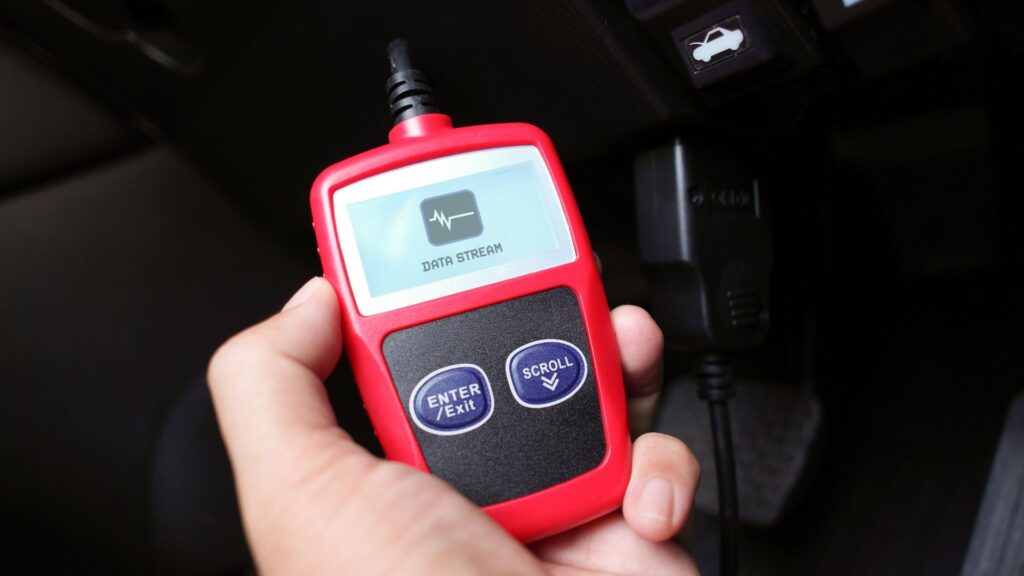
A scan tool connects to the OBD-II port, typically located under the dashboard on the driver’s side. The tool reads whatever codes the computer has stored. From there, a trained technician interprets those codes in context – checking live data, performing physical inspections, and ruling out secondary causes.
Common DTCs and What They Point To
Not all trouble codes are created equal. Some are urgent. Others are worth monitoring. Here is a breakdown of common code categories and what they typically signal:
- P0xxx codes relate to the powertrain, including the engine and transmission. These are the most common.
- B0xxx codes cover body systems like airbags or power windows.
- C0xxx codes involve the chassis, including suspension and brake control systems.
- U0xxx codes flag network communication issues between modules.
A P0300 code, for example, points to random engine misfires – which could stem from a worn spark plug, a failing ignition system component, or even a fuel delivery problem. A P0420 code often indicates a catalytic converter issue relevant to vehicle emissions control and emissions standard compliance.
Why You Should Not Ignore a DTC
Ignoring a stored code is a bit like ignoring a warning from a trusted friend. The problem does not disappear – it usually gets worse. A minor sensor fault left unresolved can cascade into engine knocking, transmission slippage, or even complete component failure.
Think about what happens when a fuel trim code goes unaddressed. The engine runs lean or rich for extended periods, which stresses the catalytic converter, fouls the spark plugs, and reduces fuel efficiency. What started as a small correction becomes an expensive repair.
DIY Code Reading Vs. Professional Diagnosis
Yes, you can buy a basic scan tool at a parts store and pull codes yourself. But reading a code and diagnosing the actual problem are two very different things. A code is a starting point, not a verdict.
Professional technicians use advanced diagnostic software and live data to understand what the code is actually telling them. They check freeze frame data, test related components, and look for patterns that a basic scan tool will never reveal. This is especially important when multiple codes appear at once or when a code keeps returning after being cleared.
What Happens During a Professional Diagnostic at Newnum and Sons Garage
At Newnum and Sons Garage in Covington, IN, diagnostics start with a full scan of your vehicle’s computer using professional-grade equipment. The technician reviews every stored and pending code, pulls live sensor data, and performs a visual inspection before recommending any repairs.
Every diagnosis comes with a clear, upfront explanation of what was found and what it means for your vehicle. No pressure. No guesswork. Just honest information so you can make the right call for your car.
Whether the code points to an engine issue, an exhaust system concern, or something in the electrical system, the team at Newnum and Sons has the training and tools to trace it back to the source.
FAQs About Automotive Diagnostic Trouble Codes
Can I drive with the check engine light on?
It depends on the code. If the light is flashing, that signals an active misfire and you should stop driving and get it checked immediately. If the light is steady and the car drives normally, it is usually safe to drive briefly.
Will clearing the code fix the problem?
No. Clearing a DTC removes the stored code from the computer, but the underlying issue remains. The light will come back on if the problem persists.
How much does a diagnostic inspection cost?
Diagnostic fees vary depending on the depth of testing required. Newnum and Sons Garage provides transparent estimates before any work begins, so you always know what to expect.
What Your Automotive Diagnostic Trouble Code Is Telling You
A diagnostic trouble code is your vehicle’s built-in early warning system – use it. Catching a small fault early can prevent serious engine damage, costly repairs, and unexpected breakdowns.
If your check engine light is on or you have concerns about how your vehicle is running, schedule an engine repair inspection with Newnum and Sons Garage in Covington, IN. You can reach the team directly at 765-793-3334 to get answers fast.