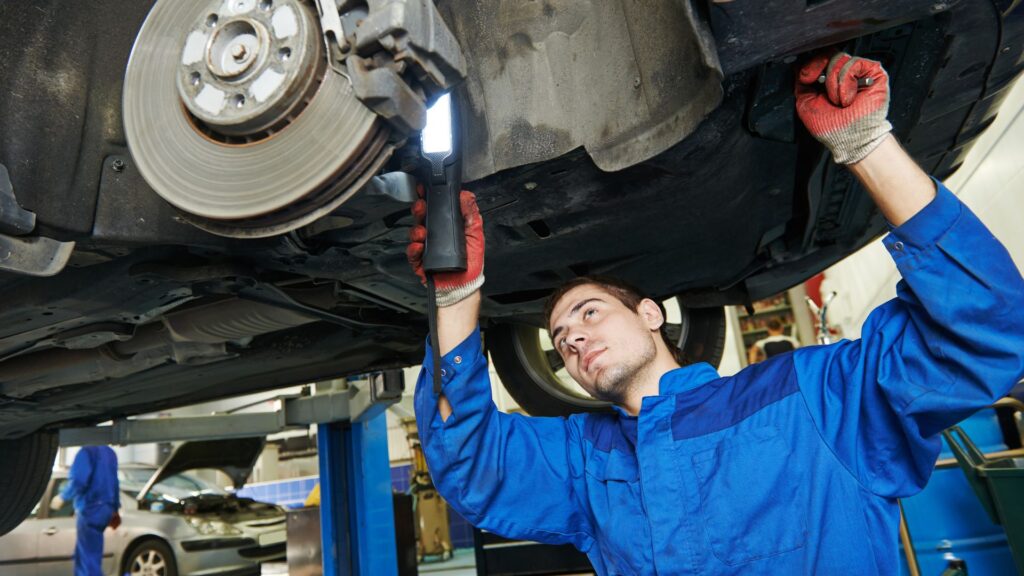
The Real Reason for Brakes Squeaking
That squealing sound coming from your wheels the moment you press the brake pedal is hard to ignore. It’s sharp, embarrassing at a red light, and just unsettling enough to make you wonder if something serious is about to go wrong. The good news is that your car is actually doing its job by warning you. The not-so-good news is that the warning usually means your brake pads are due for attention.
Understanding why brakes squeak – and what that sound is actually telling you – can save you money, keep you safer on the road, and help you make smarter decisions about your vehicle’s maintenance.
What Is That Squeaking Sound, Really?
The noise you’re hearing isn’t random. Most modern brake systems are designed with a small metal wear indicator tab built directly into the brake pad. When the pad material wears down to a certain point, that metal tab makes contact with the brake rotor – the large disc that the pad clamps against to slow your car. The friction between the metal tab and the spinning rotor creates that distinctive high-pitched squeal.
Think of it as a built-in alarm system. The mechanics who engineered modern disc brake systems didn’t want drivers to be caught off guard. That sound is intentional, and it’s telling you one clear thing: it’s time for an inspection.
The Main Culprit – Worn Brake Pads
Brake pads are the workhorse of your braking system. Every time you slow down, the pad presses against the rotor and converts your vehicle’s kinetic energy into heat through friction. Over time, the pad material – typically a composite of metal fibers, rubber, and other compounds – gradually wears down.
New brake pads typically start with about 10 to 12 millimeters of usable material. Most technicians recommend replacing them when they wear down to around 3 to 4 millimeters. By the time that metal wear indicator is screaming at you, you’re probably already close to or at that threshold.
Ignoring the sound doesn’t make it cheaper. If worn pads go unreplaced, the metal backing plate eventually contacts the rotor directly, causing deep scoring, vibration through the pedal, and significantly higher repair costs.
Other Reasons Your Brakes Might Squeak
Worn pads are the most common reason, but they’re not the only one. A few other causes are worth knowing.
Morning Squeaks After Rain or Cold Weather
Moisture and weather play a bigger role than most drivers realize. Overnight, a thin layer of rust can form on your brake rotors – especially if your car sits outside. When you first drive in the morning, that rust gets scraped off by the brake pads, creating a brief squeaking or grinding sound. This is normal and usually clears up within the first few stops.
Dust and Debris Between the Pad and Rotor
Dirt, road debris, and dust can get trapped between the pad and the rotor surface. When this happens, the contact isn’t clean and smooth, and the result is noise. This kind of squeak tends to come and go depending on your road conditions and is often harmless – but it’s still worth having checked if it persists.
Low-Quality or Glazed Brake Pads
Not all brake pads are made equally. Budget-quality pads sometimes contain higher metal content, which makes them naturally noisier. Glazed pads – pads that have been overheated and hardened on the surface – can also produce a squealing sound even when there’s still material left. Glazed pads usually need to be replaced, although proper lubrication of the brake hardware can sometimes help.
Issues with Drum Brakes
If your vehicle still has drum brakes on the rear axle, the squeak may originate there. Drum brake systems work differently than disc brakes – they use brake shoes pressed outward against the inside of a drum. Dust and debris buildup inside the drum, or worn brake shoes, can both produce squeaking. Drum brakes are less common on modern cars but still appear on many trucks and older vehicles.
When Squeaking Becomes Something More Serious
There’s a meaningful difference between a squeak and a grind. Squeaking is a warning. Grinding usually means the warning has been ignored long enough that metal is now contacting metal without any pad material in between.
If you’re noticing vibration through the brake pedal, pulling to one side when you stop, or a grinding sensation, the situation has moved past a simple pad replacement. At that stage, rotor damage is likely, and the repair scope – and cost – grows considerably.
A drop in brake fluid level can also accompany worn pads. As pads wear down, the caliper pistons extend further, and the brake fluid reservoir compensates by lowering. If your fluid is consistently low, that’s another signal pointing to wear and tear that needs professional attention.
What a Proper Brake Inspection Actually Covers
A thorough brake inspection goes beyond just glancing at the pads. A skilled technician will check the thickness of the brake pads and shoes, inspect the rotors for scoring or uneven wear, examine the calipers and hardware for proper function, check lubrication points on the brake assembly, look for any fluid leaks around the wheel cylinders or calipers, and evaluate the condition of the brake fluid itself.
Proactive inspection during routine service visits, like oil changes, is a simple way to catch wear early before the metal-on-metal stage.
How Long Do Brake Pads Actually Last?
There’s no single answer because driving habits vary so much. City driving with frequent stops wears pads faster than highway driving. Aggressive braking, carrying heavy loads, and road trip driving with long downhill stretches all accelerate wear.
As a general guideline, most brake pads last somewhere between 25,000 and 65,000 miles. That’s a wide range, but the point is that mileage alone isn’t the only factor. Annual inspections are a smarter way to track pad life than relying on mileage estimates.
If you hear that squeak and you’ve been putting off a service visit, it’s the right moment to stop guessing and get eyes on the situation.
Can You Drive with Squeaking Brakes?
Technically, yes – but it’s not advisable for long. If the squeak is coming from moisture-related rust after a rainy night, you’re fine. If it’s a consistent squeal every time you apply the brake pedal, your pads are telling you their time is up.
Driving on worn pads increases stopping distances, puts stress on the rotors, and eventually creates a safety risk that no driver should accept. The brakes are the most critical control on your vehicle. Treating that warning sound as optional feedback is how a $150 pad replacement turns into a $500 rotor job.
Don’t Ignore the Reason for Brakes Squeaking
That squeaking sound isn’t something to put off or explain away. In most cases, it’s a direct signal that your brake pads have worn down and your braking system needs attention. Catching it early keeps repair costs low and your vehicle safe. If you’re hearing noise from your wheels in Covington, IN, the team at Newnum and Sons Garage can help. Schedule a brake inspection by calling 765-793-3334 – don’t let a small squeak turn into a much bigger problem.