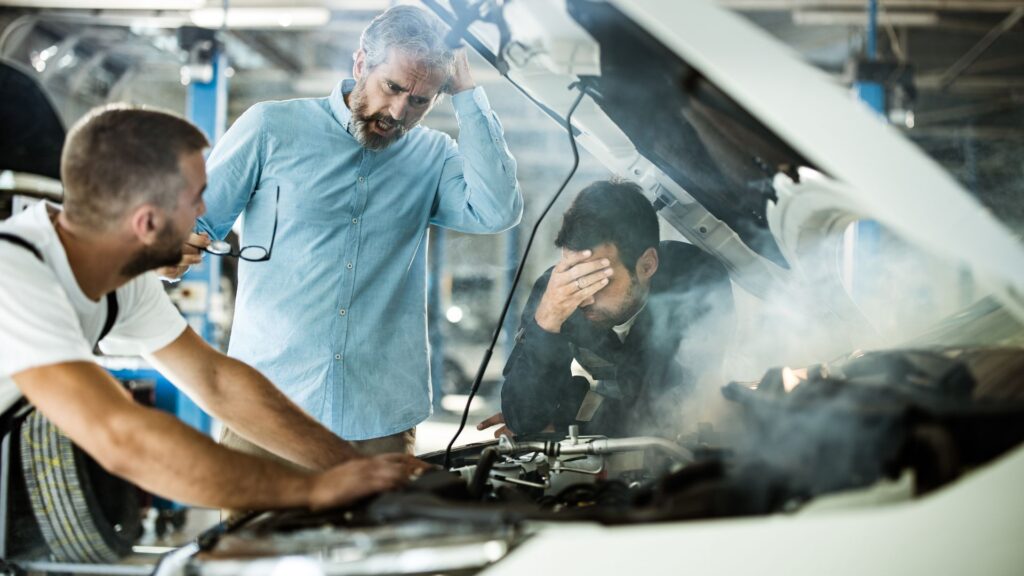
What Causes a Transmission to Overheat
Your car’s transmission is one of the hardest-working mechanical devices under the hood. It manages the power your engine produces and transfers it to the wheels, shifting gears thousands of times over the life of the vehicle. When something goes wrong with it, you feel it immediately – and overheating is one of the most damaging things that can happen.
So what causes a transmission to overheat? The short answer is: low fluid, most of the time. But there’s more to it than that, and understanding the full picture can save you from a very expensive repair.
The Role of Transmission Fluid (ATF)
Automatic transmission fluid, or ATF, does more than most people realize. It’s not just a lubricant – it’s also a hydraulic fluid that powers the internal components of your automatic transmission. It reduces friction between moving parts, carries heat away from critical areas, and keeps everything running smoothly.
When ATF levels drop or when the fluid breaks down from age and heat exposure, the transmission loses its ability to manage temperature. Components that should be cushioned and cooled are suddenly running hot and dry. That’s when hyperthermia – the technical term for overheating – sets in and damage begins to accumulate fast.
Low Fluid: The Most Common Culprit
Why Fluid Gets Low in the First Place
Unlike motor oil, transmission fluid in a properly functioning vehicle doesn’t burn off or get consumed. If your fluid level is low, that’s almost always a sign of a leak somewhere in the system.
Common sources of transmission fluid leaks include worn seals, a cracked pan, a failing solenoid, or a damaged transmission line. A slow leak might not seem like a big deal at first, but even a small drop in fluid level can cause temperature to spike during driving – especially under heavy load or stop-and-go conditions.
What Happens When the Fluid Is Too Low
Think of it this way: ATF is the lifeblood of your transmission. When it’s low, there’s less fluid to absorb and dissipate heat. Friction builds up between internal parts, temperatures climb, and the fluid that is left begins to break down even faster under that elevated heat.
Operating an automatic transmission with low or degraded fluid is one of the fastest ways to cause serious internal failure. Components like clutch packs and bands start to wear prematurely, and what started as a fluid leak can turn into a full rebuild job.
Other Causes of Transmission Overheating
While low fluid is the leading cause, it’s not the only one. A few other factors can push your transmission temperature into dangerous territory.
- Towing or hauling heavy loads puts enormous strain on your transmission. The engine works harder, the transmission shifts more aggressively, and heat builds up faster than normal driving conditions would create.
- Driving in extreme heat compounds the problem. Your vehicle’s cooling system handles both the engine and, in many cars, the transmission. If the radiator system is struggling, the transmission cooler built into it struggles too.
- A failing transmission cooler is another culprit. Many vehicles – including popular models like the Honda Odyssey – rely on a cooler integrated into the radiator to keep ATF temperatures in check. When that cooler malfunctions or gets clogged, heat has nowhere to go.
- Old, degraded fluid behaves more like sludge than a proper lubricant. Even if the level looks fine on the dipstick, fluid that has darkened and lost its viscosity can’t do its job effectively.
Warning Signs Your Transmission Is Running Hot
Your vehicle will usually try to tell you something is wrong before a full failure occurs. Pay attention to these signals:
- A burning smell, especially after highway driving or climbing hills
- Sluggish or delayed gear shifts
- The transmission warning light appearing on your dashboard
- Visible fluid leaks under the vehicle (ATF is usually reddish or brownish)
- The vehicle slipping out of gear unexpectedly
If you notice any of these, don’t ignore them. Heat damage to a transmission compounds quickly – what’s a minor repair today can become a major one within a few hundred miles.
What You Can Do to Prevent It
Routine maintenance is your best defense. Having your transmission fluid checked regularly, watching for signs of leaks, and staying on top of your vehicle’s service schedule goes a long way toward preventing overheating.
If you’re in Covington, IN, and you’re not sure when your transmission fluid was last serviced, that’s a great place to start. Fresh, clean ATF at the right level keeps friction down and temperature in check. It’s one of the simplest things you can do to protect a system that costs thousands of dollars to replace.
How to Keep Your Transmission from Overheating
Transmission overheating is serious, but it’s also largely preventable. Low ATF is the most common trigger, often caused by a slow leak that goes unnoticed until the damage is done. Staying ahead of it means checking your fluid, catching leaks early, and keeping up with scheduled maintenance.
If your transmission is showing any warning signs, don’t wait. Schedule a transmission inspection with Newnum and Sons Garage at 765-793-3334 and let their team figure out what’s going on before it gets worse.