TPMS Light Blinked Then Went Solid: What Changed
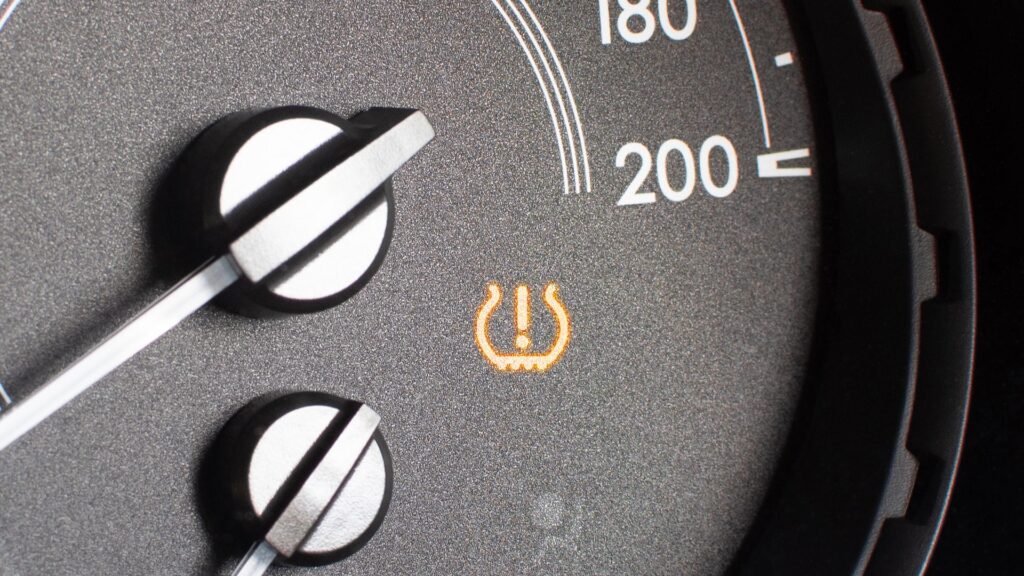
You’re driving along and notice that small orange light on your dashboard – the one that looks like a cross-section of a tire with an exclamation point in the middle. At first, it flashes. Then it stops blinking and stays on. What just happened? And does the change from blinking to solid actually mean something different?
The short answer is yes, it does mean something different. And understanding that difference could save you from a flat tire, a rough ride, or unnecessary guesswork at the gas station.
What Is the TPMS Light, and Why Does It Exist?
TPMS stands for Tire Pressure Monitoring System. It’s a federally mandated safety feature that has been required on all new passenger vehicles sold in the United States since 2008. Its job is simple: keep you informed about the air pressure in your tires so you don’t end up driving on dangerously underinflated rubber.
Most vehicles use what’s called a direct TPMS system. Each wheel has a small sensor inside that communicates wirelessly with your vehicle’s onboard computer. When pressure in any tire drops below a threshold – typically 25% below the manufacturer’s recommended level – the system triggers the warning light on your dashboard.
So when that light comes on, your vehicle isn’t guessing. It’s reporting.
What It Means When the TPMS Light Blinks
When the TPMS light blinks or flashes, especially when you first start the car, that’s not a tire pressure warning in the traditional sense. That’s a system fault signal.
Blinking usually means the TPMS system itself has detected a problem – not necessarily with your tire pressure, but with the monitoring equipment. This could be caused by a few different things.
One of the most common culprits is a dead or failing sensor battery. The sensors inside your wheels run on small batteries, and those batteries typically last around five to ten years. When one starts to fail, the sensor can’t communicate properly with the vehicle’s computer, and the system responds by flashing the warning light.
Other causes of a flashing TPMS light include:
- A sensor that was damaged during a tire change or rotation
- Interference from aftermarket wheels that weren’t compatible with the original sensors
- A software or communication glitch in the TPMS module
- A sensor that was lost or not reinstalled after new tires were mounted
If you recently had tires rotated, replaced, or serviced and then noticed the light blinking shortly after, there’s a good chance the sensors weren’t properly reset or reinstalled. This is a surprisingly common oversight at shops that don’t specialize in tire systems.
What It Means When the TPMS Light Goes Solid
A solid, steady TPMS light has a more straightforward message: one or more of your tires is low on air right now.
This is the system doing exactly what it was designed to do. The sensors are working, communication between the sensor and computer is intact, and the alert you’re seeing is a real pressure reading that has crossed below the safe threshold.
The transition from blinking to solid often happens in one of two ways.
Scenario one: The blinking was indicating a system fault, and then something changed – maybe the vehicle warmed up, the sensor reconnected, or the issue resolved temporarily. Once the system came back online and detected low pressure in a tire, it switched from a fault signal to a pressure warning.
Scenario two: The light was initially solid, you added air, and the pressure later dropped again. The system then turned the warning back on to indicate that the tire was low.
Either way, a solid TPMS light means you should check your tire pressure as soon as it’s safe to do so.
Why the Blinking-to-Solid Transition Happens
This is the part that trips most drivers up. The sequence – blink, then solid – can feel confusing, but it actually tells a story.
When the system boots up and can’t communicate with one of the sensors, it flashes to say “I’m having trouble getting information.” Once communication is re-established (even partially), and the system detects that a tire’s pressure is genuinely low, it switches to the steady light.
Think of it like your phone trying to connect to a network. While it’s searching, it shows one symbol. Once it locks onto a signal and processes what it finds, it shows you something else entirely.
The blinking phase is the diagnostic mode. The solid phase is the confirmed alert.
Can Temperature Changes Cause This?
Yes, and this catches a lot of drivers off guard – especially heading into colder months.
Tire pressure is directly affected by temperature. For every 10 degrees Fahrenheit the air temperature drops, your tires lose roughly one PSI of pressure. That might not sound like much, but on a cold morning after overnight temperatures fell significantly, your tires could lose two to four PSI without a single nail in sight.
What sometimes happens is this: on a cold morning, the sensors detect low pressure and the light comes on solid. As you drive and the tires warm up, pressure increases slightly and the light may turn off on its own. But if temperatures continue to fluctuate, the light comes back.
This back-and-forth can cause drivers to assume the system is malfunctioning when in reality, the tires are genuinely borderline and the cold is just exposing the problem consistently.
If this pattern is happening to you, the fix isn’t to wait it out. The fix is to check your tire pressure with a manual gauge and add air to meet the manufacturer’s specification, which is listed on a sticker inside your driver’s door jamb.
Should You Keep Driving With the TPMS Light On?
It depends on whether the light is blinking or solid, and what your tire pressure actually is.
If the light is solid and you haven’t checked your tires yet, don’t put it off. Driving on significantly underinflated tires generates excess heat, accelerates tread wear unevenly, and reduces your ability to handle the vehicle safely. In severe cases, it can lead to a blowout.
If the light is blinking and you suspect a sensor issue rather than a pressure issue, you still shouldn’t ignore it. A malfunctioning TPMS means you’ve lost your early warning system. You’re now driving without the safety net the system was designed to provide.
In either case, get the tires checked – whether that’s with a gauge at a gas station or a proper inspection at a shop you trust.
Common Reasons Your TPMS System Needs Professional Attention
There are situations where checking the pressure yourself doesn’t resolve the alert, and the light stays on no matter what you do. Here’s when a technician needs to get involved.
- The light stays on even after tires are properly inflated. This often means the system needs to be reset, or a sensor isn’t communicating with the module. Some vehicles require a special tool to re-sync the sensors after pressure adjustments.
- The light came on after new tires or a rotation. New tires require the TPMS sensors to be reinstalled correctly and reprogrammed to the vehicle. If a shop didn’t do this step properly, the system won’t recognize the sensors correctly.
- A sensor battery has died. Sensor batteries can’t be replaced individually in most systems – the entire sensor unit needs to be replaced. This is a straightforward job for a shop equipped to handle it.
- The sensors are physically damaged. Sensors can crack or corrode over time, especially on vehicles driven in rough conditions. A cracked sensor housing can cause intermittent communication issues that show up as that blinking-then-solid pattern you might be experiencing.
What Happens During a Tire Inspection at a Shop
When you bring a vehicle in for a TPMS concern, a good technician doesn’t just glance at the tires and call it done. A proper tire inspection involves checking the pressure in all four tires (and the spare if equipped), visually inspecting each tire for uneven wear, cracking, bulging, or embedded objects, and using a TPMS diagnostic tool to read the status of each individual sensor.
That last step is important. The diagnostic tool can tell the technician which sensor is reporting a fault, what its battery level is, and whether it’s communicating correctly with the vehicle’s computer. Without that tool, you’re guessing.
At Newnum and Sons Garage, tire inspections are part of a broader commitment to making sure vehicles leave the shop safe and road-ready. If you’re dealing with a TPMS light that won’t quit, a trained technician can pinpoint exactly what’s going on and walk you through the options before any work begins.
TPMS and Wheel Alignment: Is There a Connection?
Not directly, but they’re worth mentioning in the same conversation. Underinflated tires can affect how your vehicle handles, which in turn can accelerate uneven wear and put added stress on suspension components. If you’ve been driving on low tires for a while, it’s worth having your wheel alignment checked as well.
Proper alignment ensures your tires wear evenly and your vehicle tracks straight. If your tires have been significantly underinflated for an extended period, alignment may have been affected. You can learn more about what’s involved in keeping your tires and wheels properly set up by checking out the wheel alignment service page.
Frequently Asked Questions About TPMS Lights
Is it safe to drive with a solid TPMS light?
Not without first checking your tire pressure. A solid light means at least one tire is below the safe threshold. How long you can safely drive depends on how low the pressure is. Check it as soon as possible.
Why did my TPMS light turn off by itself?
This usually happens when tire pressure increased due to warmer temperatures as you drove. The system may have registered the pressure back above the alert threshold. However, if the underlying pressure is borderline, the light will likely return. It’s better to add air and confirm than to rely on the light staying off.
Can I reset the TPMS light myself?
Some vehicles allow a manual reset through the instrument panel settings, but this only clears the alert – it doesn’t fix the underlying issue. If a tire is still low or a sensor is faulty, the light will come back. A proper reset typically requires inflating the tires to the correct pressure first.
How often should TPMS sensors be replaced?
There’s no hard rule, but most sensors have a battery life of five to ten years. If your vehicle is approaching that range and you’re experiencing sensor faults, it’s worth discussing replacement with a technician.
Does TPMS replace checking tire pressure manually?
No. TPMS is a warning system, not a substitute for regular checks. The alert only triggers when pressure is already significantly low. Routine pressure checks with a gauge help you catch smaller drops before they become a safety concern.
What to Do When Your TPMS Light Blinks Then Turns Solid
A TPMS light that blinks and then goes solid is telling you two different things in sequence – first that the system had trouble communicating, then that it found something worth warning you about. Neither message should be ignored. If you’re in Covington, IN and your TPMS light isn’t behaving the way it should, schedule a tire inspection with the team at Newnum and Sons Garage.
A quick check by a trained technician can confirm whether it’s a sensor issue, a pressure problem, or something else entirely – and you’ll know exactly what needs to be done before any work starts. Call 765-793-3334 to set up a time.