10 Common Check Engine Light Causes You Shouldn’t Ignore
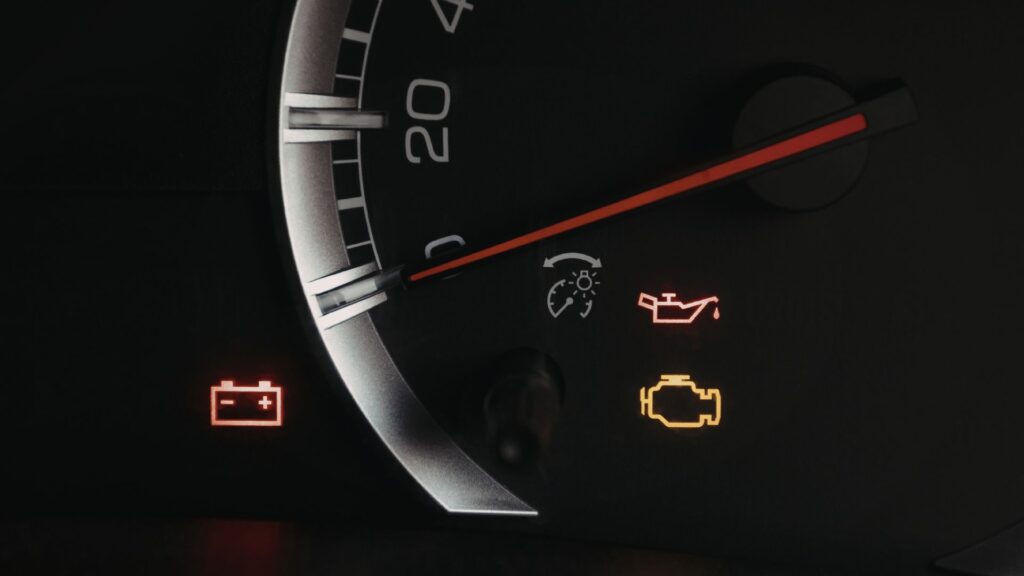
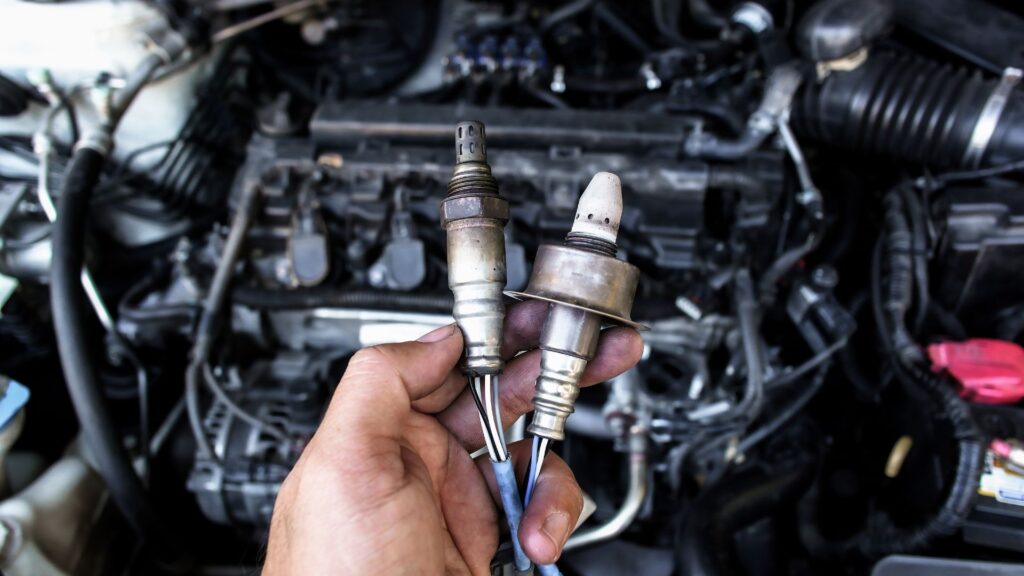
10 Common Check Engine Light Causes You Shouldn’t Ignore That orange light on your dashboard can make your stomach drop. Is it serious? Can you keep driving? Should you pull over right now? The check engine light is one of the most misunderstood warning signals in any vehicle, and ignoring it is rarely a good idea. The truth is, the check engine light may indicate something as simple as a loose gas cap or something far more serious hiding under the hood. Either way, your car is trying to tell you something. This guide breaks down the 10 most common reasons your check engine light turns on, so you know exactly what you might be dealing with. What Does the Check Engine Light Mean? Your vehicle uses an onboard diagnostics system to monitor dozens of engine and emission control components. When one of those components sends a signal outside its normal range, the computer triggers the check engine light on your dashboard. Sometimes the check engine light comes on steadily. Other times, it may flash. A flashing check engine light is a signal that something more urgent is happening, usually a misfire that could cause engine damage if left unaddressed. If the light is flashing while the car is driving, it is best to reduce speed and get to a shop as soon as possible. Not sure why your check engine light comes on and off intermittently? That pattern often points to an issue that is developing but not yet constant. You can read more about why your check engine light comes on and off to better understand what that behavior means. 10 Common Causes of the Check Engine Light Loose or Damaged Gas Cap One of the most common reasons the check engine light turns on is surprisingly simple: a loose gas cap. The gas cap seals the fuel tank and keeps fuel vapors from escaping into the atmosphere. When it is loose, cracked, or missing, the emission control system detects a pressure drop and triggers the light. Tightening the gas cap is the first thing to check when the light comes on. If the light does not go away after a day or two of driving, the cap itself may be faulty and need replacing. A new gas cap is one of the cheapest fixes you will find. Failing Catalytic Converter The catalytic converter is part of your exhaust system and is responsible for converting harmful gases like carbon monoxide into less harmful emissions before they exit through the exhaust pipe. When it starts to fail, your car may experience poor engine performance, reduced fuel efficiency, and a noticeably worse smell from the exhaust. A failing catalytic converter is not a minor issue; it can cause serious long-term damage if ignored. Most catalytic converter failures are caused by underlying problems like faulty spark plugs or a bad oxygen sensor, so getting a full diagnosis matters. Faulty Oxygen Sensor The oxygen sensor monitors how much unburned oxygen is in your exhaust gas and helps the engine computer balance the air-fuel ratio. A faulty oxygen sensor can lead to reduced fuel efficiency, increased emissions, and engine performance problems over time. Most vehicles have two or more oxygen sensors. If one fails, the check engine light will turn on and store an error code. Replacing a bad oxygen sensor promptly helps protect other components like the catalytic converter from early wear. Faulty Spark Plugs or Ignition Coils Faulty spark plugs are a surprisingly common cause of the check engine light turning on. Spark plugs ignite the fuel mixture inside the combustion chamber, and when they wear out or fail, you may notice a misfire, rough idle, or sluggish acceleration. The check engine light may flash during a misfire to alert you that internal engine stress is occurring. Ignition coils work alongside the spark plugs as part of the ignition system. A bad ignition coil can cause the same symptoms. Replacing spark plugs on schedule is one of the simplest ways to avoid unexpected engine repairs. If you are noticing any of these symptoms, check out the common signs your car needs a tune-up for a broader look at what your vehicle might need. Mass Airflow Sensor Failure The mass airflow sensor measures how much air enters the engine so the computer can deliver the right amount of fuel. When the mass airflow sensor malfunctions, the engine may run too rich or too lean, leading to the check engine light coming on along with poor engine performance and reduced fuel economy. Dirt and debris are the most common causes of mass airflow sensor failure. Replacing the air filter on schedule helps extend the life of this sensor and keeps airflow clean and accurate. Vacuum Leak Your engine relies on a network of hoses to manage pressure and airflow throughout the fuel system and intake. A vacuum leak happens when one of those hoses cracks, disconnects, or deteriorates. When unmetered air enters the engine through a leak, it throws off the air-fuel ratio and can trigger the check engine light. Symptoms of a vacuum leak include a rough idle, hissing sounds from the engine bay, and erratic RPMs. Diagnosing a vacuum leak can be tricky since the hoses are often tucked out of sight, which is why professional diagnostic tools make a real difference here. Exhaust Gas Recirculation Valve Malfunction The exhaust gas recirculation (EGR) valve reduces harmful emission levels by routing a portion of exhaust gas back into the intake manifold. When this valve gets clogged or fails, it can cause engine knocking, rough idling, and increased emissions, all of which can trigger the check engine light. EGR valve issues often require cleaning or replacement. Ignoring this malfunction can negatively affect fuel efficiency and cause the vehicle to fail an emissions inspection. Dead or Weak Battery A weak or failing battery can cause various issues that set off the check engine light. The vehicle’s computer and sensor systems depend on a
10 Common Check Engine Light Causes You Shouldn’t Ignore Read More »