7 Car Heater Problems: Why Your Cabin Won't Warm Up and How to Fix It
Climbing into your car on a freezing morning only to get nothing but cold air from the vents is one of the most frustrating things a driver can deal with. A functioning car heater isn’t just about comfort – it’s also essential for defrosting windows and staying safe on the road. When heat isn’t working, it pays to understand why before assuming the worst.
The good news is that many car heater problems have simple explanations. This guide breaks down the most common causes of car heater failure and what you can do about each one.
How Your Car’s Heating System Actually Works
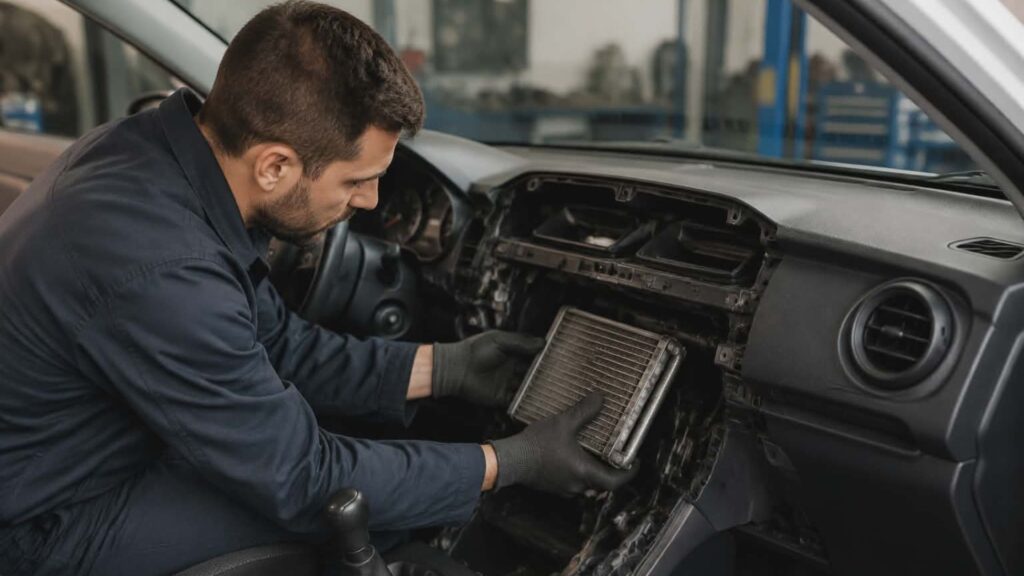
Before diving into what goes wrong, it helps to understand what goes right. Your car’s heating system relies on hot coolant that circulates from the engine through a small radiator-like component called the heater core. A blower motor – essentially a centrifugal fan – pushes air through the heater core, and that warmed air flows into the cabin through your vents.
Think of it this way: the heater core is like a miniature furnace tucked behind your dashboard.
When everything works together – the coolant, the pump, the blower, the thermostat, and the valves – you get reliable warm air. When any one of those parts fails, the whole system is affected.
Common Causes of Car Heater Failure
Low Coolant Level
One of the most common reasons your car heater stops working is a low coolant level. Coolant won’t reach the heater core in sufficient volume if there isn’t enough fluid in the system, meaning the heater core has nothing to transfer heat from. The result is lukewarm or cold air even when you turn on the heater.
Check your coolant by locating the coolant reservoir under the hood – it’s usually a translucent plastic tank with min/max markings. If it’s low, top it off with the correct coolant type for your vehicle. Note: If your coolant level regularly drops, it usually indicates a leak in the system that should be diagnosed and repaired.
A Clogged Heater Core
Over time, rust, corrosion, and debris can build up inside the heater core, restricting coolant flow through the heater and reducing its ability to produce heat. A clogged heater core is a common issue in older vehicles or those that haven’t had regular coolant flushes.
Signs of a clogged heater core include weak or inconsistent heat, even when the engine is fully warmed up. In some cases, a flush can clear the blockage. In more difficult situations, heater core replacement may be necessary.
A Leaking Heater Core
A leaking heater core creates a different set of symptoms. If the heater core is leaking, coolant can seep into the cabin, and you might notice a sweet smell inside the car or foggy windows that don’t clear with the defogger. You may also notice your coolant level dropping without any visible puddle under the vehicle.
A sweet smell in the car, combined with a heating problem, is a strong signal that the heater core needs attention. This is worth addressing quickly, since leaking coolant can also cause the engine to overheat if left unchecked. If you have noticed a coolant smell when the heater is on, that’s a symptom you should not ignore.
Air Pockets in the Cooling System
Air pockets can form inside the cooling system after a coolant flush, a repair, or if the system loses pressure. Air pockets in the cooling system prevent hot coolant from flowing freely to the heater core, which can leave you with a car heater blowing cold air even though the coolant level looks fine.
Bleeding the cooling system – removing those trapped air pockets – often resolves this heater problem. It’s a straightforward procedure but one that’s easy to get wrong without the right tools and experience.
A Faulty Thermostat
The thermostat regulates when coolant circulates from the engine to the radiator. If it’s stuck open, coolant circulates too early, and the engine never fully reaches its operating temperature.
When that happens, the heater relies on hot coolant that simply isn’t hot enough, and you’ll feel lukewarm or cold air from the vents.
A stuck thermostat is a common cause of both poor heater performance and an engine that seems to run cool. Replacing a faulty thermostat is typically a straightforward repair and can make a significant difference.
Blower Motor or Electrical Issues
If the heater isn’t producing airflow – for example, no air comes from the vents even when the fan is on – the problem may be electrical rather than with the coolant system. The blower motor, a fuse, a resistor, or electrical wiring could be to blame. If the blower motor isn’t working, air simply doesn’t get pushed through the system, regardless of how hot the coolant gets.
A blown fuse is one of the easiest fixes possible. But if it’s a failed resistor, actuator, or short circuit, the repair requires more careful diagnosis.
Heater Control Valve Problems
The heater control valve regulates coolant flow to the heater core. If this valve sticks or fails, it can either prevent flow to the heater core entirely or cause the system to blow a mix of hot and cold air at random. This is a less obvious cause of heater issues, but it’s worth checking if other components look fine.
When to Call a Professional
Some car heater issues are simple – a low coolant level or a blown fuse. Others, like a clogged heater core, a leaking heater core, or a failed blower motor, require professional tools and expertise to fix properly. If your car heater isn’t working and the basic checks haven’t helped, it’s time to bring it in.
At Newnum and Sons Garage in Covington, IN, the team offers complete vehicle heating and cooling system services to diagnose and repair whatever is keeping your cabin from warming up. Whether it’s a quick coolant top-off or a full heater core replacement, every job starts with a clear, honest estimate. The technicians also handle professional engine repair services if overheating or a head gasket issue is connected to your heating problem.
Staying ahead of these issues is easier with routine preventative maintenance services, which help catch small problems before they turn into bigger, costlier ones. For a broader look at what can go wrong with your vehicle, explore the most common car repairs and fixes.
Conclusion
A car heater that stops working is more than an inconvenience – it can affect visibility, safety, and how well your vehicle runs. Common causes include low coolant, a clogged or leaking heater core, air pockets, a bad thermostat, or electrical faults. Many of these are fixable without major expense when caught early.
If your heat isn’t working and you’re not sure where to start, contact Newnum and Sons Garage at 765-793-3334 to get your heater working again before winter gets worse.