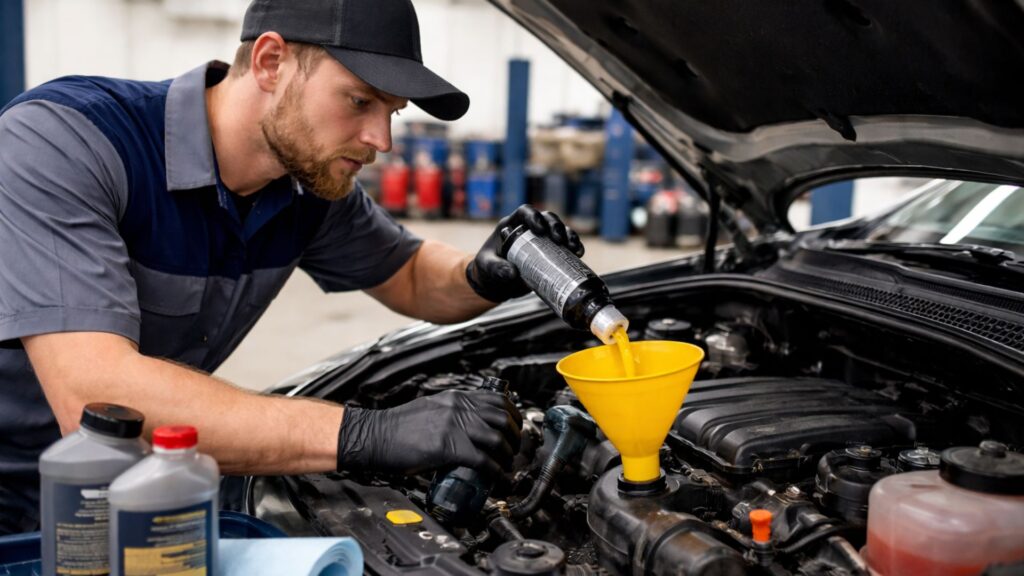
How To Prevent Oil Leaks and Protect Your Engine for the Long Haul
You pull out of your driveway and notice a dark stain where your car was parked. That spot on the ground might seem minor, but it could be a sign of something your engine cannot afford to ignore. Oil leaks are one of the most common causes of serious engine problems, and catching them early makes all the difference.
Why Engine Oil Leaks Are Such a Big Deal
Engine oil is what keeps metal parts from grinding against each other. Without proper lubrication, parts of the engine wear down fast, heat builds up, and you are suddenly looking at major repairs instead of a simple fix.
Even a small leak left unchecked can lead to low oil levels, which puts your vehicle’s engine under serious stress. Low oil levels reduce oil pressure and compromise the lubrication that every moving part depends on. That is how a tiny drip turns into a blown gasket or worse.
If you are already seeing signs of trouble, understanding what it means if your car is leaking oil is a solid first step.
Common Causes of Oil Leaks
There is no single source of oil leaks. They can come from several different spots, and knowing the causes of oil leaks helps you stay ahead of them.
Worn or Damaged Gaskets
Gaskets seal the spaces between engine parts. Over time, gaskets and seals degrade over time due to heat, pressure, and normal wear and tear. A valve cover gasket, for example, sits at the top of the engine and keeps oil inside the valve cover where it belongs. When the valve cover gasket fails, oil can drip down the outside of the engine and eventually reach hot surfaces where oil burning becomes a concern.
The head gasket sits between the cylinder head and the engine block. A failing head gasket does not just cause an oil leak – it can also compromise engine compression and cause coolant and oil to mix, which is a serious problem.
The oil pan gasket seals the bottom of the oil pan to the engine block. A crack or worn rubber gasket there means oil is slowly dripping from the bottom of the oil pan onto the ground.
Faulty Seals
Seals are different from gaskets but serve a similar purpose. The rear main seal sits at the back of the engine where the crankshaft exits. When this seal leaks, you will often notice oil collecting underneath toward the rear of the vehicle. A timing cover gasket protects the timing cover and the components behind it, and a leaking timing cover can lead to engine damage if ignored.
A valve seal controls how much oil enters the combustion chamber. When it fails, it can cause oil burning and blue exhaust smoke.
The Oil Filter and Drain Plug
An improperly installed oil filter or a loose drain plug are surprisingly common culprits. After changing your oil, these two points are the easiest places for leaks to start. Always make sure the oil filter is snug and the drain plug is torqued correctly after every oil change.
The PCV Valve
The PCV valve is part of the crankcase ventilation system. It regulates pressure inside the engine. When it gets clogged or fails, pressure builds up inside the engine and can force oil to leak past seals and gaskets. Replacing a stuck PCV valve is inexpensive and can prevent leaks from developing.
How To Prevent Oil Leaks Before They Start
If you want to prevent oil leaks, routine care is your first line of defense. Here are the most effective ways to stay ahead of the problem.
Stay On Top of Oil Changes
Fresh motor oil contains additives that help keep seals and gaskets conditioned. Old oil breaks down and can corrode rubber components over time. Following a consistent oil change schedule is one of the simplest things you can do to protect your engine.
Not sure when your next oil change is due? Check out the signs you need an oil change so you do not let it go too long.
Check Your Oil Level Regularly
Pop the hood every few weeks and check the dipstick. Catching a drop in oil level early tells you that something may be off before it becomes a bigger issue. Motor oil leaks do not always show up as visible drips – sometimes oil burns off slowly without an obvious puddle.
Use the Right Oil for Your Engine
Using thicker oil in a high mileage or older engine can help slow leaks because thicker oil does not pass through worn seals as easily. There are also high mileage oil formulas with an additive designed to condition aging seals and gaskets. Products like BlueDevil oil stop leak are sometimes used as a temporary measure, but they are not a substitute for fixing the actual problem.
Watch for Warning Signs
Oil spots on your driveway, a burning smell, or a drop in oil pressure are all red flags. If oil is leaking from somewhere, it will leave clues. Do not wait until the oil light comes on to act.
Schedule Routine Preventative Maintenance
Seals and gaskets deteriorate over time, especially as mileage adds up. Routine preventative maintenance keeps a trained technician looking at the parts most likely to develop leaks before they fail completely.
When To Bring Your Car In for Leak Repair
Some leaks you can monitor. Others need immediate attention. If you notice oil spots growing, if your engine is running hot, or if oil is leaking fast enough to drop your level between checks, bring your car in right away.
A skilled auto mechanic can clean the area, identify the source of oil leaks, and determine whether a seal, gasket, or other component needs replacing – often without removing the pan or major disassembly. From professional engine repair services to quick lube and oil work, getting the right eyes on the problem early saves money and stress.
You can also browse the most common car repairs and fixes to get a better sense of what your vehicle might need.
Protect Your Engine with Expert Care
Oil leaks rarely fix themselves, but they are almost always preventable with the right habits.
Stay current on oil changes, check your oil level regularly, and pay attention to the warning signs your vehicle gives you.
If something looks or smells off, do not wait. The team at Newnum and Sons Garage in Covington, IN is here to help with honest diagnostics and straightforward repairs. Call us at 765-793-3334 or visit newnumsgarage.com to schedule your next service.