Turbocharger Failure Symptoms You Should Never Ignore
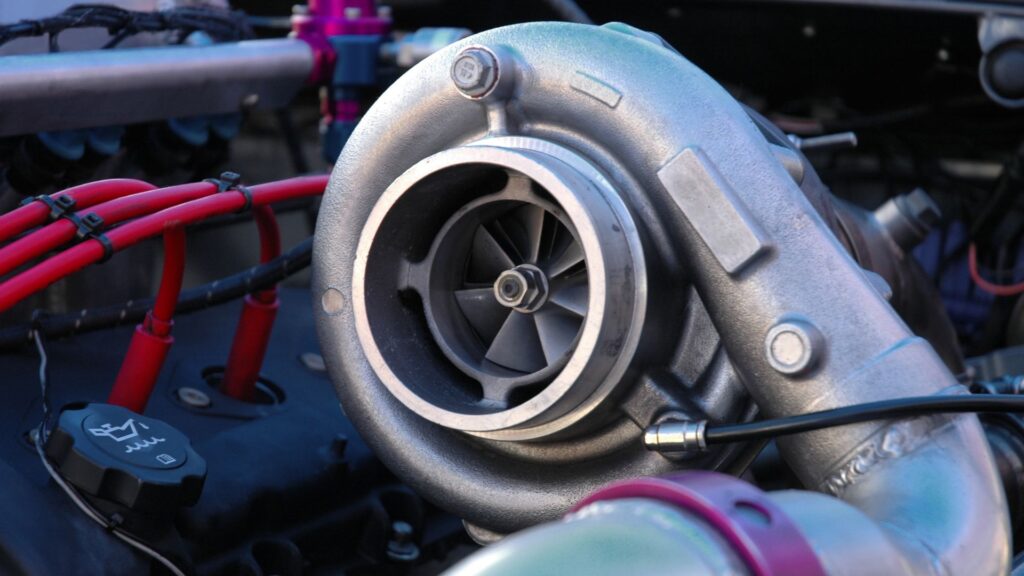
Your turbocharger is one of the hardest-working components under your hood. It uses exhaust gas to spin a turbine at thousands of revolutions per minute, forcing more air into the combustion chamber so your engine produces more horsepower without burning extra fuel. It is a brilliant piece of engineering – until it starts failing.
The problem is that turbocharger failure symptoms rarely announce themselves loudly at first. They creep in slowly, and drivers often mistake them for something minor. By the time the damage is obvious, the repair bill has multiplied several times over.
Here is what you need to watch for before a small problem becomes a dead engine.
Why Turbochargers Fail in the First Place
Before we get into the symptoms, it helps to understand what puts a turbocharger at risk. Most turbo failures trace back to a handful of root causes.
- Oil starvation is the number one killer. Your turbocharger depends on a steady flow of clean motor oil to lubricate its bearings. Without proper lubrication, those bearings wear down fast. Skipping oil changes or running low on oil puts your turbo in serious danger.
- Debris and contamination are also major culprits. A dirty or clogged air filter lets debris enter the intake side of the turbo, damaging the turbine blades and compressor. Even tiny particles can cause catastrophic wear at the speeds these components operate.
- Heat damage is another common issue. Turbos run at extreme temperatures. If you shut off a hot engine without letting it cool briefly, the oil inside the turbo can cook and form deposits that block lubrication passages over time.
- Foreign object damage, a failed wastegate, a malfunctioning actuator, or a failing vacuum pump can all contribute to turbocharger problems as well.
The Warning Signs You Cannot Afford to Ignore
You Hear a Whining or Screeching Noise
One of the most recognized turbocharger failure symptoms is unusual noise. A healthy turbo runs with a faint, consistent hum. When you start hearing a high-pitched whining or screeching noise, rattling during acceleration, your turbo’s bearings may be wearing out or debris has made its way inside.
This noise often gets louder as you push the throttle. Do not ignore it and assume it will go away on its own.
Your Engine Loses Power and Acceleration Falls Flat
A turbocharger exists to give your engine a boost. When it starts failing, that boost disappears. You might notice your car or truck feels sluggish pulling onto the highway, or your acceleration feels noticeably weaker than it used to be.
If your vehicle feels like it lost horsepower overnight, your turbo is a strong suspect. A failing actuator or a leaking intercooler can also reduce boost pressure and produce this symptom.
Smoke Coming From Your Exhaust
Smoke is never a good sign, and when your turbo is involved, it usually means oil is leaking past worn seals and entering the combustion chamber. Blue or gray smoke pouring from the exhaust system is a classic symptom of a turbocharger burning motor oil internally.
Diesel engine owners should pay especially close attention here. A diesel already produces more exhaust gas than a gas engine, so unusual smoke is easy to dismiss – but it should never be ignored.
Your Check Engine Light Comes On
Modern vehicles use a network of sensors to monitor performance. When your turbo underperforms or a boost pressure sensor detects a problem, your check engine light may illuminate. Some vehicles will also enter a reduced power mode to protect the engine from further damage.
Do not assume the check engine light is just a sensor glitch. When combined with other symptoms on this list, it is a strong signal that your turbocharger needs attention.
You Are Burning Through More Fuel Than Usual
When a turbocharger fails, your engine has to work harder to maintain power. That extra effort translates directly to poor fuel economy. If you are filling up more often than usual and your driving habits have not changed, your turbo could be to blame.
Fuel economy in automobiles is closely tied to engine efficiency, and a struggling turbo disrupts that efficiency significantly.
Oil Leaks Around the Turbocharger
A physical leak is one of the more straightforward turbocharger failure symptoms. Check around the turbo housing for signs of oil seeping out. A damaged seal, cracked housing, or a blocked oil return line can allow motor oil to escape and create a leak.
Ignoring an oil leak means your engine runs low on oil, which then starves the turbo of lubrication and accelerates bearing wear. One problem feeds the other until something breaks entirely.
What Happens If You Ignore These Symptoms
Letting turbocharger problems go unaddressed does not just ruin the turbo. Debris from a failing turbo can travel downstream into the engine itself, causing severe internal damage. A complete turbo failure can send metal fragments through the intake and into the cylinders, destroying pistons, valves, and more.
The cost difference between catching a failing turbo early versus replacing an entire engine is substantial. Early diagnosis and repair is always the smarter financial decision.
How to Keep Your Turbocharger Healthy
Prevention is straightforward with a few consistent habits. Change your oil on schedule using the oil grade your manufacturer recommends. Let your engine idle for a minute or two before shutting it off after hard driving, giving the turbo time to cool down. Inspect and replace your air filter regularly to keep debris out of the intake. And if your vehicle uses a vacuum pump or has a wastegate system, make sure those components are part of your regular inspection routine.
Frequently Asked Questions
How long does a turbocharger last?
Most turbos are designed to last the life of the engine with proper maintenance. Poor oil maintenance or overheating can shorten that lifespan considerably.
Can I drive with a failing turbocharger?
Technically yes, but it is not recommended. Continued driving can turn a repairable turbo problem into full engine damage.
Is turbocharger failure covered under warranty?
It depends on your vehicle’s warranty terms and what caused the failure. Neglected oil changes often void coverage.
Do Not Ignore Turbocharger Failure Symptoms Before It Is Too Late
A failing turbocharger gives you warning signs before it gives up completely. Pay attention to unusual noise, power loss, smoke, oil leaks, and a check engine light. These symptoms are your engine asking for help before the situation becomes irreversible.
If your car or truck is showing any of these signs, schedule an engine repair inspection with the team at Newnum and Sons Garage. Call us at 765-793-3334 and let our technicians diagnose the problem before a fixable repair turns into a complete engine replacement.