Is It Safe to Drive With a Bad Wheel Bearing? Not for Long
A strange humming noise coming from your car is easy to ignore at first. Maybe you turn up the radio. Maybe you tell yourself it will go away. But when that noise is a failing wheel bearing, ignoring it is one of the riskiest decisions you can make behind the wheel.
So let’s answer the question directly: no, it is not safe to drive with a bad wheel bearing – at least not for long. Here is what you need to know, why it matters, and what to do before a manageable repair turns into a serious safety hazard.
What Is a Wheel Bearing and What Does It Do?
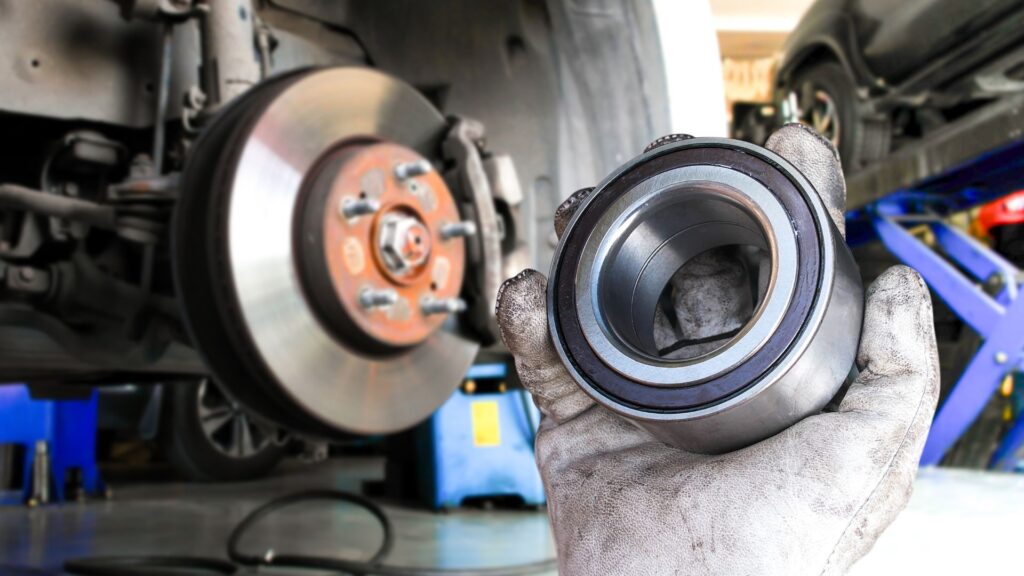
A wheel bearing is a set of steel balls or rollers held together inside a metal ring. It is a mechanical component that allows your wheel to spin freely around the axle with minimal friction. Without it, your tire cannot rotate smoothly, and your entire wheel assembly suffers.
Bearings are tucked away inside the wheel hub, out of sight and easy to forget. But they are under constant load, especially during cornering, braking, and acceleration. Over time, heat, corrosion, and normal wear break down the bearing’s internal lubrication and structure.
How Do You Know If Your Wheel Bearing Is Going Bad?
Unusual Noises From the Wheel Area
The most common early symptom is a humming, grinding, or growling noise that increases with vehicle speed. The sound often changes when you shift your weight – turning left may make it louder, turning right may quiet it down, or vice versa. That shift in noise is a classic sign that a specific wheel bearing is under stress.
Vibration in the Steering Wheel
A failing bearing can cause vibration that travels up through the car suspension and into your steering wheel. This is not just uncomfortable – it is a signal that something in the wheel assembly is losing stability.
Uneven Tire Wear
When a wheel bearing starts to fail, the wheel can develop a slight wobble. That vibration causes uneven contact between the tire and the road, leading to irregular wear patterns. If you are noticing strange wear on one tire that does not match the others, a worn bearing could be the reason.
Loose or Wobbly Wheel Feel
If your steering feels vague or imprecise, or if the car seems to wander slightly on a straight road, the bearing may no longer be holding the wheel firmly in place. That looseness only gets worse with time and driving distance.
Why Driving on a Bad Wheel Bearing Is a Real Risk
The Bearing Can Fail Completely Without Warning
A worn bearing does not always give you a long warning window. What starts as a minor noise can accelerate into catastrophic failure, especially at highway speeds. When a wheel bearing fails completely, the wheel can seize or, in extreme cases, separate from the vehicle. Either outcome is a serious accident waiting to happen.
It Affects Your Brakes
Your braking system depends on the car suspension being stable and properly aligned. A bad bearing can throw off the disc brake rotor’s position, reducing brake contact and effectiveness. Vehicles equipped with an anti-lock braking system (ABS) are especially sensitive – the ABS sensors are often integrated into the wheel hub and bearing assembly. A failing bearing can trigger false ABS signals or disable the system entirely, removing one of your most important safety features on the road.
It Puts Stress on Connected Components
A wheel bearing does not fail in isolation. The constant-velocity joint, the axle, and car suspension components connected to that wheel all absorb extra stress when the bearing is worn. What starts as a bearing replacement can turn into a much larger repair if those surrounding parts take damage.
Heat Becomes a Factor
As the bearing wears down, friction increases. That friction generates heat – enough in some cases to damage the hub, the axle, and nearby brake components. Driving on a bad bearing is essentially accelerating the destruction of your wheel assembly from the inside out.
How Long Can You Actually Drive on a Bad Wheel Bearing?
This is the question everyone wants a clean answer to. The honest truth is: it depends on how far along the wear is, but the window is shorter than most drivers think.
A bearing that is just beginning to make noise might last a few hundred miles. A bearing that is grinding loudly, causing vibration, or creating noticeable wheel wobble could fail much sooner – sometimes within miles. There is no safe number to count on.
Towing, carrying heavy loads, or driving at higher speeds puts significantly more strain on the bearing and can push it to failure faster. If you suspect a bad bearing, the smartest move is to avoid highway driving, skip towing anything, and get the vehicle inspected as soon as possible.
What Happens If You Ignore It Too Long?
Here is the progression most drivers who wait too long will experience:
- The noise gets louder and more constant, no longer changing with steering input
- Vibration becomes noticeable through the seat and floor, not just the steering wheel
- The tire begins to wobble visibly when viewed from outside the vehicle
- Brake performance degrades
- The wheel seizes, locks up, or in rare cases detaches from the vehicle entirely
At that point, you are no longer dealing with a bearing replacement. You are dealing with a roadside emergency, potential damage to the axle, hub, rotor, and surrounding suspension components, and a real risk of an accident.
Getting It Fixed the Right Way
Wheel bearing replacement is a straightforward job for a trained technician, but it does require the right tools and experience. The bearing must be properly pressed in and torqued to spec, and the surrounding components need to be inspected for wear or damage at the same time.
If your vehicle is showing any of the symptoms described above, getting it checked out sooner saves you money and keeps you and everyone else on the road safer.
At Newnum and Sons Garage in Covington, the team handles suspension and wheel assembly repairs with the kind of straight talk and upfront estimates that take the guesswork out of getting your car fixed. If something sounds or feels off, they will tell you exactly what is going on before any work begins.
Why You Shouldn’t Wait on a Bad Wheel Bearing
A bad wheel bearing is not a “wait and see” problem. The noise, vibration, and wear it causes are warning signs of a component that is working its way toward failure. The longer you drive on it, the greater the risk to your brakes, steering, tires, and overall safety. If you are noticing any of the symptoms covered here, schedule a suspension inspection at Newnum and Sons Garage before a small repair becomes a much bigger one. Call 765-793-3334 to get started.