What Really Happens If You Skip an Oil Change
Most drivers know they should get their oil changed regularly. But life gets busy, the reminder sticker on the windshield fades, and suddenly you’re a few thousand miles past due. It feels harmless enough. After all, the car still starts, still drives, still seems fine.
Here is the problem: what happens if you skip an oil change is not always immediate. The damage builds quietly, and by the time you notice something is wrong, your engine has already paid a steep price.
What Motor Oil Actually Does Inside Your Engine
Motor oil is not just a fluid you top off and forget. It is the lifeblood of your engine, doing several critical jobs at once. Its primary purpose is lubrication – reducing friction between the hundreds of moving metal parts inside your engine so they can work together without grinding each other down.
Beyond reducing friction, oil also carries heat away from engine components that would otherwise overheat. It suspends dirt, debris, and combustion byproducts so the oil filter can trap them before they cause damage. Fresh motor oil handles all of this well. But oil degrades over time, and that is where the trouble starts.
What Happens When You Skip an Oil Change
The Oil Breaks Down and Loses Its Power
Over time and miles, motor oil breaks down. The protective additives that give it its lubricating strength get depleted. Heat cycles, moisture, and contamination from the combustion process all degrade the oil’s ability to do its job.
When you push past your change interval, you are essentially running your engine on a lubricant that no longer lubricates as well as it should. Metal parts begin to wear against each other with less protection. That wear and tear, while gradual, adds up fast.
Sludge Starts to Form
One of the most damaging things that can happen when oil goes stale is sludge formation. Sludge is a thick, gel-like substance that forms when old, degraded oil mixes with moisture and combustion residue. It sticks to engine surfaces and clogs narrow oil passages.
Once sludge builds up, even fresh oil has trouble reaching critical engine components. Parts that depend on a steady flow of clean oil start running dry or with inadequate lubrication. This accelerates wear at a rate that even high-quality synthetic oil cannot fully reverse once the sludge is established.
Heat Builds Up, and Components Start to Fail
Fresh oil helps regulate engine temperature by carrying heat away from the combustion zone. Old, degraded oil loses this ability. When heat has nowhere to go, temperatures inside the engine climb higher than they should.
Prolonged high heat warps metal, damages seals, and causes gaskets to fail. The risk of a blown head gasket or cracked engine block increases significantly when oil changes are skipped repeatedly. These are not cheap fixes – they can cost thousands of dollars and, in some cases, total a vehicle entirely.
Your Fuel Economy Takes a Hit
Here is something most drivers do not connect to their oil change schedule: fuel efficiency. When engine components are not properly lubricated, friction increases. The engine has to work harder to do the same amount of work, and that means burning more gas in the process.
If you have noticed your car visiting the gas pump more often without a change in your driving habits, degraded oil could be a contributing factor. Maintaining clean oil is one of the simplest ways to protect your fuel economy without spending a dime on aftermarket upgrades.
How Long Can You Actually Go Between Oil Changes?
This depends on your vehicle, your oil type, and your driving conditions. A conventional oil vehicle in older model years was often serviced every 3,000 miles, though modern engines using synthetic oil can often go 5,000 to 10,000 miles or more between changes.
The key word is “can” – not “should push to the absolute limit.” Your vehicle’s owner’s manual is the most reliable guide, but your driving conditions matter too. Frequent short trips, dusty environments, towing, or stop-and-go traffic all accelerate oil degradation. In those cases, more frequent changes make sense even if the mileage has not hit the recommended number.
What About Oil Filter Replacement?
Some people change the oil but skip the oil filter, or vice versa. That is a mistake. The oil filter traps contaminants that would otherwise circulate through the engine. A clogged or bypassed filter sends those particles right back into the oil supply, defeating the purpose of a fresh oil change.
At Newnum and Sons Garage, every oil change service includes proper attention to the filter as well, so you are not getting a half-measure job that leaves contamination behind.
Does Skipping an Oil Change Affect Your Warranty?
If your vehicle is still under a manufacturer’s warranty, this matters more than you might think. Most warranties require documented proof of regular maintenance, including oil changes at recommended intervals.
Skip too many services or fail to keep records, and you could find yourself in a situation where a mechanical failure is not covered because maintenance was not kept up. That warranty protection you are paying for indirectly through your vehicle purchase can disappear quickly if the maintenance log is missing.
Why Covington Drivers Trust Newnum and Sons Garage for Oil Service
There are plenty of quick-lube options out there that can get you in and out fast. But fast is not always thorough.
At Newnum and Sons Garage in Covington, IN, the approach is different. The technicians here actually know your vehicle because they service the whole car, not just the oil. They can spot a leak, a worn belt, or a fluid level that is heading toward trouble – things a quick-stop shop often misses because they are not looking.
Newnum and Sons also offers online maintenance schedules, so you never have to guess when your next service is due. And every estimate is explained upfront before any work begins. That kind of transparency is hard to find.
Frequently Asked Questions
Can one missed oil change really cause damage?
One skipped change is unlikely to destroy an engine on its own, but it does start the degradation process. The real risk comes from making it a habit or going significantly over the recommended interval.
What are the signs that my oil is overdue?
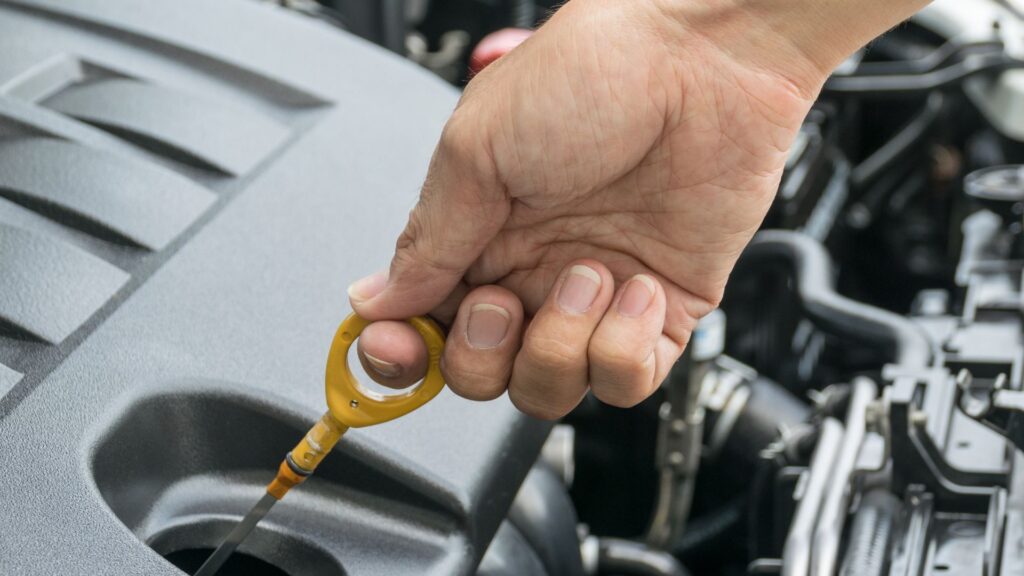
Watch for a dark, gritty appearance on the dipstick, a burning smell from the engine, increased engine noise, or the oil change warning light on your dashboard.
Is synthetic oil better if I tend to forget oil changes?
Synthetic oil does last longer and performs better under heat and stress than conventional oil. However, it is not a substitute for regular changes. It degrades too – just more slowly.
How do I know what interval is right for my car?
Check your owner’s manual first. Then consider your driving conditions. If you are unsure, the team at Newnum and Sons Garage can help you establish the right schedule for your specific vehicle.
Keep Your Engine Running Strong With Regular Oil Changes
Your engine is one of the most complex and expensive components in your vehicle. Protecting it does not require expensive upgrades or elaborate maintenance routines. It starts with something as straightforward as changing the oil on time, every time.
Skipping a change might feel like no big deal at the moment. But the heat, friction, contamination, and sludge that accumulate when oil goes stale all work against your engine quietly and continuously.
If your oil is overdue or you are not sure where you stand, schedule your lube and oil service with Newnum and Sons Garage. Call 765-793-3334 to set up an appointment and get back on schedule before the wear and tear adds up.