Clunk Noise Going Over Bumps? Here's What Your Car Is Trying To Tell You
That clunk noise every time you hit a bump is hard to ignore. It might start as a subtle knock over small bumps and gradually turn into something louder and more alarming. Your car is giving you a signal, and the smart move is to pay attention before a minor issue becomes a costly repair.
Why Does Your Car Make a Clunking Noise Over Bumps?
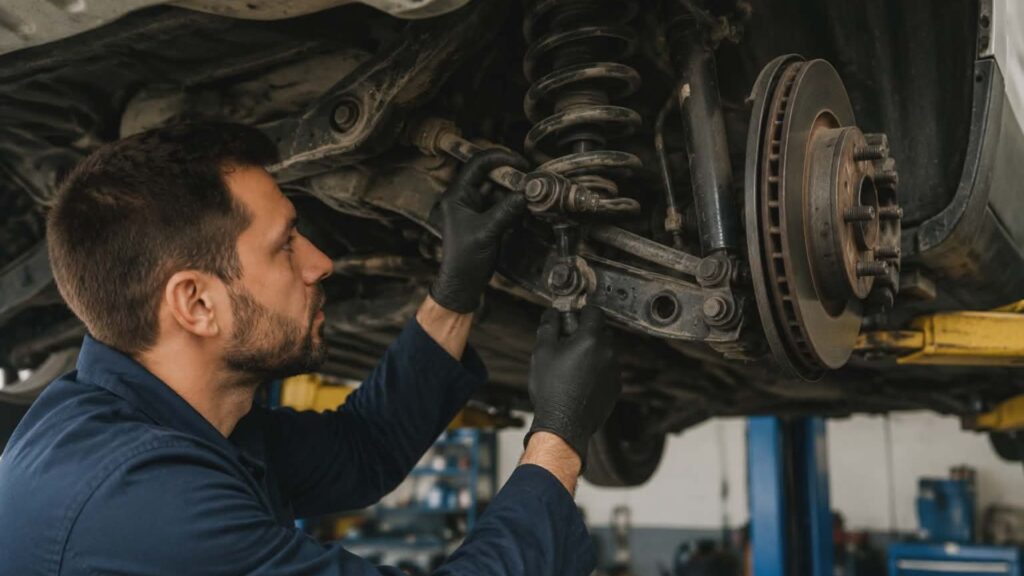
When you drive over a bump, your vehicle’s suspension system absorbs the impact so you don’t feel every crack and dip in the road. That system is made up of dozens of components working together, and when even one of them wears out or comes loose, it can produce a clunking noise that’s both annoying and potentially dangerous.
The clunk you hear is essentially two metal or rubber parts knocking together when they shouldn’t be. Understanding the source of the noise helps narrow down which part needs attention.
Common Causes of That Clunking Sound
Worn Shocks or Struts
Shocks and struts are designed to absorb road impacts and control how your car responds during compression. When a shock or strut wears out, the car bounces more than it should, and the extra movement causes other suspension components to knock around. You might notice a louder clunk when going over speed bumps or driving over uneven surfaces. Worn front struts, in particular, can make a clunking noise when going over even mild dips in the road.
Bad Sway Bar Links or Bushings
The sway bar – also called an anti-roll bar – helps keep your car balanced through turns and over uneven pavement. It connects to the rest of the suspension through a sway bar link and rubber bushings. When these wear out, you’ll often hear a rattle or clunk from the front end, especially at low speeds over small bumps. Loose sway bar links or sway bar bushings are one of the most common causes of suspension noise.
Ball Joints and Control Arms
Ball joints connect your wheels to the control arm and allow your steering system to move freely.
A worn ball joint can make a clunking noise when the wheel hits a bump or when you turn the steering wheel. Control arm bushings – made from natural rubber – absorb vibration between the control arm and the vehicle frame. When those rubber bushings deteriorate, they allow extra movement that creates noise when driving over bumps.
Strut Mount Issues
The strut connects to the car body through a shock mount at the top. If the mount wears down, it can no longer isolate the strut from the vehicle frame properly, which leads to a clunking sound over bumps. This part is easy to overlook but important for ride quality and vehicle handling.
Tie Rods and the Steering Rack
Your steering and suspension systems share several components, including tie rods and steering knuckles. Worn or loose tie rods can produce a clunking noise, especially when turning or hitting bumps. Worn steering rack mounts can create a similar effect. If the noise shifts from one side to another – say, from the driver’s side to the passenger side – tie rods are worth inspecting.
Other Things to Check
Sometimes the clunk isn’t coming from the car’s suspension at all. A loose heat shield, skid plate, or even a loose brake caliper bracket can all make a clunking noise when you drive over a bump. A loose axle or worn CV joint can also produce clunking sounds, particularly during acceleration. If you’re dealing with driveline noise, it’s worth looking into driveline and axle repair.
How Serious Is the Clunk?
That depends on the source. Worn or damaged suspension parts don’t just create noise – they affect how your car handles, brakes, and holds the road. A failing ball joint, for example, can cause uneven tire wear and, in severe cases, sudden loss of steering control. Ignoring suspension issues means risking your safety every time you hit a bump or pothole.
You can read more about the causes of car shaking at high speeds to understand related warning signs, or browse the most common car repairs and maintenance issues for a broader look at what vehicles need over time.
Signs of wear in the entire suspension system often show up together, so one clunking noise when going over bumps may signal that multiple parts need attention.
What To Do Next
If you notice a new noise when going over bumps, don’t wait. The technicians at Newnum and Sons Garage in Covington, IN, can diagnose the problem and explain exactly what’s going on before any work begins. They offer suspension and brake system repairs and full professional auto repair services with upfront estimates and no guesswork.
Conclusion
A clunk when you hit a bump isn’t just an annoyance – it’s your car telling you something needs attention. From worn shocks to bad links or bushings, the front suspension takes a beating on rough roads. Getting it checked early keeps repair costs down and keeps you safe. If you’re in Covington and hearing noise when driving over bumps, call Newnum and Sons Garage at 765-793-3334 to schedule an inspection today.