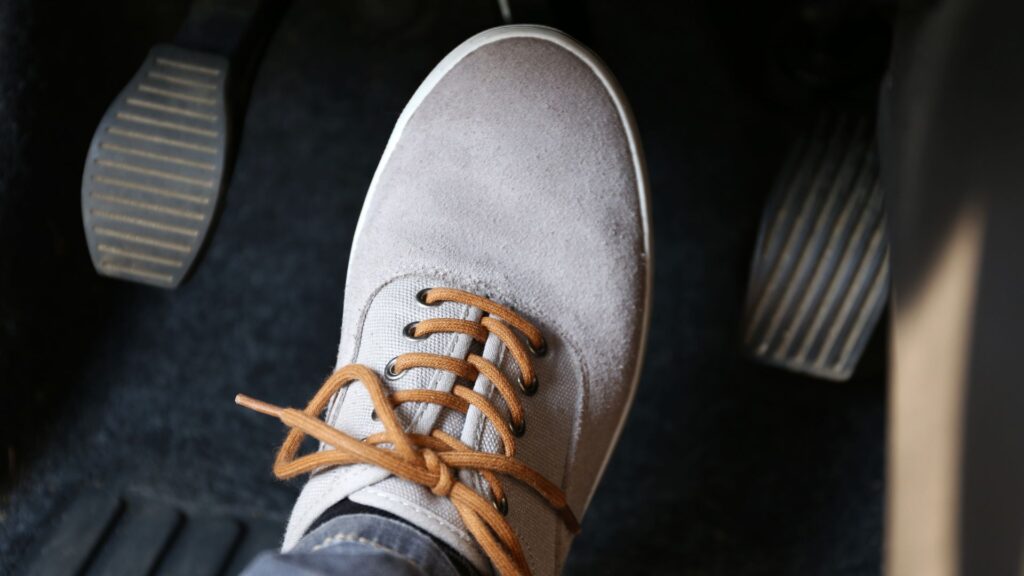
What to Do When Your Brake Pedal Travels to the Floor While Driving
Few driving situations are more alarming than pressing the brake pedal and feeling it sink toward the floor. Whether the pedal drops suddenly or gradually feels lower than usual, it is not a problem to ignore. A low or sinking brake pedal can indicate that your braking system is no longer operating safely.
This guide explains what may cause a brake pedal to go to the floor, what to do if it happens while driving, and when to seek professional brake service.
What It Means When the Brake Pedal Goes to the Floor
Most vehicle braking systems rely on hydraulic pressure. When you press the brake pedal, brake fluid moves through the brake lines and helps the calipers or wheel cylinders apply the brakes at the wheels.
If the system loses hydraulic pressure, the pedal may travel farther before the brakes fully engage. In severe cases, the vehicle may have significantly reduced stopping power.
A brake pedal that sinks to the floor often indicates a brake fluid leak, air in the lines, a failing master cylinder, or another issue that requires immediate inspection.
Common Causes of a Brake Pedal Sinking to the Floor
Brake Fluid Leak
One of the most common causes of a brake pedal sinking to the floor is a brake fluid leak. Fluid can leak from a brake line, hose, caliper, wheel cylinder, master cylinder, or reservoir connection.
When brake fluid escapes and air enters the system, the air compresses more easily than brake fluid. This can make the pedal feel soft, spongy, or unusually low.
You may notice fluid near a wheel or underneath the engine bay. However, not every leak is visible. An internal master cylinder leak, for example, may cause pedal problems without leaving a puddle on the ground.
Failing Master Cylinder
The brake master cylinder converts pressure from your foot into hydraulic pressure that operates the brakes. If its internal seals wear out or fail, brake fluid may move past the seals instead of building the pressure needed for effective braking.
This can cause the pedal to sink toward the floor even when the brake fluid reservoir appears full.
A failing master cylinder may need to be replaced. Because the braking system directly affects vehicle safety, this repair should be handled by a trained technician.
Air in the Brake Lines
Air in the brake lines can make the pedal feel soft or spongy and increase the amount of pedal travel before the brakes respond.
This may happen after brake work if the system was not properly bled, or after a leak or opened brake line allowed air into the system. Bleeding the brakes removes trapped air and helps restore proper pedal feel, but the source of the air should also be identified and repaired.
Worn or Misadjusted Brake Components
Worn brake pads, worn brake shoes, or poorly adjusted rear drum brakes may contribute to increased pedal travel and reduced braking performance.
Even when these parts are not the only cause of a low pedal, worn components can reduce braking effectiveness and should be addressed promptly. A complete brake inspection can determine whether pads, shoes, rotors, drums, calipers, or related hardware need service.
ABS or Hydraulic Control System Problems
In some vehicles, an ABS pump or another hydraulic control system fault can contribute to unusual pedal behavior. These issues may require diagnostic equipment to identify properly.
If the ABS warning light is on or the pedal feels inconsistent, a technician can inspect the system and check for stored fault codes.
What About a Hard Brake Pedal?
A brake pedal that is hard to press is different from a pedal that sinks to the floor. A hard pedal may be related to the brake booster or another power-assist issue.
Both symptoms require attention, but they usually point to different problems. If your pedal is hard, low, spongy, or inconsistent, have the brake system inspected as soon as possible.
What to Do If the Brake Pedal Goes to the Floor While Driving
If your brake pedal suddenly goes to the floor while you are driving, focus on slowing the vehicle and reaching a safe stopping location.
- Stay calm and keep control of the vehicle. Avoid abrupt steering movements.
- Take your foot off the accelerator. Allow the vehicle to begin slowing down.
- Turn on your hazard lights when it is safe to do so. This helps alert nearby drivers.
- Try pumping the brake pedal a few times. In some situations, this may temporarily restore enough pressure to help slow the vehicle.
- Gradually shift to a lower gear when your vehicle allows it. Engine braking may help reduce speed. Avoid sudden downshifts.
- Apply the parking brake carefully and gradually if needed. Applying it too quickly may cause the rear wheels to lock and the vehicle to skid.
- Steer to a safe location and stop the vehicle. Once stopped, do not continue driving.
- Arrange for a tow and a professional inspection. A vehicle with a sinking brake pedal should not be driven until the cause has been identified and repaired.
Always follow the emergency guidance in your vehicle owner’s manual, as brake and parking brake systems can differ by vehicle.
Get Your Brakes Inspected Before the Problem Gets Worse
A brake pedal that feels soft, low, or inconsistent is a warning sign that should not be ignored. Even if the brakes still appear to work, the problem may worsen without warning.
A brake inspection can help identify fluid leaks, master cylinder issues, worn brake components, air in the hydraulic system, or other problems affecting your stopping ability.
Schedule Brake Service in Covington, IN
A brake pedal that travels to the floor is a serious safety concern that requires prompt attention. Whether the cause is a brake fluid leak, air in the lines, a failing master cylinder, or worn brake components, the next step is a professional inspection.
At Newnum & Sons Garage in Covington, IN, our team can inspect your braking system, identify the cause of the problem, and recommend the appropriate repair.
Call 765-793-3334 to schedule your brake inspection today.