7 Signs of a Bad Clutch Master Cylinder You Shouldn't Ignore
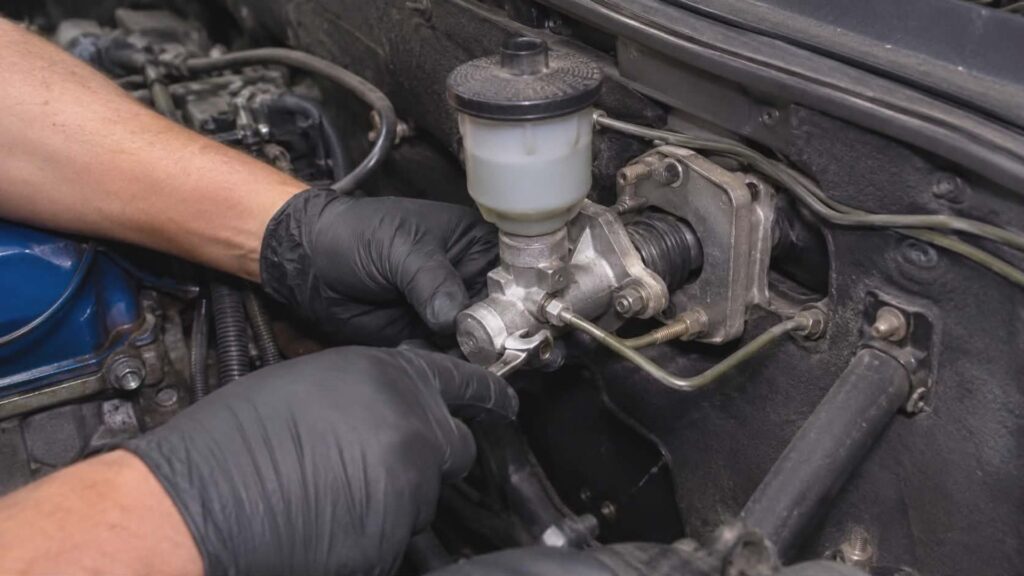
If you drive a vehicle with a manual transmission, the clutch system plays an essential role in keeping you in control. At the center of the hydraulic clutch system is the clutch master cylinder, a small but important component that converts pressure from your foot into hydraulic force.
When the clutch master cylinder begins to fail, shifting gears can become difficult or unpredictable. The symptoms may appear gradually, making them easy to overlook until the vehicle becomes harder or unsafe to drive.
Here are seven signs of a bad clutch master cylinder that should not be ignored.
How the Clutch Hydraulic System Works
When you press the clutch pedal, the clutch master cylinder pushes hydraulic fluid through the clutch line to the slave cylinder. The slave cylinder then helps activate the clutch release mechanism, allowing the clutch to disengage so you can shift gears smoothly.
Because this is a hydraulic system, each component must work properly. A worn seal, damaged line, leaking cylinder, or low fluid level can reduce pressure and affect clutch operation.
1. The Clutch Pedal Feels Soft or Spongy
One of the earliest warning signs is a clutch pedal that feels soft or spongy when pressed. A properly working pedal should provide consistent resistance.
A spongy pedal may indicate air in the hydraulic system, low fluid, or worn internal seals. Unlike hydraulic fluid, air compresses easily. When air enters the system, the clutch pedal may feel mushy and fail to transfer pressure effectively.
Bleeding the hydraulic system may temporarily improve pedal feel in some cases. However, when the problem returns, a leak or failing component may need professional attention.
2. The Clutch Pedal Sinks to the Floor
A clutch pedal that sinks to the floor or fails to return is a serious warning sign. This can happen when the master cylinder is no longer able to maintain enough hydraulic pressure to operate the clutch properly.
When the clutch cannot disengage, shifting gears may become extremely difficult or impossible. If your clutch pedal suddenly stays on the floor, avoid continuing to drive the vehicle and arrange for an inspection.
3. Difficulty Shifting Gears
When the clutch master cylinder cannot generate sufficient pressure, the clutch may not fully disengage when you press the pedal. As a result, shifting gears may feel stiff, difficult, or inconsistent.
You may especially notice problems when shifting into first gear, reverse, or between gears while driving. Because several clutch and transmission issues can cause shifting problems, a technician should inspect the hydraulic system before recommending repairs.
4. Grinding When Trying to Shift
Grinding noises while shifting can occur when the clutch is not fully disengaged. If the master cylinder is failing, the clutch may remain partially engaged even when the pedal is pressed.
Grinding should not be ignored because repeated rough shifting can contribute to additional wear on transmission components. A professional inspection can help determine whether the issue is hydraulic or caused by another clutch or transmission problem.
5. Clutch Fluid Leaks
The clutch master cylinder relies on a sealed hydraulic system. When internal seals wear out or the cylinder becomes damaged, hydraulic fluid may begin to leak.
Depending on your vehicle, you may notice fluid:
- Near the clutch pedal inside the cabin
- Around the firewall where the master cylinder is mounted
- In or near the clutch fluid reservoir
- Under the vehicle near the slave cylinder or bell housing area
Low fluid can reduce hydraulic pressure and cause the clutch system to stop working correctly. Because some vehicles share a fluid reservoir between the clutch and brake systems, check your owner’s manual or have a technician inspect the vehicle promptly.
6. The Clutch Pedal Sticks or Returns Slowly
A clutch pedal that sticks, hesitates, or slowly returns to its normal position may indicate a hydraulic problem. Internal wear in the master cylinder, damaged seals, contaminated fluid, or a related component issue can interfere with smooth pedal operation.
This symptom may become more noticeable in stop-and-go traffic, where frequent clutch use is required. When the pedal no longer responds normally, scheduling an inspection early can help prevent a more disruptive failure.
7. Low or Discolored Clutch Fluid
Check the clutch fluid reservoir if it is accessible and safe to inspect. Fluid that repeatedly drops below the recommended level may indicate a leak somewhere in the hydraulic system.
Discolored or contaminated-looking fluid may also signal that the system needs service. However, dark fluid alone does not confirm that the clutch master cylinder is faulty. A technician can inspect the master cylinder, slave cylinder, lines, and fluid condition to identify the actual cause.
Is It the Master Cylinder or the Slave Cylinder?
A failing clutch master cylinder and a failing slave cylinder can produce similar symptoms. Both may cause a soft pedal, fluid loss, difficulty shifting, or an inability to disengage the clutch.
A master cylinder leak may be visible near the clutch pedal, reservoir, or firewall. A slave cylinder issue may appear closer to the transmission or bell housing area, depending on the vehicle’s design.
Because these symptoms overlap, replacing parts without a proper diagnosis can lead to unnecessary costs. A qualified technician can inspect the hydraulic clutch system and identify which component needs attention.
Do Rising RPMs Mean the Master Cylinder Is Bad?
When engine RPMs increase without a matching increase in speed, the clutch may be slipping. This is commonly associated with a worn clutch disc, pressure plate, or another clutch assembly problem rather than a failing clutch master cylinder alone.
Since clutch symptoms can overlap, it is best to have the vehicle professionally inspected before assuming which part is responsible.
Why You Should Not Ignore Clutch Hydraulic Problems
A failing clutch master cylinder can leave you unable to shift gears or safely operate your vehicle. What begins as a soft pedal or small fluid leak can eventually become a complete loss of clutch control.
Addressing the issue early can help reduce the risk of getting stranded and may prevent additional wear caused by difficult or improper shifting.
Schedule Clutch System Service in Covington, IN
Recognizing the signs of a bad clutch master cylinder early can help you avoid a more serious problem. If your clutch pedal feels spongy, your fluid level keeps dropping, or shifting has become difficult, it is time to schedule an inspection.
The team at Newnum and Sons Garage in Covington, IN, can inspect your hydraulic clutch system, identify the source of the problem, and recommend the appropriate repair.
Call 765-793-3334 to schedule your appointment today.