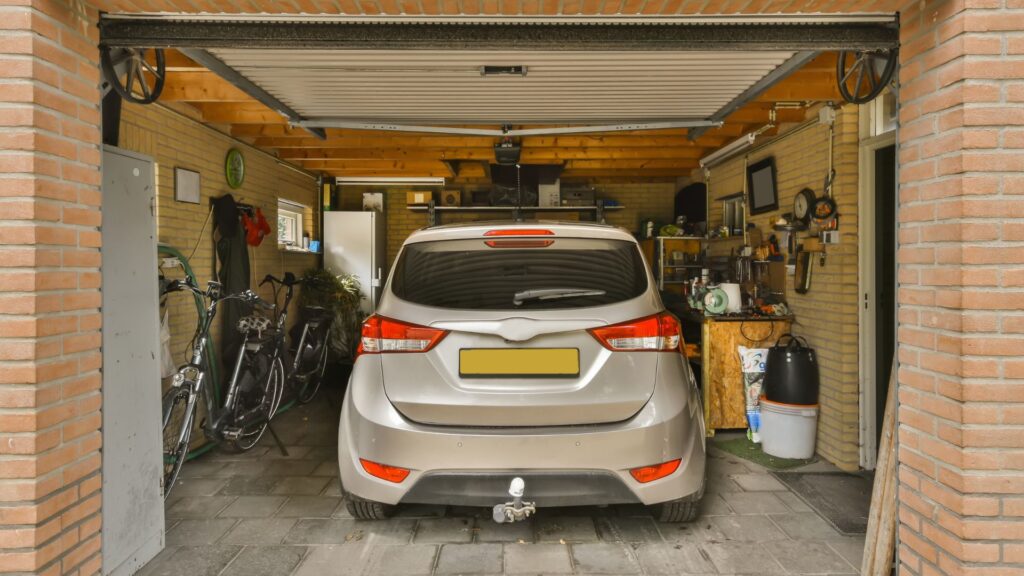
How Long Can a Car Sit Without Being Driven?
Most people assume that as long as a car looks fine on the outside, it is fine. But a vehicle that sits untouched in a driveway or garage for weeks or months can quietly develop some serious problems. The engine, battery, tires, brakes, and fluids all need regular use and proper maintenance to stay in good shape.
So how long can a car sit without being driven before things start going wrong? The short answer is: not as long as you might think.
The General Rule of Thumb
As a baseline, most mechanics will tell you that a car should not sit for more than two to four weeks without being started or moved. After that window, you start running into issues that range from mildly annoying to genuinely costly.
That said, the exact timeline depends on several factors – how old the vehicle is, whether it has a manual transmission or an automatic, where it is parked, and what condition it was in before it sat.
What Actually Happens When a Car Sits Too Long
The Battery Dies
This is usually the first thing to go. A car’s electric battery slowly loses its charge even when the vehicle is not running. In warm weather, a battery can go flat in as little as two to three weeks. In cold weather, that timeline shrinks even further.
If your battery dies completely, you will need a jump start to get going again. Repeated deep discharges can permanently damage the battery, meaning you will be shopping for a replacement sooner than expected. A battery charger or trickle charger can help maintain the charge if you know the car will be sitting for a while.
Fuel Degrades in the Tank
Gasoline does not stay fresh forever. Modern gas with ethanol blends can begin to degrade in as little as 30 days. Over time, the fuel absorbs moisture from the air, which can lead to contamination and corrosion inside the tank itself.
Old, degraded gasoline can also leave behind a sticky residue that clogs fuel injectors and other components. If a car has been sitting for several months, it is worth having the fuel system inspected before you try to drive it. This is especially true for older vehicles without fuel stabilizer in the tank.
Motor Oil Breaks Down
Motor oil is not just for lubrication – it also helps prevent rust and corrosion inside the engine. When a car sits for a long time, the motor oil settles and loses some of its protective properties. Moisture can also mix into the oil, reducing its effectiveness and potentially leading to engine damage over time.
This is one reason why even a vehicle that has not been driven should have its oil changed if it has been sitting for more than six months, regardless of mileage.
Tires Lose Pressure and Develop Flat Spots
Tires naturally lose pressure over time due to atmospheric pressure changes and temperature swings. A tire that starts out properly inflated can be noticeably low after just a few weeks of sitting.
Worse, tires that sit in one position for too long can develop flat spots – areas where the rubber has deformed from holding the car’s weight. In mild cases, the tire rounds out again after a few miles of driving. In more serious cases, the flat spot is permanent and the tire needs to be replaced.
Brakes Can Rust and Seize
Brake rotors are made of iron, and iron rusts quickly – especially when exposed to moisture, rain, or even just condensation. A thin layer of surface rust is normal and usually wipes away after a few stops. But if a car sits for weeks or months, that rust can become significant enough to affect braking performance or cause the brake pads to stick to the rotors.
For vehicles with a manual transmission that have been parked with the handbrake engaged for a long time, the brake pads can actually fuse to the rotors. This is a real problem that can require more than just a brake inspection to fix.
Fluids Deteriorate Across the Board
Brake fluid, coolant, transmission fluid, and power steering fluid all degrade over time. Brake fluid is particularly hygroscopic, meaning it actively absorbs moisture from the air. This lowers its boiling point and can lead to spongy brake pedal feel or reduced stopping power.
Coolant that sits too long can become acidic and begin to corrode the radiator system and other components from the inside out. Keeping fluids fresh is one of the most overlooked parts of vehicle storage.
Special Considerations for Different Vehicle Types
Plug-In Hybrids and Hybrid Vehicles
If you own a plug-in hybrid or a hybrid vehicle like a Hyundai Sonata hybrid, there are additional considerations. The high-voltage battery pack in these vehicles can degrade faster if left at very low or very high states of charge for extended periods. Manufacturers typically recommend keeping the battery charge between 20 and 80 percent during storage.
Classic and Older Vehicles
Older cars like a Chevrolet Monte Carlo or a classic truck often have more vulnerable fuel systems, rubber seals, and plastic components that dry out and crack more easily than modern vehicles. They also tend to have fewer protections against moisture and pest infestation. Rodents in particular love to nest in parked vehicles and can chew through wiring, hoses, and insulation.
Performance Vehicles
Cars like the Subaru WRX, which are driven hard and tuned tightly, are especially sensitive to extended storage. The engine, exhaust system, and suspension components on performance vehicles benefit from regular use and can suffer more visibly from sitting than a standard commuter car.
How to Protect a Car That Needs to Sit
If you know your vehicle will be parked for an extended period, there are some practical steps you can take to reduce the damage.
- Add a fuel stabilizer to the gas tank to slow fuel degradation
- Connect a trickle charger to the battery to prevent it from going completely flat
- Park on a level surface to avoid uneven tire pressure and flat spots
- Place the car in gear or use wheel chocks instead of relying solely on the parking brake for long-term storage
- Cover the vehicle to protect it from bird droppings, UV damage, and moisture
- Consider placing traps or deterrents around the car to prevent rodent infestation
- Check and top off all fluids before storage, not just oil
How to Know If a Sitting Car Is Safe to Drive
If your vehicle has been sitting for a while and you are ready to get it back on the road, do not just assume it is fine. Before driving, check the tire pressure and inspect for visible damage. Look under the car for any fluid leaks. Start the engine and let it idle for a few minutes while watching for warning lights.
Pay attention to how the steering feels, whether the brakes respond normally, and if the engine sounds different than usual. Any unusual noise, smell, or handling behavior is worth investigating before you drive it on a public road.
How to Keep a Car Safe If It Sits Too Long
A car that sits too long without being driven can develop battery, fuel, brake, tire, and fluid problems faster than most people expect. Staying ahead of those issues starts with regular use and proper maintenance. If your vehicle has been sitting and you are not sure what shape it is in, bring it in for a full inspection.
Schedule a tune-up with Newnum and Sons Garage in Covington, IN, or call us at 765-793-3334 to talk through what your car might need before you get back on the road.