Blog

Your blog category

Vehicle Heater Not Working? Common Causes and How to Fix It Fast

Vehicle Heater Not Working? Common Causes and How to Fix It Fast

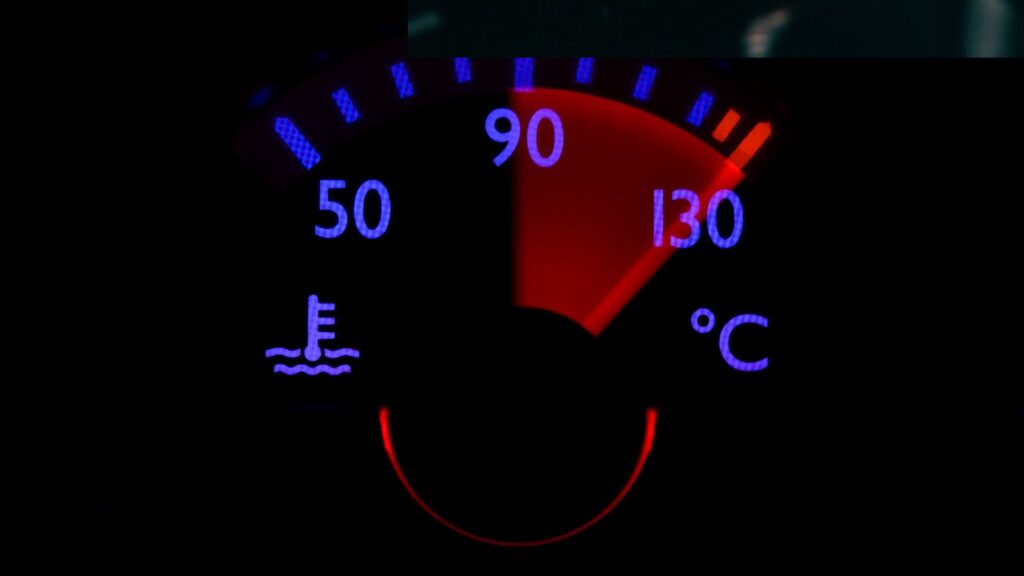
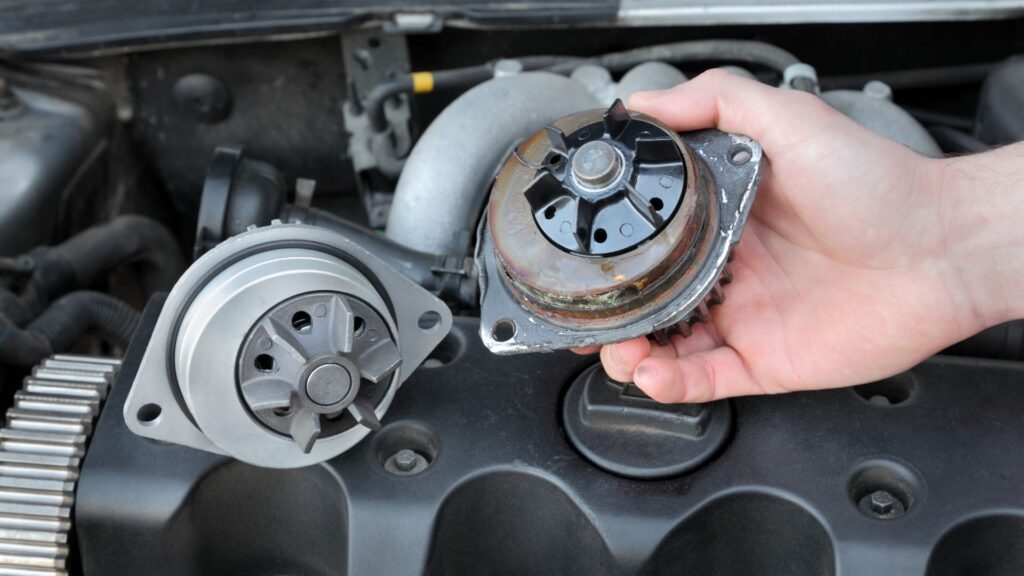
Vehicle Heater Not Working? Common Causes and How to Fix It Fast When the temperature drops and your car heater isn’t working, it’s more than just an inconvenience. A functioning car heater keeps you comfortable, helps defrost your windshield, and plays a role in overall driver safety. If your heater won’t push out warm air, something in the system needs attention. The good news? Most car heater problems come down to a handful of common issues.  Understanding what’s going wrong can help you act quickly and avoid a bigger repair bill down the road. Why a Functioning Car Heater Is Essential A heater is essential not just for comfort, but for visibility and safety during cold weather. Cold air blowing from your vents when you expect heat is a clear sign something isn’t working correctly. Getting to the root cause early can keep your car running reliably and prevent damage to other components. If you’ve been noticing lukewarm or cold air coming from the vents, or if the engine temperature seems off, keep reading. There are several reasons why your car heater may stop working, and most of them are fixable. Common Cause: Low Coolant Levels Low coolant levels are among the first things to check when your car heater is not working. Coolant circulates through the engine, absorbs heat from the engine block, and then passes through the heater core, where that heat is transferred into your cabin. When the coolant level is low, there simply isn’t enough fluid to reach the heater core and transfer heat effectively. The result is cold air blowing from your vents even when the engine is warm. Checking the coolant reservoir under the hood is a simple first step. If the coolant is low, top it off with the correct antifreeze mixture. However, low coolant can cause bigger issues if there’s an underlying leak, so it’s worth having a professional take a closer look if the level keeps dropping. Faulty Thermostat A faulty thermostat is another common reason your car heater isn’t working. The thermostat regulates the flow of coolant between the engine and the radiator. When it’s working properly, it holds coolant in the engine long enough for it to reach operating temperature before releasing it. If the thermostat is stuck open, coolant flows too freely and the engine never heats up enough. This means the heater core doesn’t get hot coolant, and you end up with nothing but cold air inside your car. A thermostat can prevent the entire heating system from functioning if it fails. The fix is usually straightforward. A stuck or faulty thermostat can be replaced at a reasonable cost, and it’s often a quick job for an experienced technician. Clogged Heater Core The heater core works like a small radiator inside your dashboard. Hot coolant passes through it, and the blower motor pushes air across it and into the cabin. When the heater core is clogged with rust, sediment, or debris, coolant flow through it slows down or stops entirely. A clogged heater core means hot air from the engine never makes it inside your car. You might also notice a sweet smell, foggy windows, or coolant on the passenger side floor, signs of a leaking heater core. If you notice an unusual smell when you turn on the heater, it’s worth reading more about why your car smells like coolant when the heater is on. Flushing the heater core can sometimes clear a clog, but a severely damaged core may need to be replaced. This is a more involved repair that often requires removing part of the dashboard. Blower Motor Problems If the engine is warm but the heater isn’t blowing any air at all, the blower motor or its components may be the culprit. The blower motor powers the fan that pushes air from the heater core through the vents and into the cabin. A failed blower motor, a blown fuse, a faulty resistor, or a short circuit in the electrical system can all cause the fan to stop working. In some cases, the issue is as simple as a blown fuse, which is a quick and inexpensive fix. Air Pockets in the Cooling System Air pockets in the cooling system can disrupt the flow of coolant and cause inconsistent heating. After a repair or coolant flush, air can become trapped in the system and prevent coolant from reaching the heater core consistently. This can cause the heater to blow hot and cold air alternately, or produce only lukewarm air even when the engine is warm. Bleeding the cooling system to remove trapped air usually solves the problem. Other Causes Worth Checking Several other issues can affect your car’s heating system, including: Heater control valve failure – A malfunctioning heater control valve can restrict coolant flow and reduce heat output Heater hoses – Cracked or collapsed heater hoses can restrict coolant and prevent it from reaching the core Actuator or blend door problems – These components control how hot and cold air mix before reaching the vents, and a failure can leave you with only cold air Head gasket issues – A blown head gasket can cause overheating and disrupt coolant circulation throughout the entire system For complex issues, advanced vehicle computer diagnostics can help pinpoint the exact problem quickly. When to Get Professional Help Some heater repairs are simple enough to handle with basic tools, but others require professional attention. If you suspect a clogged heater core, a head gasket problem, or coolant leaks, it’s best to have a qualified technician diagnose and repair the issue. Delaying these repairs can cause overheating and lead to much more expensive engine damage. Newnum and Sons Garage offers automotive heating and cooling system services to help drivers in Covington get their vehicles back in top shape. Whether the issue involves the thermostat, heater core, blower, or coolant system, their technicians can diagnose the problem accurately and explain every step before any work begins. They also offer

Vehicle Heater Not Working? Common Causes and How to Fix It Fast Read More »

How To Prevent Oil Leaks and Protect Your Engine for the Long Haul

How To Prevent Oil Leaks and Protect Your Engine for the Long Haul

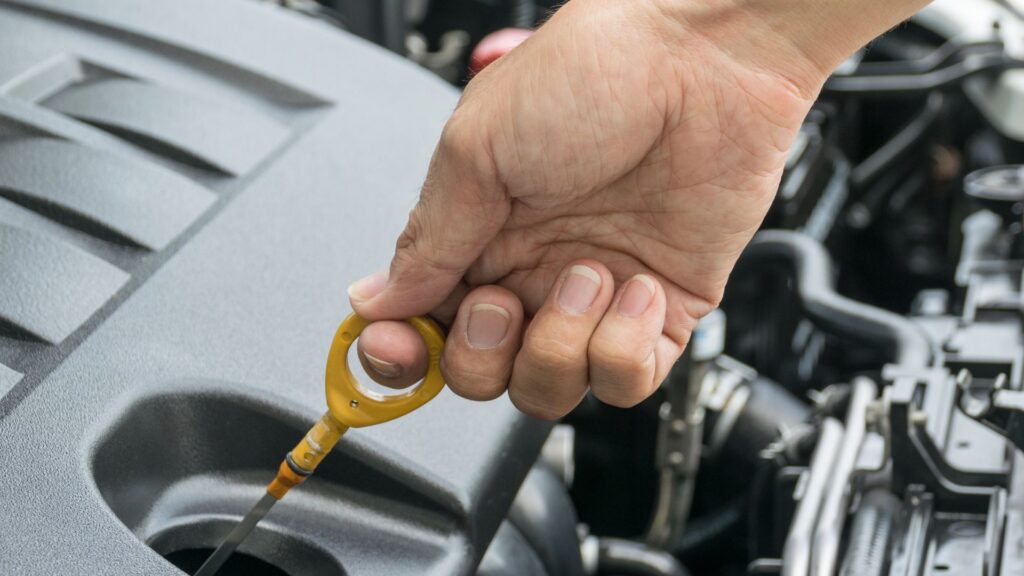
How To Prevent Oil Leaks and Protect Your Engine for the Long Haul You pull out of your driveway and notice a dark stain where your car was parked. That spot on the ground might seem minor, but it could be a sign of something your engine cannot afford to ignore. Oil leaks are one of the most common causes of serious engine problems, and catching them early makes all the difference. Why Engine Oil Leaks Are Such a Big Deal Engine oil is what keeps metal parts from grinding against each other. Without proper lubrication, parts of the engine wear down fast, heat builds up, and you are suddenly looking at major repairs instead of a simple fix. Even a small leak left unchecked can lead to low oil levels, which puts your vehicle’s engine under serious stress. Low oil levels reduce oil pressure and compromise the lubrication that every moving part depends on. That is how a tiny drip turns into a blown gasket or worse. If you are already seeing signs of trouble, understanding what it means if your car is leaking oil is a solid first step. Common Causes of Oil Leaks There is no single source of oil leaks. They can come from several different spots, and knowing the causes of oil leaks helps you stay ahead of them. Worn or Damaged Gaskets Gaskets seal the spaces between engine parts. Over time, gaskets and seals degrade over time due to heat, pressure, and normal wear and tear. A valve cover gasket, for example, sits at the top of the engine and keeps oil inside the valve cover where it belongs. When the valve cover gasket fails, oil can drip down the outside of the engine and eventually reach hot surfaces where oil burning becomes a concern. The head gasket sits between the cylinder head and the engine block. A failing head gasket does not just cause an oil leak – it can also compromise engine compression and cause coolant and oil to mix, which is a serious problem. The oil pan gasket seals the bottom of the oil pan to the engine block. A crack or worn rubber gasket there means oil is slowly dripping from the bottom of the oil pan onto the ground. Faulty Seals Seals are different from gaskets but serve a similar purpose. The rear main seal sits at the back of the engine where the crankshaft exits. When this seal leaks, you will often notice oil collecting underneath toward the rear of the vehicle. A timing cover gasket protects the timing cover and the components behind it, and a leaking timing cover can lead to engine damage if ignored. A valve seal controls how much oil enters the combustion chamber. When it fails, it can cause oil burning and blue exhaust smoke. The Oil Filter and Drain Plug An improperly installed oil filter or a loose drain plug are surprisingly common culprits. After changing your oil, these two points are the easiest places for leaks to start. Always make sure the oil filter is snug and the drain plug is torqued correctly after every oil change. The PCV Valve The PCV valve is part of the crankcase ventilation system. It regulates pressure inside the engine. When it gets clogged or fails, pressure builds up inside the engine and can force oil to leak past seals and gaskets. Replacing a stuck PCV valve is inexpensive and can prevent leaks from developing. How To Prevent Oil Leaks Before They Start If you want to prevent oil leaks, routine care is your first line of defense. Here are the most effective ways to stay ahead of the problem. Stay On Top of Oil Changes Fresh motor oil contains additives that help keep seals and gaskets conditioned. Old oil breaks down and can corrode rubber components over time. Following a consistent oil change schedule is one of the simplest things you can do to protect your engine. Not sure when your next oil change is due? Check out the signs you need an oil change so you do not let it go too long. Check Your Oil Level Regularly Pop the hood every few weeks and check the dipstick. Catching a drop in oil level early tells you that something may be off before it becomes a bigger issue. Motor oil leaks do not always show up as visible drips – sometimes oil burns off slowly without an obvious puddle. Use the Right Oil for Your Engine Using thicker oil in a high mileage or older engine can help slow leaks because thicker oil does not pass through worn seals as easily. There are also high mileage oil formulas with an additive designed to condition aging seals and gaskets. Products like BlueDevil oil stop leak are sometimes used as a temporary measure, but they are not a substitute for fixing the actual problem. Watch for Warning Signs Oil spots on your driveway, a burning smell, or a drop in oil pressure are all red flags. If oil is leaking from somewhere, it will leave clues. Do not wait until the oil light comes on to act. Schedule Routine Preventative Maintenance Seals and gaskets deteriorate over time, especially as mileage adds up. Routine preventative maintenance keeps a trained technician looking at the parts most likely to develop leaks before they fail completely. When To Bring Your Car In for Leak Repair Some leaks you can monitor. Others need immediate attention. If you notice oil spots growing, if your engine is running hot, or if oil is leaking fast enough to drop your level between checks, bring your car in right away. A skilled auto mechanic can clean the area, identify the source of oil leaks, and determine whether a seal, gasket, or other component needs replacing – often without removing the pan or major disassembly. From professional engine repair services to quick lube and oil work, getting the right eyes on the problem early

How To Prevent Oil Leaks and Protect Your Engine for the Long Haul Read More »

How Long Can You Drive With a Bad CV Axle Before It Leaves You Stranded?

How Long Can You Drive With a Bad CV Axle Before It Leaves You Stranded?

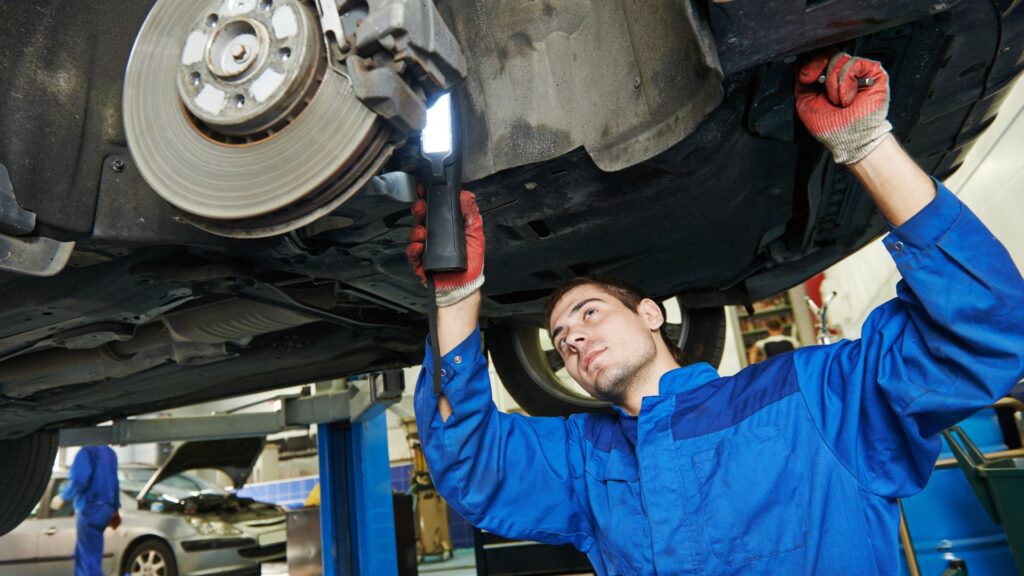
How Long Can You Drive With a Bad CV Axle Before It Leaves You Stranded? If you’ve started hearing a rhythmic clicking when turning or noticed your car vibrating at highway speeds, you might be dealing with a failing CV axle. The big question most drivers ask is simple: how long do I have before this becomes a real problem? The honest answer is that it depends but ignoring it is never a good idea. What Is a CV Axle, Anyway? CV stands for constant velocity. A CV axle is the shaft that transfers power from your transmission to your wheels. It uses a specialized constant-velocity joint, sometimes just called a CV joint, at each end to maintain smooth power delivery even as your suspension moves up and down and your wheels turn left and right. Most front-wheel-drive cars and many all-wheel-drive trucks have inner and outer CV joints on each axle. The outer joint handles steering movement, and the inner joint absorbs the up-and-down motion from your suspension. How Does a CV Joint Go Bad? The most common starting point is a torn boot. The CV boot is a rubber cover that keeps grease inside the joint and dirt out. When that boot cracks or tears, the grease escapes and contaminants get in. Once dirt and moisture mix with a dry joint, wear accelerates quickly. A torn CV boot does not mean instant failure, but it does mean the clock is ticking. Once the joint wears past a certain point, you will start to notice clear warning signs. Warning Signs of a Failing CV Axle Clicking Sound When Turning The most recognized symptom is a clicking sound when turning. You might notice it more on right turns or left turns, or both. This clicking while driving straight at low speed is less common but can happen with a badly worn joint. That clicking is the joint struggling to maintain smooth rotation. The louder and more frequent it gets, the further along the damage is. Vibration While Driving A failing CV joint can also cause vibration in the steering wheel or throughout the vehicle. This tends to become noticeable at higher speeds and can feel similar to the causes of car shaking at high speeds. Do not assume it is a wheel balance issue without checking the axle first. Grease on the Inside of Your Tire or Wheel If you see grease splattered on the inside of your wheel or along the inside of your front end, that is a strong sign of a torn CV boot. The joint is flinging grease as it spins, which means the joint is running dry. Clunking or Grinding As things get worse, you may hear a clunk or grind when accelerating from a stop. In severe cases, a loud pop can occur when the axle finally gives out completely. So, How Long Can You Actually Drive on a Bad CV Axle? This is where drivers want a straight answer. Here is the reality: there is no single number that works for every situation. If you have a torn boot but the joint itself is still in decent shape, you may be able to drive for several weeks or even a few thousand miles before the joint degrades enough to cause major problems. Some people have stretched it to 50 miles, others have pushed past 100 miles without complete failure. But this is not something to count on. If the joint is already clicking consistently, you are in a different situation. At that stage, you are able to limp along for a short time, but catastrophic failure can happen without much warning – especially at highway speeds or on the freeway. When an axle snaps while you are driving, you lose the ability to steer or accelerate, and that is a genuine safety hazard. The short version: do not plan on a bad CV joint lasting a long time once symptoms appear. Get it checked out as soon as possible. Can You Extend the Life of a Failing CV Joint? If the boot is torn but the joint is still quiet, replacing the boot with a new boot and repacking the joint with fresh grease can sometimes extend the life of the joint. However, this only works if the joint has not already started wearing. A mechanic will need to inspect it to make sure a new one is not required. If the joint is already clicking or grinding, replacing the axle assembly is the right move. Trying to just replace the boot at that point is not a reliable fix. Most shops will recommend replacing the whole axle as a single unit rather than rebuilding it piece by piece. For reliable help with this, the team at Newnum and Sons Garage offers professional driveline repair services and will give you an honest assessment before any work begins. What Happens If You Wait Too Long? A completely failed axle does not just leave you stranded, it can cause damage to surrounding components. The shaft can contact the brake rotor, damage the wheel bearing, or even affect your suspension and ball joint area. What started as a simple fix can turn into one of the most common car repairs and maintenance services that runs much higher in cost. You could also end up needing suspension and brake system repairs on top of the axle work. In some cases, transmission damage is possible if the inner joint fails suddenly. That opens the door to expert transmission repair solutions being added to the bill as well. And if the axle fails completely while driving straight on a highway, you may need a tow truck instead of a simple repair appointment. Is It Worth Getting an Inspection Early Enough? Yes, without question. Catching a failing CV joint early enough, before the boot is fully deteriorated, can save you real money and stress. A quick inspection can tell you whether you need a new axle right away or

How Long Can You Drive With a Bad CV Axle Before It Leaves You Stranded? Read More »

Loud Clunk When Shifting From Park To Drive? Here's What It Means And How To Fix It

Loud Clunk When Shifting From Park To Drive? Here’s What It Means And How To Fix It

Loud Clunk When Shifting From Park To Drive? Here’s What It Means And How To Fix It You put the car in drive, and before you even touch the gas, you hear it, a loud clunk that rattles your confidence right along with your vehicle. It might sound alarming, and honestly, sometimes it is. But not always. That clunking noise when shifting out of park is one of the most common concerns drivers bring up. The good news is that the cause is often identifiable, and many of the fixes are straightforward. Let’s walk through what’s actually happening inside your vehicle and what you should do about it. Why You Hear a Clunk When Shifting From Park to Drive The Parking Pawl Is Doing Its Job – Sometimes Too Loudly When you shift into park, a small but strong metal pin called the parking pawl locks the output shaft of your automatic transmission in place. It’s what keeps the car from rolling when the engine is off. When you shift into drive or reverse, that pawl disengages. On a flat surface, this is usually quiet. But parking on a hill changes everything. If you park the car on an incline without using the parking brake first, the full weight of the vehicle presses down hard on the pawl. When you shift into drive, the parking pawl disengaging from that pressure produces a really loud thump or clunk. This is actually a mechanical stress issue, not a transmission issue in most cases. The fix here is simple: set the parking brake before shifting into park. Apply the brake pedal, shift into park, then engage the parking brake so the vehicle is held by the brake system, not the parking pawl. When you leave, release the brake pedal after you’ve shifted into gear. Your transmission will thank you. Worn or Broken Transmission and Engine Mounts Transmission mounts are designed to hold the transmission steady and absorb vibration as the drivetrain moves. Engine mounts do the same for the engine. When these mounts wear out or crack, there’s nothing to cushion the movement when you shift gears. The result is a clunk when shifting that feels like something dropped inside the engine bay – because something basically did move that shouldn’t have. Worn mounts allow the engine and transmission to shift physically when torque is applied, causing that familiar thump. If you notice the clunk is accompanied by other symptoms like shudder during acceleration, vibration at idle, or a clicking noise when you shift from reverse to drive, worn mounts are a likely culprit. A mechanic can inspect mounts visually and physically to check for cracks, tears, or collapsed rubber – often called a bushing failure. Driveline Components: U-Joints, CV Joints, and Axle Shafts Sometimes the clunk isn’t coming from the transmission at all. It’s coming from further down the drivetrain. U-joints, CV joints, and axle shafts all play a role in transferring torque from the transmission to the wheels. When any of these driveline components wear out or become misaligned, shifting from park to reverse or from park to drive can produce a clunk as the drivetrain takes up the slack. This is sometimes called backlash – the slight play between worn driveline parts. On an all-wheel drive vehicle, this can feel especially pronounced. If you hear the clunk most when you shift from park to reverse and then again shifting from reverse to drive, worn u-joints or CV joints are worth investigating. A driveline inspection and repair can identify exactly where the problem lies. Low or Degraded Transmission Fluid Transmission fluid keeps everything inside the transmission lubricated and helps manage hydraulic pressure for smooth gear engagement. When the fluid level is low or degraded, the torque converter and internal components don’t get the hydraulic support they need. The result can be a fairly loud clunk or delay when you shift into drive or reverse. Checking the fluid level and condition is one of the first things to do when diagnosing a clunking sound. If the fluid is dark, burnt-smelling, or the level is low, that’s a clear sign something needs attention. The Gear Selector or Control Arm Bushings Less commonly, the issue can come from a worn gear selector linkage or control arm bushings in the suspension. When these wear down, there’s looseness in the system that creates noise during transitions – like when you put the car in gear from a complete stop. If you’re hearing the clunk mostly in the cabin near the gear stick rather than underneath the vehicle, the selector linkage is worth having checked. If you also notice the steering wheel vibrating or the car may pull slightly when you shift, suspension-related wear could be contributing. What To Do When You Hear the Clunk Start with the easy stuff: Use the parking brake every time you park. Apply the brake pedal, engage the parking brake, then shift into park while the car is held by the brakes, not the pawl. Check your transmission fluid – both the fluid level and its color and smell. Pay attention to when the clunk happens – is it only from park to drive, or also from park to reverse, drive to reverse, or shifting out of park in general? Note any warning lights on the dashboard, especially anything transmission-related. If the clunk persists or gets worse, it’s time for a professional look. Advanced vehicle computer diagnostics can help identify transmission-related fault codes that don’t always trigger a dashboard light. You might also want to review the most common car repairs and services to better understand what kind of work might be involved. For more serious concerns, getting professional transmission repair services early can prevent a manageable repair from becoming a costly overhaul. It’s also worth knowing how long car repairs typically take so you can plan accordingly. Don’t Ignore the Noise: Get Your Transmission Checked A slight clunk when you shift from park to drive isn’t always a crisis,

Loud Clunk When Shifting From Park To Drive? Here’s What It Means And How To Fix It Read More »

7 Front Axle Seal Leak Symptoms You Shouldn't Ignore

7 Front Axle Seal Leak Symptoms You Shouldn’t Ignore

7 Front Axle Seal Leak Symptoms You Shouldn’t Ignore If you’ve noticed a strange spot on your driveway or your vehicle just doesn’t feel quite right, a leaking front axle seal might be the culprit. It’s one of those problems that’s easy to overlook at first but can turn into a costly repair if left alone too long. Knowing what to look for can save you from a much bigger headache down the road. What Does a Front Axle Seal Actually Do? The front axle seal keeps the gear oil or fluid inside your axle housing where it belongs. It wraps tightly around the axle shaft and prevents fluid from seeping out around the seal area. When that seal wears down or gets damaged, fluid starts to leak, and that’s when the trouble begins. Vehicles with four-wheel drive are especially prone to this kind of issue because of the added stress placed on the front axle components. 7 Symptoms of a Leaking Front Axle Seal A Puddle or Drip Under Your Vehicle This is often the first noticeable sign. If you spot a reddish-brown or dark oily puddle pooling on the ground beneath the front of your vehicle, an axle seal leak is a strong possibility. Don’t assume it’s just water. Check the color and consistency; gear oil or axle fluid tends to be thicker and darker than other leaks. Greasy Buildup Around the Wheel Take a look at the inside of your wheel and tire. If you see a greasy or moist film coating the area, fluid may be dripping from a a failing seal and working its way toward the wheel. This kind of leakage can also contaminate your brake shoes if it reaches the brake system, which makes it a safety concern, not just a mechanical one. Low Fluid Level in the Differential or Transmission Another symptom to watch for is an unexplained drop in fluid level. If you or your mechanic notice the transmission or differential fluid level keeps dropping, a slow seal leak could be the cause. A leaky seal won’t always pour fluid out fast. Sometimes it just allows a slow, steady drain over time. Whining or Humming Noise While Driving When an axle seal is leaking, and the diff runs low on lubrication, the gears inside the differential housing start to wear unevenly. That friction can create a whining or humming noise that gets louder as you accelerate. If you hear this noise and it seems to come from the front drivetrain area, get it checked as soon as possible. Visible Wetness Around the Axle Shaft Seal A visual inspection can reveal a lot. If you or a technician lift the vehicle using jack stands, it becomes much easier to spot wetness or residue around the axle shaft seal. Even a small amount of seepage around the seal is worth addressing before it gets worse. Vibration or Handling Changes Front axle seal failure can sometimes allow fluid to reach the CV joint or affect the suspension and drivetrain components. This may cause subtle vibrations or a shift in how the vehicle handles during turns. If you’ve noticed your car pulling or feeling less stable, a compromised seal might be part of the issue. You’ll also want to rule out problems that might require suspension and brake system repairs at the same time. Burning Smell While Driving When transmission fluid or gear oil leaks onto hot components, it can overheat and burn. If you catch a faint burning smell while driving and can’t trace it to an obvious source, this is worth investigating right away. This symptom, combined with any of the others above, suggests the severity of the seal failure may be more serious than it first appears. What Happens If You Ignore It? Ignoring an axle seal leak doesn’t just risk a messy driveway. Over time, you may face differential or transmission damage that requires a full rebuild or component replacement, far more expensive than a simple seal replacement. Understanding what it means when your car is leaking oil can help you recognize early warning signs before they escalate. If your axle seal is leaking, it’s also smart to have your technician inspect the pinion seal, diff cover gasket, and any nearby bolt connections for additional leakage points. A thorough check can prevent multiple problems from compounding. For issues that go beyond a single seal, the team at Newnum and Sons Garage offers professional driveline repair services and expert transmission repair services to get your vehicle back in solid shape. Staying ahead of these repairs is also much easier with routine preventative maintenance services that catch small issues before they need to be replaced or fixed immediately. Conclusion A front axle seal leak is the kind of problem that starts small but gets expensive fast. If you recognize any of these seven symptoms, don’t wait to have it looked at.  At Newnum and Sons Garage in Covington, IN, the team is ready to inspect your vehicle, give you an honest diagnosis, and walk you through your options. Call us at 765-793-3334 to schedule your appointment today.

7 Front Axle Seal Leak Symptoms You Shouldn’t Ignore Read More »

7 Rear Axle Seal Leak Symptoms You Shouldn't Ignore

7 Rear Axle Seal Leak Symptoms You Shouldn’t Ignore

7 Rear Axle Seal Leak Symptoms You Shouldn’t Ignore Your vehicle talks to you. Sometimes it’s a sound, sometimes a smell, and sometimes it’s a puddle under your truck that tells you something is wrong. A rear axle seal leak is one of those problems that’s easy to overlook early on, but can escalate into a costly repair if you wait too long. Here’s what to watch for. What Does a Rear Axle Seal Do? The axle seal keeps differential fluid contained inside the axle housing. It wraps around the axle shaft and forms a tight rubber barrier that prevents gear oil from escaping. When that seal wears out or gets damaged, fluid starts to seep out, and things go downhill from there. If you’re wondering what it means when your car is leaking oil or fluid, it’s worth understanding what it means if your car is leaking oil before assuming it’s a minor issue. 7 Signs Your Rear Axle Seal Is Leaking Oily Residue Near the Wheel or Tire One of the first signs is an oily film or drip near the inside edge of the rear wheel. You might notice a wet spot behind the tire or a dark stain on your driveway. This is often gear oil leaking past the wheel seal. Low Differential Fluid Levels If a mechanic checks your axle or differential during a routine inspection and finds the fluid is leaking or lower than it should be, a worn seal is often the culprit. Don’t ignore this. Low differential fluid leads to increased friction and heat inside the housing, which damages gears and bearings quickly. Whining Noises from the Rear Axle A leaking axle seal doesn’t just cause an oil leak. It also starves the axle bearing of lubrication. When the axle bearing runs dry, you’ll start hearing whining noises or a grinding sound coming from the rear of the vehicle. In severe cases, the bearing can seize completely. Vibration While Driving Bearing damage caused by a seal leak can also show up as abnormal vibration through the floor or rear of the car. This vibration tends to get worse at higher speeds and shouldn’t be dismissed as a tire or wheel balancing problem. Brake Contamination This one is serious. When axle fluid leaks past the backing plate and into the brake drum, it contaminates the brake shoes and friction material. This is called brake contamination, and it dramatically reduces braking performance. If you notice your rear brakes feel soft or uneven, get them inspected promptly. For help with this, check out Newnum and Sons Garage’s suspension and brake system repairs. Smell of Burning Gear Oil Leaking gear oil that hits a hot axle housing or exhaust component will burn and produce a distinct smell. If you notice something mechanical and sharp coming from the rear of your truck after driving, that could be axle fluid burning off a hot surface. Visible Metal Particles or Metal Debris In advanced cases, you might find metal particles or metal debris in the fluid that drains out. This is a sign that the gears and bearings inside have already started to wear abnormally. At this stage, replacing the seal alone may not be enough. What Happens If You Ignore a Rear Axle Seal Leak? Letting a rear axle seal leak go unchecked is a bad idea. The differential can overheat, gear teeth can wear prematurely, and in the worst cases, the axle can seize. What might have been a simple seal replacement turns into a much larger job with far higher repair costs. Heavy loads and high mileage can cause axle seals to wear faster, especially on trucks and older vehicles that see regular towing or hauling. Debris and humidity can also degrade the rubber seal over time. How Is a Rear Axle Seal Fixed? A technician will disassemble the axle end, remove the old seal, inspect the axle bearing for damage, and install new seals. Sometimes the axle bearing needs to be replaced as well. If there’s brake backing plate contamination, the brake drum and brake shoes may need attention too. For more context on what this kind of job involves, browse the most common car repairs explained. Newnum and Sons Garage offers professional driveline repair services and comprehensive auto repair services to handle exactly this kind of auto problem from inspection to installation. Conclusion A rear axle seal leak might start as a small drip, but it can quickly become a serious mechanical issue. If you’re seeing any of these symptoms, don’t wait. Bring your vehicle into Newnum and Sons Garage in Covington, IN, and let their experienced technicians take a look.  Early detection saves money, protects your braking system, and keeps your vehicle reliable. Call 765-793-3334 or visit newnumsgarage.com to schedule your inspection today.

7 Rear Axle Seal Leak Symptoms You Shouldn’t Ignore Read More »

Differential Grinding Noise: Causes, Fixes, and When to *Actually* Worry

Differential Grinding Noise: Causes, Fixes, and When to *Actually* Worry

Differential Grinding Noise: Causes, Fixes, and When to *Actually* Worry That grinding noise coming from under your vehicle is hard to ignore. It can start as a faint hum, grow into a noticeable growl, and eventually become a sound that makes every trip feel like a gamble. If the noise seems to be coming from the middle or rear of your vehicle, your differential could be the source of the problem. Understanding what the differential does, why it makes noise, and what to do about it can save you from a costly breakdown down the road. This guide breaks it all down in plain language. What Does the Differential Actually Do? The differential is a set of gears that allows your wheels to spin at different speeds. This matters most when you turn a corner: the outer wheels need to travel farther than the inner wheels, so they have to spin faster. The differential makes that possible without causing your tires to drag, skip, or fight each other. Most rear-wheel-drive vehicles have a differential at the back axle. All-wheel-drive and four-wheel-drive vehicles typically have one at both axles, and sometimes a center differential as well. Front-wheel-drive vehicles use what is called a transaxle, which combines the transmission and differential functions into a single unit. When the differential is working correctly, you probably never think about it. When it starts to fail, you notice it fast. What Does a Differential Grinding Noise Sound Like? Differential noises can vary, but a grinding noise typically sounds like metal rubbing or scraping against other metal. You might also notice it described as a rumble, a howl, or a whine, depending on the stage of wear. Some drivers notice the noise only at certain speeds. Others hear it constantly. In some cases, the grinding only shows up during turns, which is a strong indicator that the differential is involved rather than another component. Here are some common sound patterns to pay attention to: Grinding during turns often points to worn spider gears inside the differential Constant grinding or rumbling – may indicate worn bearings Whining that changes with speed – often linked to ring and pinion gear wear Clunking when accelerating or decelerating – could suggest gear backlash or worn U-joints These patterns are not universal, and many drivetrain components can mimic differential sounds. That is why a proper diagnosis matters more than guessing. Common Causes of a Differential Grinding Noise Low or Contaminated Differential Fluid This is the most common cause of differential noise, and it is also the most preventable. Differential fluid lubricates all the gears and bearings inside the housing. When the fluid level drops due to a leak or when the fluid breaks down over time, metal parts start grinding against each other without adequate protection. Differential fluid does not last forever. Over time, it becomes thick, dark, and less effective. If it has never been changed on your vehicle, there is a good chance it is due or overdue. Worn Bearings Bearings support the rotating shafts inside the differential. When they wear out, you typically hear a rumbling or grinding noise that may change in pitch or volume as your speed changes. Bearing failure can happen gradually, but once it starts, it usually gets worse quickly. Driving on worn bearings puts stress on everything around them, including the ring and pinion gears. What starts as a bearing problem can turn into a much larger repair if it is not addressed early. Ring and Pinion Gear Wear The ring and pinion gears are the primary gears inside the differential. They transfer power from the driveshaft to the axles. These gears are precision components, and when they wear unevenly or sustain damage, they produce a whining or grinding sound. Ring and pinion wear is sometimes caused by poor lubrication, but it can also result from aggressive driving habits, off-road use, or towing loads beyond the vehicle’s rated capacity. Worn or Damaged Spider Gears Spider gears are the small gears inside the differential that allow each wheel to rotate at a different speed. When they wear out, you may notice grinding or clunking, specifically when making turns. This happens because the spider gears are under the most stress during cornering. Spider gear damage is more common in vehicles that have been used for towing or have experienced repeated hard acceleration. Damaged U-Joints or CV Joints While not technically part of the differential itself, worn universal joints (U-joints) or constant velocity joints (CV joints) can produce grinding and clunking sounds that feel like they are coming from the differential. These joints connect the driveshaft to the differential or axle, and they wear out with mileage and use. If your vehicle’s grinding noise gets worse during acceleration or comes with vibration, the joints are worth inspecting along with the differential. Is It the Differential or Something Else? Differential grinding noises are easy to confuse with other drivetrain and suspension problems. Here is a quick breakdown of what else could be causing the noise: Wheel bearings produce a rumbling or humming noise that often changes when you shift your weight side to side while driving. The sound typically comes from one side of the vehicle rather than the center. Brake issues can cause grinding that feels similar, but brake-related grinding is usually more prominent when you apply the brakes rather than during freeroll. Transmission problems sometimes produce grinding or whining sounds, especially during acceleration or gear changes. If you suspect this, it is worth having the transmission inspected to rule out transmission-related causes before focusing on the differential. CV axle wear can also create grinding and clunking, especially during sharp turns at low speeds, which can feel similar to a differential issue in front-wheel-drive vehicles. The safest approach is to have the vehicle inspected by a technician who can trace the noise to its actual source. How Serious Is a Differential Grinding Noise? The short answer: it depends on how long you wait to address

Differential Grinding Noise: Causes, Fixes, and When to *Actually* Worry Read More »

What Causes Driveshaft Vibration and How to Fix It Fast

What Causes Driveshaft Vibration and How to Fix It Fast

What Causes Driveshaft Vibration and How to Fix It Fast You’re cruising down the highway, and suddenly your floorboard starts buzzing, your seat shakes, and something just feels off. That unsettling rumble is often driveshaft vibration, and it’s one of those problems that tends to get worse, not better, if you ignore it. The good news is that once you understand what’s causing it, the fix is usually straightforward. Let’s break it down. What Is a Driveshaft and What Does It Do? The driveshaft is the rotating tube that transfers power from your transmission to your differential, which then sends that power to your wheels. In rear-wheel-drive cars and trucks, it’s a critical link in the drivetrain. In four-wheel-drive vehicles, a transfer case splits power between the front and rear axles using multiple driveshafts. When the driveshaft is installed correctly and everything is balanced, you won’t feel a thing. When something goes wrong, your vehicle will let you know. Common Causes of Driveshaft Vibration Worn or Failing U-Joints The universal joint, also called a u-joint or cardan joint, connects the drive shaft to the transmission output shaft and the differential yoke. These joints allow the shaft to move up and down with your rear suspension while still spinning smoothly. When a u-joint wears out, it develops play in the yoke ears. This causes the driveshaft to wobble as it spins, producing a vibration that pulses twice per revolution of the shaft. You might also hear a clunking noise during acceleration or deceleration. Replacing worn u joints is one of the most common driveline repairs a shop will perform. Missing or Broken Balance Weights Driveshafts are precision-balanced from the factory using small weights welded to the driveshaft tube. If one of those balance weights falls off, or if broken tack welds allow a weight to shift, the shaft becomes uneven. Think of it like a tire that’s out of balance. The heavier side rotates faster through its arc, and the whole assembly starts to vibrate. This type of vibration is often called transverse vibration, and it typically gets worse as speed increases. A shop can rebalance the shaft by attaching new weights to the correct position along the rotating centerline. Damaged or Dented Shaft Tube Even a small dent in the middle of the tube can throw off the driveshaft’s balance and cause vibrations you’ll feel through the floor. Road debris, a curb strike, or damage to the driveshaft from bottoming out can all do this. Sometimes the damage is obvious; other times it takes a close inspection to spot a kink or deformation. If there’s significant damage to the shaft, replacement is usually the safest call. A bent or dented tube can fail due to critical speed issues, where vibration causes the driveshaft to flex uncontrollably at high rotational velocity. Worn Slip Yoke or Slip Joint The slip yoke or slip joint allows the driveshaft to change length slightly as your suspension moves. Over time, the slip splines inside this joint wear down. When that happens, the driveshaft can develop a wobble or kink at the transmission end. This often shows up as a vibration that appears during light throttle or when you shift into overdrive. Misaligned Driveline Angles Every driveshaft operates at an angle. There are correct driveline angles designed to keep the velocity of rotation consistent from one end to the other. When those angles are wrong, usually because of a suspension lift, a collapsed mount, or rear-end sag, the joints and the driveshaft experience uneven torque loads. Misaligned angles are particularly tricky because the vibration caused can mimic other problems. Shops use special tools to measure the operating angle at each end of the shaft and bring them back into phase with each other.  If you’ve recently had suspension or rear suspension work done and now feel a buzz, this could be the culprit. It’s also worth reading more about the causes of car shaking at high speeds to rule out other contributing factors. CV Joint Wear Some vehicles use a constant velocity (CV) joint instead of a traditional U-joint setup. These joints keep rotating smoothly across a wider range of angles, but they wear out too. A failing CV joint often produces a vibration that changes under load or during turns. How to Diagnose Drive Shaft Vibrations Most shops start by test-driving the vehicle and noting exactly when the vibration problems appear. Does it happen at 60 mph? Only under acceleration? Does it go away at certain speeds? From there, a technician will inspect the driveshaft visually, check for play in every u-joint and flange connection, look for missing balance weights, and measure driveline angles. Advanced vehicle computer diagnostics can also help identify whether something loose in another system is causing the vibration rather than the shaft itself. If the driveshaft is rotating correctly but vibration persists, they may also check the pinion yoke, the differential, or even the transmission for related issues. Professional transmission repair can sometimes resolve vibrations mistakenly blamed on the driveshaft. When Should You Get It Checked? If you notice a vibration that gets worse with speed, clunking during gear changes, or a shudder during acceleration, don’t wait. A driveshaft spinning out of balance puts stress on every connected component. Poor driveline angles can accelerate wear on u-joints, axle seals, and even your brakes. Check out the available suspension and brake repair options if you suspect related wear. You can also explore the full range of driveline repair services to understand what a complete inspection covers. Conclusion Driveshaft vibration is not something to push through or ignore. Whether it’s a worn universal joint, missing balance weights, a damaged shaft tube, or misaligned driveline angles, each cause has a clear solution when caught early.  The team at Newnum and Sons Garage in Covington, IN, is ready to diagnose the problem honestly and get your vehicle back to running smoothly. Call 765-793-3334 or visit newnumsgarage.com to schedule your inspection today.

What Causes Driveshaft Vibration and How to Fix It Fast Read More »

CV Joint Clicking When Turning? Here's What It Means and How to Fix It

CV Joint Clicking When Turning? Here’s What It Means and How to Fix It

CV Joint Clicking When Turning? Here’s What It Means and How to Fix It If you hear clicking when you make a turn, your car is trying to tell you something. That sound is not random, and it is not something to ignore. In most cases, a clicking noise while turning points directly to a problem with your CV joint, and the sooner you address it, the better. What Is a CV Joint and What Does It Do? CV stands for constant-velocity. A CV joint is part of the axle assembly that transfers power from the transmission to the wheels while allowing the axle shaft to flex and rotate at different angles. This is what makes it possible to steer smoothly without losing torque or power to the wheels. Most front-wheel-drive vehicles rely heavily on these joints. The outer joints handle the sharpest angles, which is why they tend to wear out first, especially during sharp turns. Why Is There a Clicking Sound When Turning? The most common cause of a clicking sound when turning is a worn or damaged CV joint. When the joint loses proper lubrication, it cannot transfer torque smoothly, and that is when the clicking or popping starts. Here is what typically happens. The protective boot around the joint, called the CV boot, can crack over time, allowing grease to escape. Without grease on the inside of the joint, metal parts grind against each other. That grinding is what creates the noticeable clicking or knocking sounds you hear. A CV joint clicking issue gets louder as the damage progresses. At first, it may only be a faint sound when turning your vehicle at low speed. Over time, it can become a constant and unsafe noise even during normal driving. Common Signs of a Failing CV Joint Knowing the signs of a failing CV joint can save you from a more expensive repair down the road. Beyond the clicking noise itself, here are other warning signs to watch for: Vibration while driving – A failing CV joint can cause vibration that is felt through the steering wheel, especially when you accelerate. Grease leaks near the tire – If you notice grease on the inside edge of your tire or wheel, it likely means the boot has torn, and grease is escaping. Clunking during acceleration – A bad CV joint may produce knocking sounds when you accelerate from a stop, as the joint struggles under torque load. Difficulty steering smoothly – A worn CV joint can affect how your car responds when you steer, making handling feel loose or unpredictable. If you are also experiencing shaking at higher speeds, it could point to related drivetrain issues. Learn more about why your car shakes at high speeds to understand the full picture. Can You Drive With a Clicking CV Axle? Technically, you can drive on a failing CV axle for a short period, but it is not recommended. The joint will continue to deteriorate, and if it fails completely, you could lose control of your vehicle. A broken half shaft can leave you stranded and cause damage to surrounding suspension and drivetrain components. The clicking noises when turning are a clear indication that the joint needs replacement sooner rather than later. How Is a CV Joint Repaired? A skilled technician will inspect the axle shaft, boot, and joint to determine the extent of the damage. In many cases, if the boot is the only issue and the joint itself shows no internal damage, a boot replacement may be enough. If the joint is worn or the entire CV axle is compromised, a full axle replacement using OEM-quality parts is the right call. For professional driveline repair services or a suspension and brake system inspection, the team at Newnum and Sons Garage is ready to diagnose and repair the issue properly. Regular inspections are the best way to prevent small problems from becoming big ones. Routine maintenance that includes checking the CV boot and axle for signs of wear is one of the most common car repairs and fixes covered in our guide to the most common car repairs and fixes. For a full look at everything we handle under one roof, explore our comprehensive auto repair services. Conclusion A clicking sound when turning is not just annoying; it is a warning sign you should not put off. A failing CV joint affects how your vehicle transfers power, handles corners, and keeps you safe on the road. The earlier you catch it, the simpler and less costly the fix.  If you hear clicking and want a straight answer, bring your vehicle to Newnum and Sons Garage in Covington, IN. Call us at 765-793-3334 and let our team take a look before it gets worse.

CV Joint Clicking When Turning? Here’s What It Means and How to Fix It Read More »

10 Common Check Engine Light Causes You Shouldn't Ignore

10 Common Check Engine Light Causes You Shouldn’t Ignore

10 Common Check Engine Light Causes You Shouldn’t Ignore That orange light on your dashboard can make your stomach drop. Is it serious? Can you keep driving? Should you pull over right now? The check engine light is one of the most misunderstood warning signals in any vehicle, and ignoring it is rarely a good idea. The truth is, the check engine light may indicate something as simple as a loose gas cap or something far more serious hiding under the hood. Either way, your car is trying to tell you something. This guide breaks down the 10 most common reasons your check engine light turns on, so you know exactly what you might be dealing with. What Does the Check Engine Light Mean? Your vehicle uses an onboard diagnostics system to monitor dozens of engine and emission control components. When one of those components sends a signal outside its normal range, the computer triggers the check engine light on your dashboard. Sometimes the check engine light comes on steadily. Other times, it may flash. A flashing check engine light is a signal that something more urgent is happening, usually a misfire that could cause engine damage if left unaddressed. If the light is flashing while the car is driving, it is best to reduce speed and get to a shop as soon as possible. Not sure why your check engine light comes on and off intermittently? That pattern often points to an issue that is developing but not yet constant. You can read more about why your check engine light comes on and off to better understand what that behavior means. 10 Common Causes of the Check Engine Light Loose or Damaged Gas Cap One of the most common reasons the check engine light turns on is surprisingly simple: a loose gas cap. The gas cap seals the fuel tank and keeps fuel vapors from escaping into the atmosphere. When it is loose, cracked, or missing, the emission control system detects a pressure drop and triggers the light. Tightening the gas cap is the first thing to check when the light comes on. If the light does not go away after a day or two of driving, the cap itself may be faulty and need replacing. A new gas cap is one of the cheapest fixes you will find. Failing Catalytic Converter The catalytic converter is part of your exhaust system and is responsible for converting harmful gases like carbon monoxide into less harmful emissions before they exit through the exhaust pipe. When it starts to fail, your car may experience poor engine performance, reduced fuel efficiency, and a noticeably worse smell from the exhaust. A failing catalytic converter is not a minor issue; it can cause serious long-term damage if ignored. Most catalytic converter failures are caused by underlying problems like faulty spark plugs or a bad oxygen sensor, so getting a full diagnosis matters. Faulty Oxygen Sensor The oxygen sensor monitors how much unburned oxygen is in your exhaust gas and helps the engine computer balance the air-fuel ratio. A faulty oxygen sensor can lead to reduced fuel efficiency, increased emissions, and engine performance problems over time. Most vehicles have two or more oxygen sensors. If one fails, the check engine light will turn on and store an error code. Replacing a bad oxygen sensor promptly helps protect other components like the catalytic converter from early wear. Faulty Spark Plugs or Ignition Coils Faulty spark plugs are a surprisingly common cause of the check engine light turning on. Spark plugs ignite the fuel mixture inside the combustion chamber, and when they wear out or fail, you may notice a misfire, rough idle, or sluggish acceleration. The check engine light may flash during a misfire to alert you that internal engine stress is occurring. Ignition coils work alongside the spark plugs as part of the ignition system. A bad ignition coil can cause the same symptoms. Replacing spark plugs on schedule is one of the simplest ways to avoid unexpected engine repairs. If you are noticing any of these symptoms, check out the common signs your car needs a tune-up for a broader look at what your vehicle might need. Mass Airflow Sensor Failure The mass airflow sensor measures how much air enters the engine so the computer can deliver the right amount of fuel. When the mass airflow sensor malfunctions, the engine may run too rich or too lean, leading to the check engine light coming on along with poor engine performance and reduced fuel economy. Dirt and debris are the most common causes of mass airflow sensor failure. Replacing the air filter on schedule helps extend the life of this sensor and keeps airflow clean and accurate. Vacuum Leak Your engine relies on a network of hoses to manage pressure and airflow throughout the fuel system and intake. A vacuum leak happens when one of those hoses cracks, disconnects, or deteriorates. When unmetered air enters the engine through a leak, it throws off the air-fuel ratio and can trigger the check engine light. Symptoms of a vacuum leak include a rough idle, hissing sounds from the engine bay, and erratic RPMs. Diagnosing a vacuum leak can be tricky since the hoses are often tucked out of sight, which is why professional diagnostic tools make a real difference here. Exhaust Gas Recirculation Valve Malfunction The exhaust gas recirculation (EGR) valve reduces harmful emission levels by routing a portion of exhaust gas back into the intake manifold. When this valve gets clogged or fails, it can cause engine knocking, rough idling, and increased emissions, all of which can trigger the check engine light. EGR valve issues often require cleaning or replacement. Ignoring this malfunction can negatively affect fuel efficiency and cause the vehicle to fail an emissions inspection. Dead or Weak Battery A weak or failing battery can cause various issues that set off the check engine light. The vehicle’s computer and sensor systems depend on a

10 Common Check Engine Light Causes You Shouldn’t Ignore Read More »

Schedule

Schedule Your Appointment Today

Your Automotive Repair & Maintenance Service Specialist

What Our Customers Say

Privacy Policy
Manage Consent Preferences
Do Not Share My Information | Conditions of Use | Notice and Take Down Policy | Website Accessibility Policy
© 2026 The content on this website is owned by us and our licensors. Do not copy any content (including images) without our consent.