Blog

Your blog category

What Does a Bad U-Joint Sound Like? Warning Noises You Shouldn't Ignore

What Does a Bad U-Joint Sound Like? Warning Noises You Shouldn’t Ignore

What Does a Bad U-Joint Sound Like? Warning Noises You Shouldn’t Ignore If your vehicle has started making strange sounds you can’t quite place, the u-joint might be the culprit. Most drivers don’t think about u-joints until something goes wrong, but catching the warning signs early can save you from a much bigger repair down the road. What Is a U-Joint and What Does It Do? A u-joint, short for universal joint, connects your driveshaft to the transmission and differential, allowing power to flow smoothly to your wheels even as the drivetrain moves up and down. On trucks and four-wheel drive vehicles, these joints take on a lot of stress. Over time, wear, rust, and lack of lubrication cause them to degrade. What Does a Bad U-Joint Sound Like? This is the question most drivers are asking, and the answer depends on how far along the damage has progressed. Clunking or Banging Noise One of the earliest and most common symptoms of a bad u-joint is a loud clunking sound when you shift into drive or reverse. The clunking or banging tends to be most noticeable when the vehicle first starts moving, especially when transitioning between gears. Worn u-joints are often a contributing cause of car shaking at high speeds. Squeaking Sound at Low Speeds A squeaking sound, especially at lower speeds, is another symptom of a failing u-joint. This noise often comes from dry bearing caps that have lost their grease due to corrosion or poor maintenance. Metal rubbing against metal is never a good sign, and it tends to get louder as the joint continues to wear. Vibration While Driving Vibration that gets worse at higher speeds is a common indicator of bad U-joints. When a joint starts to fail, the driveshaft can no longer rotate smoothly, causing the entire vehicle to vibrate. This is different from a tire balance issue, so if the problem feels like it is coming from underneath the car rather than the steering wheel, the driveline deserves a close look. You can learn more about common car repairs and maintenance to see how these problems connect. Other Signs of U-Joint Failure Beyond sound and vibration, visible rust on the joint, excessive play in the driveshaft, or a loose feeling in the rear of the vehicle can all indicate that your u-joints may be overdue for inspection. On 4WD vehicles, a failing joint near the transfer case can cause drivetrain binding or unusual behavior during turns. Bad u-joints do not always announce themselves dramatically. Sometimes the damage builds gradually until a component fails entirely. Why U-Joints Fail U-joints fail most commonly due to lack of lubrication, exposure to dust and moisture, or simple age-related wear. Replacing a u-joint with a quality kit and proper grease is straightforward when caught early. Delaying replacement risks driveshaft damage and a much more expensive repair. For deeper drivetrain concerns, our team also offers expert transmission repair and diagnostics to keep your vehicle running right from engine to axle. Conclusion Do not ignore unusual sounds coming from beneath your vehicle. A clunking sound, a persistent squeak, or an unexplained vibration could all point to a bad u-joint in need of attention. The team at Newnum and Sons Garage in Covington, IN, is ready to inspect your vehicle and give you a straight answer. Reach out to a trusted mechanic before a small joint problem turns into a full driveline failure. Call us at 765-793-3334 or learn more about our professional driveline repair services today.

What Does a Bad U-Joint Sound Like? Warning Noises You Shouldn’t Ignore Read More »

Why Your Steering Wheel Clicks When Turning and What to Do About It

Why Your Steering Wheel Clicks When Turning and What to Do About It

Why Your Steering Wheel Clicks When Turning and What to Do About It That click coming from your steering wheel when you turn can range from mildly annoying to genuinely alarming. Whether it’s a single click at low speed or a rhythmic clicking sound every time you turn the wheel, your car is trying to tell you something. The good news is that most of the common causes are diagnosable and fixable – you just need to know where to look. What Does It Mean When Your Steering Wheel Clicks? A clicking noise when turning is not something to ignore. It’s a sign that something in your steering or suspension system is worn, loose, or low on fluid. Left unaddressed, a small click can turn into a much bigger and more expensive problem. The sound when turning can vary. Some drivers hear a clicking or popping noise. Others describe it as a clicking or knocking sound that gets louder during sharp turns. The location and timing of the noise matter a lot when diagnosing the issue. Common Causes of a Clicking Noise When Turning There is no single answer here. A clicking noise when turning the steering wheel can come from several different places on the vehicle. Here are the most likely culprits. CV Joint Wear The CV joint – short for constant velocity joint – is one of the most common causes of a clicking sound when turning. The CV joint connects the axle to the front wheel and allows power to transfer smoothly while the suspension moves up and down. When a failing CV joint loses its grease due to a torn boot or just normal wear, it starts to make a clicking or popping noise, especially during turns. You will often hear a clicking sound when you turn the wheel sharply at low speed, like when pulling into a parking spot. If you hear a clicking or popping that gets worse as you turn harder, a failing CV joint is usually the first thing to inspect. Replacing a CV joint or the axle shaft is a straightforward job for a professional technician, and catching it early prevents damage to other suspension components. Steering Column Issues The steering column is the mechanical link between your steering wheel and the rest of the steering system. Inside the column, there are bearings, joints, and in some vehicles, a steering shaft that can wear over time. Column bearings can produce clicking noises when they dry out or become damaged. You might hear a clicking sound when turning your steering wheel from left to right at low speed, almost like something is catching inside the column. Steering column issues can also affect the steering wheel controls if the problem is near the end of the steering column where the clockspring sits – a component connected to airbag and audio controls. If something in your steering feels stiff or you hear a noise when you turn that seems to come from behind the dashboard, the steering column deserves a close look. Low or Dirty Power Steering Fluid If your vehicle uses hydraulic power steering, low power steering fluid or dirty power steering fluid can cause noises when turning the steering wheel. The power steering pump relies on clean hydraulic fluid to keep the steering rack and steering gear operating smoothly. Low or contaminated fluid creates air pockets inside the system, which can cause clicking, whining, or groaning sounds when you turn the steering wheel, especially at lower speeds. Stiff steering is another warning sign that something is off with the power steering system. Checking the fluid level is easy, but if the fluid looks dark or gritty, a flush and refill is the better move. Low fluid can also point to a leak somewhere in the system, which should be found and repaired before it damages the steering pump, rack, or other steering gear components. Worn Suspension Components Your suspension system does more than just smooth out bumps. It keeps your tires in contact with the road and directly affects steering control. When suspension components like ball joints, struts, or tie rods wear out, they can cause clicking, clunking, or a popping noise when turning. A bad ball joint or worn tie rod can make a clicking noise when you turn the wheel, particularly during slow maneuvers. You might also notice uneven tire wear or a pull to one side – both signs that the suspension system needs attention. These parts bear a lot of stress, especially on rougher roads, and they do not last forever. Ignoring worn suspension components can affect steering and brake performance, which puts both the vehicle and driver at risk. If you suspect this is the issue, it is worth having the full steering and suspension checked together. Wheel Bearing Problems A bad wheel bearing can cause a clicking or knocking noise that changes with speed and steering input. Unlike a CV joint, which tends to be loud during sharp turns at low speed, a failing wheel bearing often produces a humming or grinding sound that gets worse when you turn the wheel in one direction – such as turning left – at highway speeds. Wheel bearings are a safety component. When they fail, the front wheel can become unstable, which directly affects brake performance and automobile handling. If you hear a clicking sound when you turn, along with a rumble or vibration, have the wheel bearing checked immediately. For more on what causes unusual vibrations and noise from your vehicle, read our article on the causes of a car shaking at high speeds. How to Tell Which Problem You Have Not every click sounds the same, and the situation in which it happens gives you a lot of clues. Clicking at low speed during sharp turns – likely a failing CV joint Clicking or popping noise when turning at any speed with a stiff steering wheel – points to low or dirty power steering fluid Noise

Why Your Steering Wheel Clicks When Turning and What to Do About It Read More »

Tire Balancing vs Alignment: What Your Car Really Needs

Tire Balancing vs Alignment: What Your Car Really Needs

Tire Balancing vs Alignment: What Your Car Really Needs Your tires are doing a lot of work. Every mile you drive puts wear and tear on them, and over time, small imbalances or alignment issues can turn into big problems. But here is where a lot of drivers get confused: tire balancing and wheel alignment are not the same thing. Knowing the difference between tire balance and alignment could save you money, protect your tires, and make your ride a whole lot smoother. Let us break it all down in plain language. What Is Tire Balancing and Why Does It Matter? Tire balancing corrects the uneven distribution of weight around your tire and wheel assembly. When a tire is mounted onto a rim, the weight is rarely perfectly even all the way around. Even small variations can cause your car to vibrate at higher speeds. Here is how it works: a technician mounts your wheel and tire assembly onto a tire balancing machine. The machine spins the tire and wheel together to detect where the weight is off. Then small weights are added to the rim to even things out. Signs Your Tires May Need Balancing One of the clearest signs of an unbalanced tire is vibration. You might feel vibrations in your steering wheel, through your seat, or even in the floorboards. This tends to get worse the faster you drive. That’s why we wrote about why cars shake at high speeds – it’s a problem worth understanding. Other signs include: Uneven tire wear on specific spots of the tread A steering wheel that shakes at highway speeds Reduced fuel efficiency due to extra rolling resistance Regular tire balancing helps prevent these issues before they become costly. The benefits of tire balancing go beyond comfort – they include longer tire life and better fuel economy. Prolonging tire life means getting more value out of every tire you buy. How Often Should You Balance Your Tires? Most mechanics recommend balancing your tires every 5,000 to 6,000 miles, or whenever you notice something feels off. It is also smart to schedule balancing with every tire rotation. If you have had a flat tire repaired or replaced a tire recently, that new tire will need balancing too – even brand-new tires are not always perfectly balanced from the factory. What Is Wheel Alignment and How Is It Different? While tire balancing deals with weight distribution around the tire, wheel alignment refers to the angles at which your tires make contact with the road. Proper wheel alignment ensures your tires are all pointing in the correct direction relative to each other and to your vehicle’s frame. Alignment involves adjusting the car suspension – specifically the angles of the wheels – so that your vehicle drives straight and handles predictably. A four-wheel alignment checks and adjusts all four wheels, while a front-end alignment only addresses the front axle. The Difference Between Wheel Alignment and Tire Balance The key difference between tire balance and wheel alignment comes down to this: balancing fixes vibration caused by uneven weight, while alignment fixes the direction your tires point. They address different problems, but both directly affect how your car drives and how long your tires last. Improper wheel alignment causes your tires to drag slightly instead of rolling cleanly. This leads to premature tire wear, reduced fuel efficiency, and handling problems. Alignment affects everything from your steering response to how evenly your tire tread wears down over time. Signs You Need a Wheel Alignment Alignment problems often sneak up on you gradually. Common signs that it is time for a wheel alignment include: Your car pulls to one side even when you are driving on a flat, straight road A crooked steering wheel when you are driving straight You notice uneven tire wear across the tread The steering wheel is off-center or feels loose Hitting a pothole, bumping a curb, or any kind of road impact can knock your wheels out of alignment. If you have had any suspension work done recently, getting your alignment checked is a smart follow-up step. Learn more about how your vehicle’s suspension and brake system services connect to overall tire health and handling. What Proper Alignment Does for Your Car Wheel alignment ensures your tires work together as a team. Proper alignment ensures even tire tread wear, which means you get the most out of each tire before needing to replace it. Alignment keeps your vehicle tracking straight, reduces driver fatigue, and supports better fuel efficiency since aligned tires roll more efficiently. Alignment helps prevent the kind of premature tire tread wear that forces you into early replacements. It also reduces stress on your steering components and car suspension, which can prevent more expensive repairs down the line. Tire Balancing or Alignment: Which One Do You Need? This is the most common question, and honestly, the answer depends on your symptoms. A vibrating steering wheel usually points to a tire balance issue. A car that pulls to one side or a steering wheel that feels off-center usually signals alignment issues. Sometimes you need both. Alignment and tire balancing together make up a solid foundation for tire maintenance. If you are not sure, a professional inspection will sort it out quickly. Checking out the most common car repairs drivers face can give you a broader picture of what routine maintenance actually looks like. Expert tire balancing and wheel alignment services are part of a smart, ongoing preventative vehicle maintenance schedule. Staying on top of both is one of the best ways to protect your investment in your tires and your vehicle overall. Schedule Your Tire Balancing and Alignment in Covington, IN At Newnum and Sons Garage in Covington, Indiana, we offer tire balancing and alignment as part of our complete auto repair services. Whether your steering wheel shakes at highway speeds or your car drifts to one side, our technicians will diagnose the problem and fix it right. Call us at 765-793-3334

Tire Balancing vs Alignment: What Your Car Really Needs Read More »

Clunk Noise Going Over Bumps? Here's What Your Car Is Trying To Tell You

Clunk Noise Going Over Bumps? Here’s What Your Car Is Trying To Tell You

Clunk Noise Going Over Bumps? Here’s What Your Car Is Trying To Tell You That clunk noise every time you hit a bump is hard to ignore. It might start as a subtle knock over small bumps and gradually turn into something louder and more alarming. Your car is giving you a signal, and the smart move is to pay attention before a minor issue becomes a costly repair. Why Does Your Car Make a Clunking Noise Over Bumps? When you drive over a bump, your vehicle’s suspension system absorbs the impact so you don’t feel every crack and dip in the road. That system is made up of dozens of components working together, and when even one of them wears out or comes loose, it can produce a clunking noise that’s both annoying and potentially dangerous. The clunk you hear is essentially two metal or rubber parts knocking together when they shouldn’t be. Understanding the source of the noise helps narrow down which part needs attention. Common Causes of That Clunking Sound Worn Shocks or Struts Shocks and struts are designed to absorb road impacts and control how your car responds during compression. When a shock or strut wears out, the car bounces more than it should, and the extra movement causes other suspension components to knock around. You might notice a louder clunk when going over speed bumps or driving over uneven surfaces. Worn front struts, in particular, can make a clunking noise when going over even mild dips in the road. Bad Sway Bar Links or Bushings The sway bar – also called an anti-roll bar – helps keep your car balanced through turns and over uneven pavement. It connects to the rest of the suspension through a sway bar link and rubber bushings. When these wear out, you’ll often hear a rattle or clunk from the front end, especially at low speeds over small bumps. Loose sway bar links or sway bar bushings are one of the most common causes of suspension noise. Ball Joints and Control Arms Ball joints connect your wheels to the control arm and allow your steering system to move freely. A worn ball joint can make a clunking noise when the wheel hits a bump or when you turn the steering wheel. Control arm bushings – made from natural rubber – absorb vibration between the control arm and the vehicle frame. When those rubber bushings deteriorate, they allow extra movement that creates noise when driving over bumps. Strut Mount Issues The strut connects to the car body through a shock mount at the top. If the mount wears down, it can no longer isolate the strut from the vehicle frame properly, which leads to a clunking sound over bumps. This part is easy to overlook but important for ride quality and vehicle handling. Tie Rods and the Steering Rack Your steering and suspension systems share several components, including tie rods and steering knuckles. Worn or loose tie rods can produce a clunking noise, especially when turning or hitting bumps. Worn steering rack mounts can create a similar effect. If the noise shifts from one side to another – say, from the driver’s side to the passenger side – tie rods are worth inspecting. Other Things to Check Sometimes the clunk isn’t coming from the car’s suspension at all. A loose heat shield, skid plate, or even a loose brake caliper bracket can all make a clunking noise when you drive over a bump. A loose axle or worn CV joint can also produce clunking sounds, particularly during acceleration. If you’re dealing with driveline noise, it’s worth looking into driveline and axle repair. How Serious Is the Clunk? That depends on the source. Worn or damaged suspension parts don’t just create noise – they affect how your car handles, brakes, and holds the road. A failing ball joint, for example, can cause uneven tire wear and, in severe cases, sudden loss of steering control. Ignoring suspension issues means risking your safety every time you hit a bump or pothole. You can read more about the causes of car shaking at high speeds to understand related warning signs, or browse the most common car repairs and maintenance issues for a broader look at what vehicles need over time. Signs of wear in the entire suspension system often show up together, so one clunking noise when going over bumps may signal that multiple parts need attention. What To Do Next If you notice a new noise when going over bumps, don’t wait. The technicians at Newnum and Sons Garage in Covington, IN, can diagnose the problem and explain exactly what’s going on before any work begins. They offer suspension and brake system repairs and full professional auto repair services with upfront estimates and no guesswork. Conclusion A clunk when you hit a bump isn’t just an annoyance – it’s your car telling you something needs attention. From worn shocks to bad links or bushings, the front suspension takes a beating on rough roads. Getting it checked early keeps repair costs down and keeps you safe. If you’re in Covington and hearing noise when driving over bumps, call Newnum and Sons Garage at 765-793-3334 to schedule an inspection today.

Clunk Noise Going Over Bumps? Here’s What Your Car Is Trying To Tell You Read More »

Spongy Brake Pedal? What It Means and How to Fix It Fast

Spongy Brake Pedal? What It Means and How to Fix It Fast

Spongy Brake Pedal? What It Means and How to Fix It Fast There is nothing quite as unsettling as pressing your brake pedal and feeling it sink further than it should, or feeling that soft, mushy give instead of the firm resistance you expect. A spongy brake pedal is not just annoying – it is a warning sign that something in your brake system needs attention, and the sooner you act, the safer you will be. This guide breaks down the causes of a soft or spongy brake pedal, how to diagnose the problem, and what you can do to fix it. What Does a Spongy Brake Pedal Actually Feel Like? Most drivers know what a healthy brake pedal feels like. You press it, it pushes back with firm resistance, and the car slows down predictably. A spongy brake pedal feels different – there is a soft, compressible quality to it, almost like pressing a sponge instead of a firm surface. In some cases, the pedal may travel closer to the floor before engaging the brakes. In more serious situations, the soft brake pedal can progress to a low pedal that barely responds, or to a sinking pedal that goes nearly to the floor. These are all signs of spongy brakes that should not be ignored. Signs of Spongy Brakes You Should Watch For Beyond the obvious feel of the pedal, there are a few other signs of spongy brakes worth paying attention to. The pedal requires more pressure than usual to slow the vehicle Braking feels inconsistent or unpredictable A brake warning light appears on the dashboard You notice visible brake fluid under the car or near the wheels The pedal improves slightly after pumping it several times If you notice any of these, it is time to diagnose the issue before it affects brake performance where it counts most. Common Causes of a Spongy or Soft Brake Pedal Understanding what causes a soft or spongy brake pedal is the first step to fixing it. There are several potential culprits, and some are more urgent than others. Air in the Brake System The most common cause of a soft brake pedal is air in the brake lines. Your brake system relies on hydraulic pressure to function – when you press the brake pedal, brake fluid transfers that force to the caliper, which then squeezes the brake pad against the rotor to slow the wheel. Air is compressible in a way that brake fluid is not. When air gets into the brake lines, it absorbs some of that pressure instead of transmitting it, which causes the brake pedal to feel spongy or soft. Air in the brake system can get there through a fluid leak, during brake repairs, or when brake components are replaced without a proper bleeding procedure. A Brake Fluid Leak A fluid leak anywhere in the brake system can introduce air into the system and reduce hydraulic pressure. The leak might be coming from the master cylinder, a caliper, a brake hose, or the brake lines themselves. Fluid leaks around seals and connections are especially common in older vehicles, where wear and rust can cause components to degrade over time. If there is a brake fluid leak, you may notice the brake fluid reservoir is low, or you may see a wet spot or puddle near a wheel. A visible brake fluid puddle or stain is a clear signal to get the brake system inspected right away. A Failing Master Cylinder The master cylinder is the heart of the hydraulic brake system. It converts the mechanical force of pressing the brake pedal into hydraulic pressure that activates the brakes at each wheel. When the master cylinder starts to fail, it can allow fluid to bypass its internal seals, which causes the pedal to feel soft or drop under sustained pressure. A bad master cylinder is a serious issue. It is one of the causes of a soft brake condition that genuinely puts you and others at risk on the road. If you suspect the master cylinder, have it inspected by a professional without delay. Contaminated Brake Fluid Contaminated brake fluid is a less obvious but important cause of brake problems. Brake fluid absorbs moisture over time, and when the fluid goes too long without being changed, that moisture lowers the fluid’s boiling point. Under heavy braking, old fluid from boiling can create vapor bubbles that behave like air in the system – reducing pressure and causing a spongy feel. Contaminated brake fluid can also cause the system to gum or gel internally, which affects brake components and overall brake performance. Using the wrong type of brake fluid can make things worse. Most passenger vehicles use DOT 3 or DOT 4 fluid; DOT 5 (silicone) should never be mixed with other types because mixing can cause the system to gum or gel. A Damaged or Swollen Brake Hose A brake hose connects the rigid brake lines to the caliper at each wheel, and it is designed to handle significant pressure. If the brake hose becomes damaged, swollen, or deteriorated internally, it can act like a balloon – expanding slightly when the pedal is pressed rather than transmitting full pressure to the caliper. This can feel similar to a fluid leak. Air entering from outside the hose is rare, but internal hose collapse can noticeably affect pedal feel. It is also possible for debris or rust to affect the ability of the fluid to properly enter and exit the hose. Worn Brake Components Sometimes, worn brake pads and rotors contribute to a soft or inconsistent pedal feel, especially if the brake pad has worn down significantly. In disc brake systems, a heavily worn pad means the caliper piston has to travel much further before making contact with the rotor. In some cases, new rotors or new brake pads are needed to restore proper function. In drum brake systems, worn rear brakes can affect the overall feel when the

Spongy Brake Pedal? What It Means and How to Fix It Fast Read More »
7 Car Heater Problems: Why Your Cabin Won't Warm Up and How to Fix It

7 Car Heater Problems: Why Your Cabin Won’t Warm Up and How to Fix It

7 Car Heater Problems: Why Your Cabin Won’t Warm Up and How to Fix It Climbing into your car on a freezing morning only to get nothing but cold air from the vents is one of the most frustrating things a driver can deal with. A functioning car heater isn’t just about comfort – it’s also essential for defrosting windows and staying safe on the road. When heat isn’t working, it pays to understand why before assuming the worst. The good news is that many car heater problems have simple explanations. This guide breaks down the most common causes of car heater failure and what you can do about each one. How Your Car’s Heating System Actually Works Before diving into what goes wrong, it helps to understand what goes right. Your car’s heating system relies on hot coolant that circulates from the engine through a small radiator-like component called the heater core. A blower motor – essentially a centrifugal fan – pushes air through the heater core, and that warmed air flows into the cabin through your vents. Think of it this way: the heater core is like a miniature furnace tucked behind your dashboard. When everything works together – the coolant, the pump, the blower, the thermostat, and the valves – you get reliable warm air. When any one of those parts fails, the whole system is affected. Common Causes of Car Heater Failure Low Coolant Level One of the most common reasons your car heater stops working is a low coolant level. Coolant won’t reach the heater core in sufficient volume if there isn’t enough fluid in the system, meaning the heater core has nothing to transfer heat from. The result is lukewarm or cold air even when you turn on the heater. Check your coolant by locating the coolant reservoir under the hood – it’s usually a translucent plastic tank with min/max markings. If it’s low, top it off with the correct coolant type for your vehicle. Note: If your coolant level regularly drops, it usually indicates a leak in the system that should be diagnosed and repaired. A Clogged Heater Core Over time, rust, corrosion, and debris can build up inside the heater core, restricting coolant flow through the heater and reducing its ability to produce heat. A clogged heater core is a common issue in older vehicles or those that haven’t had regular coolant flushes. Signs of a clogged heater core include weak or inconsistent heat, even when the engine is fully warmed up. In some cases, a flush can clear the blockage. In more difficult situations, heater core replacement may be necessary. A Leaking Heater Core A leaking heater core creates a different set of symptoms. If the heater core is leaking, coolant can seep into the cabin, and you might notice a sweet smell inside the car or foggy windows that don’t clear with the defogger. You may also notice your coolant level dropping without any visible puddle under the vehicle. A sweet smell in the car, combined with a heating problem, is a strong signal that the heater core needs attention. This is worth addressing quickly, since leaking coolant can also cause the engine to overheat if left unchecked. If you have noticed a coolant smell when the heater is on, that’s a symptom you should not ignore. Air Pockets in the Cooling System Air pockets can form inside the cooling system after a coolant flush, a repair, or if the system loses pressure. Air pockets in the cooling system prevent hot coolant from flowing freely to the heater core, which can leave you with a car heater blowing cold air even though the coolant level looks fine. Bleeding the cooling system – removing those trapped air pockets – often resolves this heater problem. It’s a straightforward procedure but one that’s easy to get wrong without the right tools and experience. A Faulty Thermostat The thermostat regulates when coolant circulates from the engine to the radiator. If it’s stuck open, coolant circulates too early, and the engine never fully reaches its operating temperature. When that happens, the heater relies on hot coolant that simply isn’t hot enough, and you’ll feel lukewarm or cold air from the vents. A stuck thermostat is a common cause of both poor heater performance and an engine that seems to run cool. Replacing a faulty thermostat is typically a straightforward repair and can make a significant difference. Blower Motor or Electrical Issues If the heater isn’t producing airflow – for example, no air comes from the vents even when the fan is on – the problem may be electrical rather than with the coolant system. The blower motor, a fuse, a resistor, or electrical wiring could be to blame. If the blower motor isn’t working, air simply doesn’t get pushed through the system, regardless of how hot the coolant gets. A blown fuse is one of the easiest fixes possible. But if it’s a failed resistor, actuator, or short circuit, the repair requires more careful diagnosis. Heater Control Valve Problems The heater control valve regulates coolant flow to the heater core. If this valve sticks or fails, it can either prevent flow to the heater core entirely or cause the system to blow a mix of hot and cold air at random. This is a less obvious cause of heater issues, but it’s worth checking if other components look fine. When to Call a Professional Some car heater issues are simple – a low coolant level or a blown fuse. Others, like a clogged heater core, a leaking heater core, or a failed blower motor, require professional tools and expertise to fix properly. If your car heater isn’t working and the basic checks haven’t helped, it’s time to bring it in. At Newnum and Sons Garage in Covington, IN, the team offers complete vehicle heating and cooling system services to diagnose and repair whatever is keeping your cabin from warming up. Whether it’s a quick

7 Car Heater Problems: Why Your Cabin Won’t Warm Up and How to Fix It Read More »

Vehicle Heater Not Working? Common Causes and How to Fix It Fast

Vehicle Heater Not Working? Common Causes and How to Fix It Fast

Vehicle Heater Not Working? Common Causes and How to Fix It Fast When the temperature drops and your car heater isn’t working, it’s more than just an inconvenience. A functioning car heater keeps you comfortable, helps defrost your windshield, and plays a role in overall driver safety. If your heater won’t push out warm air, something in the system needs attention. The good news? Most car heater problems come down to a handful of common issues.  Understanding what’s going wrong can help you act quickly and avoid a bigger repair bill down the road. Why a Functioning Car Heater Is Essential A heater is essential not just for comfort, but for visibility and safety during cold weather. Cold air blowing from your vents when you expect heat is a clear sign something isn’t working correctly. Getting to the root cause early can keep your car running reliably and prevent damage to other components. If you’ve been noticing lukewarm or cold air coming from the vents, or if the engine temperature seems off, keep reading. There are several reasons why your car heater may stop working, and most of them are fixable. Common Cause: Low Coolant Levels Low coolant levels are among the first things to check when your car heater is not working. Coolant circulates through the engine, absorbs heat from the engine block, and then passes through the heater core, where that heat is transferred into your cabin. When the coolant level is low, there simply isn’t enough fluid to reach the heater core and transfer heat effectively. The result is cold air blowing from your vents even when the engine is warm. Checking the coolant reservoir under the hood is a simple first step. If the coolant is low, top it off with the correct antifreeze mixture. However, low coolant can cause bigger issues if there’s an underlying leak, so it’s worth having a professional take a closer look if the level keeps dropping. Faulty Thermostat A faulty thermostat is another common reason your car heater isn’t working. The thermostat regulates the flow of coolant between the engine and the radiator. When it’s working properly, it holds coolant in the engine long enough for it to reach operating temperature before releasing it. If the thermostat is stuck open, coolant flows too freely and the engine never heats up enough. This means the heater core doesn’t get hot coolant, and you end up with nothing but cold air inside your car. A thermostat can prevent the entire heating system from functioning if it fails. The fix is usually straightforward. A stuck or faulty thermostat can be replaced at a reasonable cost, and it’s often a quick job for an experienced technician. Clogged Heater Core The heater core works like a small radiator inside your dashboard. Hot coolant passes through it, and the blower motor pushes air across it and into the cabin. When the heater core is clogged with rust, sediment, or debris, coolant flow through it slows down or stops entirely. A clogged heater core means hot air from the engine never makes it inside your car. You might also notice a sweet smell, foggy windows, or coolant on the passenger side floor, signs of a leaking heater core. If you notice an unusual smell when you turn on the heater, it’s worth reading more about why your car smells like coolant when the heater is on. Flushing the heater core can sometimes clear a clog, but a severely damaged core may need to be replaced. This is a more involved repair that often requires removing part of the dashboard. Blower Motor Problems If the engine is warm but the heater isn’t blowing any air at all, the blower motor or its components may be the culprit. The blower motor powers the fan that pushes air from the heater core through the vents and into the cabin. A failed blower motor, a blown fuse, a faulty resistor, or a short circuit in the electrical system can all cause the fan to stop working. In some cases, the issue is as simple as a blown fuse, which is a quick and inexpensive fix. Air Pockets in the Cooling System Air pockets in the cooling system can disrupt the flow of coolant and cause inconsistent heating. After a repair or coolant flush, air can become trapped in the system and prevent coolant from reaching the heater core consistently. This can cause the heater to blow hot and cold air alternately, or produce only lukewarm air even when the engine is warm. Bleeding the cooling system to remove trapped air usually solves the problem. Other Causes Worth Checking Several other issues can affect your car’s heating system, including: Heater control valve failure – A malfunctioning heater control valve can restrict coolant flow and reduce heat output Heater hoses – Cracked or collapsed heater hoses can restrict coolant and prevent it from reaching the core Actuator or blend door problems – These components control how hot and cold air mix before reaching the vents, and a failure can leave you with only cold air Head gasket issues – A blown head gasket can cause overheating and disrupt coolant circulation throughout the entire system For complex issues, advanced vehicle computer diagnostics can help pinpoint the exact problem quickly. When to Get Professional Help Some heater repairs are simple enough to handle with basic tools, but others require professional attention. If you suspect a clogged heater core, a head gasket problem, or coolant leaks, it’s best to have a qualified technician diagnose and repair the issue. Delaying these repairs can cause overheating and lead to much more expensive engine damage. Newnum and Sons Garage offers automotive heating and cooling system services to help drivers in Covington get their vehicles back in top shape. Whether the issue involves the thermostat, heater core, blower, or coolant system, their technicians can diagnose the problem accurately and explain every step before any work begins. They also offer

Vehicle Heater Not Working? Common Causes and How to Fix It Fast Read More »
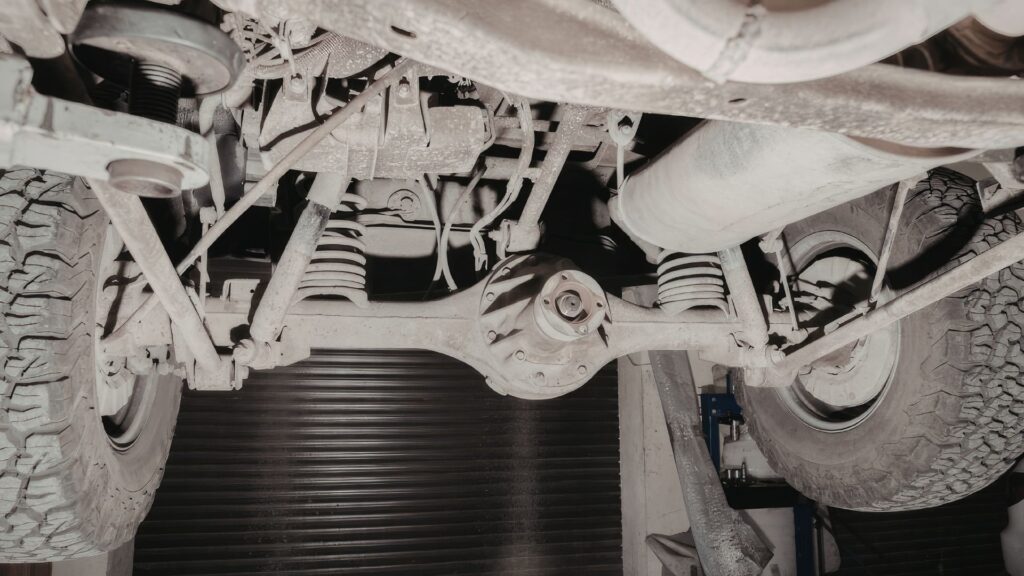
How To Prevent Oil Leaks and Protect Your Engine for the Long Haul

How To Prevent Oil Leaks and Protect Your Engine for the Long Haul

How To Prevent Oil Leaks and Protect Your Engine for the Long Haul You pull out of your driveway and notice a dark stain where your car was parked. That spot on the ground might seem minor, but it could be a sign of something your engine cannot afford to ignore. Oil leaks are one of the most common causes of serious engine problems, and catching them early makes all the difference. Why Engine Oil Leaks Are Such a Big Deal Engine oil is what keeps metal parts from grinding against each other. Without proper lubrication, parts of the engine wear down fast, heat builds up, and you are suddenly looking at major repairs instead of a simple fix. Even a small leak left unchecked can lead to low oil levels, which puts your vehicle’s engine under serious stress. Low oil levels reduce oil pressure and compromise the lubrication that every moving part depends on. That is how a tiny drip turns into a blown gasket or worse. If you are already seeing signs of trouble, understanding what it means if your car is leaking oil is a solid first step. Common Causes of Oil Leaks There is no single source of oil leaks. They can come from several different spots, and knowing the causes of oil leaks helps you stay ahead of them. Worn or Damaged Gaskets Gaskets seal the spaces between engine parts. Over time, gaskets and seals degrade over time due to heat, pressure, and normal wear and tear. A valve cover gasket, for example, sits at the top of the engine and keeps oil inside the valve cover where it belongs. When the valve cover gasket fails, oil can drip down the outside of the engine and eventually reach hot surfaces where oil burning becomes a concern. The head gasket sits between the cylinder head and the engine block. A failing head gasket does not just cause an oil leak – it can also compromise engine compression and cause coolant and oil to mix, which is a serious problem. The oil pan gasket seals the bottom of the oil pan to the engine block. A crack or worn rubber gasket there means oil is slowly dripping from the bottom of the oil pan onto the ground. Faulty Seals Seals are different from gaskets but serve a similar purpose. The rear main seal sits at the back of the engine where the crankshaft exits. When this seal leaks, you will often notice oil collecting underneath toward the rear of the vehicle. A timing cover gasket protects the timing cover and the components behind it, and a leaking timing cover can lead to engine damage if ignored. A valve seal controls how much oil enters the combustion chamber. When it fails, it can cause oil burning and blue exhaust smoke. The Oil Filter and Drain Plug An improperly installed oil filter or a loose drain plug are surprisingly common culprits. After changing your oil, these two points are the easiest places for leaks to start. Always make sure the oil filter is snug and the drain plug is torqued correctly after every oil change. The PCV Valve The PCV valve is part of the crankcase ventilation system. It regulates pressure inside the engine. When it gets clogged or fails, pressure builds up inside the engine and can force oil to leak past seals and gaskets. Replacing a stuck PCV valve is inexpensive and can prevent leaks from developing. How To Prevent Oil Leaks Before They Start If you want to prevent oil leaks, routine care is your first line of defense. Here are the most effective ways to stay ahead of the problem. Stay On Top of Oil Changes Fresh motor oil contains additives that help keep seals and gaskets conditioned. Old oil breaks down and can corrode rubber components over time. Following a consistent oil change schedule is one of the simplest things you can do to protect your engine. Not sure when your next oil change is due? Check out the signs you need an oil change so you do not let it go too long. Check Your Oil Level Regularly Pop the hood every few weeks and check the dipstick. Catching a drop in oil level early tells you that something may be off before it becomes a bigger issue. Motor oil leaks do not always show up as visible drips – sometimes oil burns off slowly without an obvious puddle. Use the Right Oil for Your Engine Using thicker oil in a high mileage or older engine can help slow leaks because thicker oil does not pass through worn seals as easily. There are also high mileage oil formulas with an additive designed to condition aging seals and gaskets. Products like BlueDevil oil stop leak are sometimes used as a temporary measure, but they are not a substitute for fixing the actual problem. Watch for Warning Signs Oil spots on your driveway, a burning smell, or a drop in oil pressure are all red flags. If oil is leaking from somewhere, it will leave clues. Do not wait until the oil light comes on to act. Schedule Routine Preventative Maintenance Seals and gaskets deteriorate over time, especially as mileage adds up. Routine preventative maintenance keeps a trained technician looking at the parts most likely to develop leaks before they fail completely. When To Bring Your Car In for Leak Repair Some leaks you can monitor. Others need immediate attention. If you notice oil spots growing, if your engine is running hot, or if oil is leaking fast enough to drop your level between checks, bring your car in right away. A skilled auto mechanic can clean the area, identify the source of oil leaks, and determine whether a seal, gasket, or other component needs replacing – often without removing the pan or major disassembly. From professional engine repair services to quick lube and oil work, getting the right eyes on the problem early

How To Prevent Oil Leaks and Protect Your Engine for the Long Haul Read More »

How Long Can You Drive With a Bad CV Axle Before It Leaves You Stranded?

How Long Can You Drive With a Bad CV Axle Before It Leaves You Stranded?

How Long Can You Drive With a Bad CV Axle Before It Leaves You Stranded? If you’ve started hearing a rhythmic clicking when turning or noticed your car vibrating at highway speeds, you might be dealing with a failing CV axle. The big question most drivers ask is simple: how long do I have before this becomes a real problem? The honest answer is that it depends but ignoring it is never a good idea. What Is a CV Axle, Anyway? CV stands for constant velocity. A CV axle is the shaft that transfers power from your transmission to your wheels. It uses a specialized constant-velocity joint, sometimes just called a CV joint, at each end to maintain smooth power delivery even as your suspension moves up and down and your wheels turn left and right. Most front-wheel-drive cars and many all-wheel-drive trucks have inner and outer CV joints on each axle. The outer joint handles steering movement, and the inner joint absorbs the up-and-down motion from your suspension. How Does a CV Joint Go Bad? The most common starting point is a torn boot. The CV boot is a rubber cover that keeps grease inside the joint and dirt out. When that boot cracks or tears, the grease escapes and contaminants get in. Once dirt and moisture mix with a dry joint, wear accelerates quickly. A torn CV boot does not mean instant failure, but it does mean the clock is ticking. Once the joint wears past a certain point, you will start to notice clear warning signs. Warning Signs of a Failing CV Axle Clicking Sound When Turning The most recognized symptom is a clicking sound when turning. You might notice it more on right turns or left turns, or both. This clicking while driving straight at low speed is less common but can happen with a badly worn joint. That clicking is the joint struggling to maintain smooth rotation. The louder and more frequent it gets, the further along the damage is. Vibration While Driving A failing CV joint can also cause vibration in the steering wheel or throughout the vehicle. This tends to become noticeable at higher speeds and can feel similar to the causes of car shaking at high speeds. Do not assume it is a wheel balance issue without checking the axle first. Grease on the Inside of Your Tire or Wheel If you see grease splattered on the inside of your wheel or along the inside of your front end, that is a strong sign of a torn CV boot. The joint is flinging grease as it spins, which means the joint is running dry. Clunking or Grinding As things get worse, you may hear a clunk or grind when accelerating from a stop. In severe cases, a loud pop can occur when the axle finally gives out completely. So, How Long Can You Actually Drive on a Bad CV Axle? This is where drivers want a straight answer. Here is the reality: there is no single number that works for every situation. If you have a torn boot but the joint itself is still in decent shape, you may be able to drive for several weeks or even a few thousand miles before the joint degrades enough to cause major problems. Some people have stretched it to 50 miles, others have pushed past 100 miles without complete failure. But this is not something to count on. If the joint is already clicking consistently, you are in a different situation. At that stage, you are able to limp along for a short time, but catastrophic failure can happen without much warning – especially at highway speeds or on the freeway. When an axle snaps while you are driving, you lose the ability to steer or accelerate, and that is a genuine safety hazard. The short version: do not plan on a bad CV joint lasting a long time once symptoms appear. Get it checked out as soon as possible. Can You Extend the Life of a Failing CV Joint? If the boot is torn but the joint is still quiet, replacing the boot with a new boot and repacking the joint with fresh grease can sometimes extend the life of the joint. However, this only works if the joint has not already started wearing. A mechanic will need to inspect it to make sure a new one is not required. If the joint is already clicking or grinding, replacing the axle assembly is the right move. Trying to just replace the boot at that point is not a reliable fix. Most shops will recommend replacing the whole axle as a single unit rather than rebuilding it piece by piece. For reliable help with this, the team at Newnum and Sons Garage offers professional driveline repair services and will give you an honest assessment before any work begins. What Happens If You Wait Too Long? A completely failed axle does not just leave you stranded, it can cause damage to surrounding components. The shaft can contact the brake rotor, damage the wheel bearing, or even affect your suspension and ball joint area. What started as a simple fix can turn into one of the most common car repairs and maintenance services that runs much higher in cost. You could also end up needing suspension and brake system repairs on top of the axle work. In some cases, transmission damage is possible if the inner joint fails suddenly. That opens the door to expert transmission repair solutions being added to the bill as well. And if the axle fails completely while driving straight on a highway, you may need a tow truck instead of a simple repair appointment. Is It Worth Getting an Inspection Early Enough? Yes, without question. Catching a failing CV joint early enough, before the boot is fully deteriorated, can save you real money and stress. A quick inspection can tell you whether you need a new axle right away or

How Long Can You Drive With a Bad CV Axle Before It Leaves You Stranded? Read More »

Loud Clunk When Shifting From Park To Drive? Here's What It Means And How To Fix It

Loud Clunk When Shifting From Park To Drive? Here’s What It Means And How To Fix It

Loud Clunk When Shifting From Park To Drive? Here’s What It Means And How To Fix It You put the car in drive, and before you even touch the gas, you hear it, a loud clunk that rattles your confidence right along with your vehicle. It might sound alarming, and honestly, sometimes it is. But not always. That clunking noise when shifting out of park is one of the most common concerns drivers bring up. The good news is that the cause is often identifiable, and many of the fixes are straightforward. Let’s walk through what’s actually happening inside your vehicle and what you should do about it. Why You Hear a Clunk When Shifting From Park to Drive The Parking Pawl Is Doing Its Job – Sometimes Too Loudly When you shift into park, a small but strong metal pin called the parking pawl locks the output shaft of your automatic transmission in place. It’s what keeps the car from rolling when the engine is off. When you shift into drive or reverse, that pawl disengages. On a flat surface, this is usually quiet. But parking on a hill changes everything. If you park the car on an incline without using the parking brake first, the full weight of the vehicle presses down hard on the pawl. When you shift into drive, the parking pawl disengaging from that pressure produces a really loud thump or clunk. This is actually a mechanical stress issue, not a transmission issue in most cases. The fix here is simple: set the parking brake before shifting into park. Apply the brake pedal, shift into park, then engage the parking brake so the vehicle is held by the brake system, not the parking pawl. When you leave, release the brake pedal after you’ve shifted into gear. Your transmission will thank you. Worn or Broken Transmission and Engine Mounts Transmission mounts are designed to hold the transmission steady and absorb vibration as the drivetrain moves. Engine mounts do the same for the engine. When these mounts wear out or crack, there’s nothing to cushion the movement when you shift gears. The result is a clunk when shifting that feels like something dropped inside the engine bay – because something basically did move that shouldn’t have. Worn mounts allow the engine and transmission to shift physically when torque is applied, causing that familiar thump. If you notice the clunk is accompanied by other symptoms like shudder during acceleration, vibration at idle, or a clicking noise when you shift from reverse to drive, worn mounts are a likely culprit. A mechanic can inspect mounts visually and physically to check for cracks, tears, or collapsed rubber – often called a bushing failure. Driveline Components: U-Joints, CV Joints, and Axle Shafts Sometimes the clunk isn’t coming from the transmission at all. It’s coming from further down the drivetrain. U-joints, CV joints, and axle shafts all play a role in transferring torque from the transmission to the wheels. When any of these driveline components wear out or become misaligned, shifting from park to reverse or from park to drive can produce a clunk as the drivetrain takes up the slack. This is sometimes called backlash – the slight play between worn driveline parts. On an all-wheel drive vehicle, this can feel especially pronounced. If you hear the clunk most when you shift from park to reverse and then again shifting from reverse to drive, worn u-joints or CV joints are worth investigating. A driveline inspection and repair can identify exactly where the problem lies. Low or Degraded Transmission Fluid Transmission fluid keeps everything inside the transmission lubricated and helps manage hydraulic pressure for smooth gear engagement. When the fluid level is low or degraded, the torque converter and internal components don’t get the hydraulic support they need. The result can be a fairly loud clunk or delay when you shift into drive or reverse. Checking the fluid level and condition is one of the first things to do when diagnosing a clunking sound. If the fluid is dark, burnt-smelling, or the level is low, that’s a clear sign something needs attention. The Gear Selector or Control Arm Bushings Less commonly, the issue can come from a worn gear selector linkage or control arm bushings in the suspension. When these wear down, there’s looseness in the system that creates noise during transitions – like when you put the car in gear from a complete stop. If you’re hearing the clunk mostly in the cabin near the gear stick rather than underneath the vehicle, the selector linkage is worth having checked. If you also notice the steering wheel vibrating or the car may pull slightly when you shift, suspension-related wear could be contributing. What To Do When You Hear the Clunk Start with the easy stuff: Use the parking brake every time you park. Apply the brake pedal, engage the parking brake, then shift into park while the car is held by the brakes, not the pawl. Check your transmission fluid – both the fluid level and its color and smell. Pay attention to when the clunk happens – is it only from park to drive, or also from park to reverse, drive to reverse, or shifting out of park in general? Note any warning lights on the dashboard, especially anything transmission-related. If the clunk persists or gets worse, it’s time for a professional look. Advanced vehicle computer diagnostics can help identify transmission-related fault codes that don’t always trigger a dashboard light. You might also want to review the most common car repairs and services to better understand what kind of work might be involved. For more serious concerns, getting professional transmission repair services early can prevent a manageable repair from becoming a costly overhaul. It’s also worth knowing how long car repairs typically take so you can plan accordingly. Don’t Ignore the Noise: Get Your Transmission Checked A slight clunk when you shift from park to drive isn’t always a crisis,

Loud Clunk When Shifting From Park To Drive? Here’s What It Means And How To Fix It Read More »

Schedule Your Appointment Today

Your Automotive Repair & Maintenance Service Specialist

Schedule

What Our Customers Say

Privacy Policy
Manage Consent Preferences
Do Not Share My Information | Conditions of Use | Notice and Take Down Policy | Website Accessibility Policy
© 2026 The content on this website is owned by us and our licensors. Do not copy any content (including images) without our consent.