Newnum and Sons Garage

Why Does My Car Shake When I Brake? Common Causes and How to Fix Them Fast

Why Does My Car Shake When I Brake? Common Causes and How to Fix Them Fast

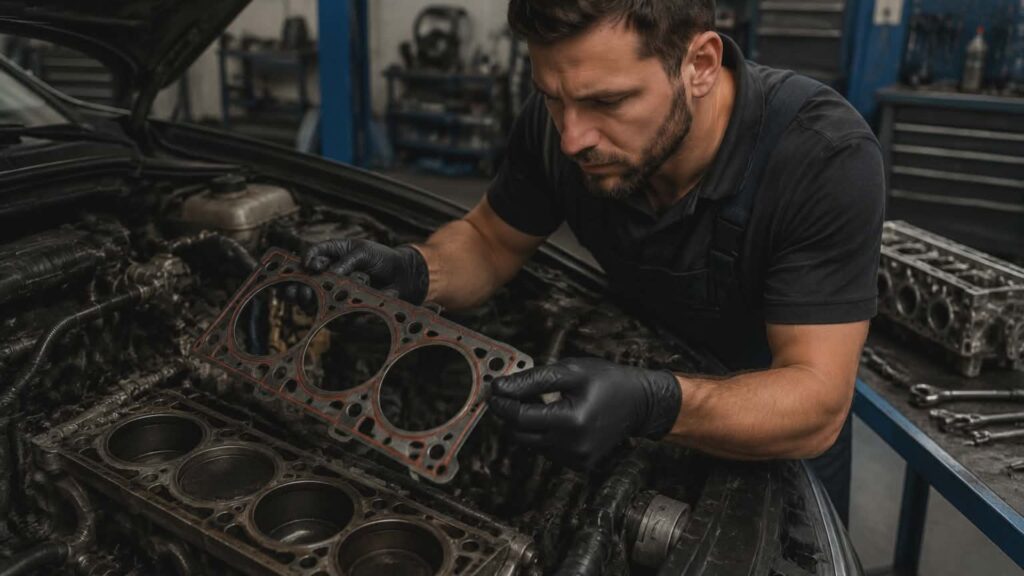
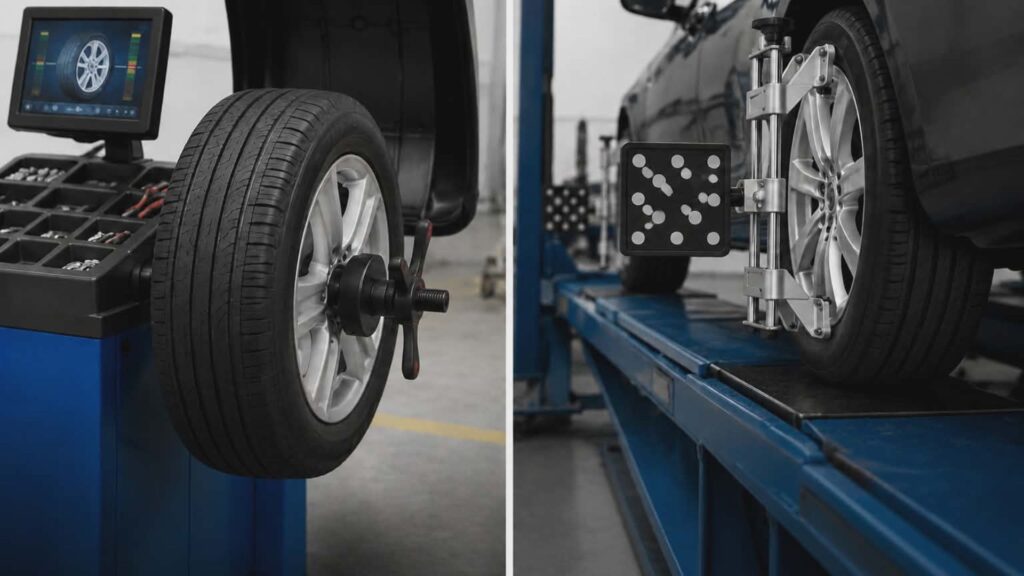
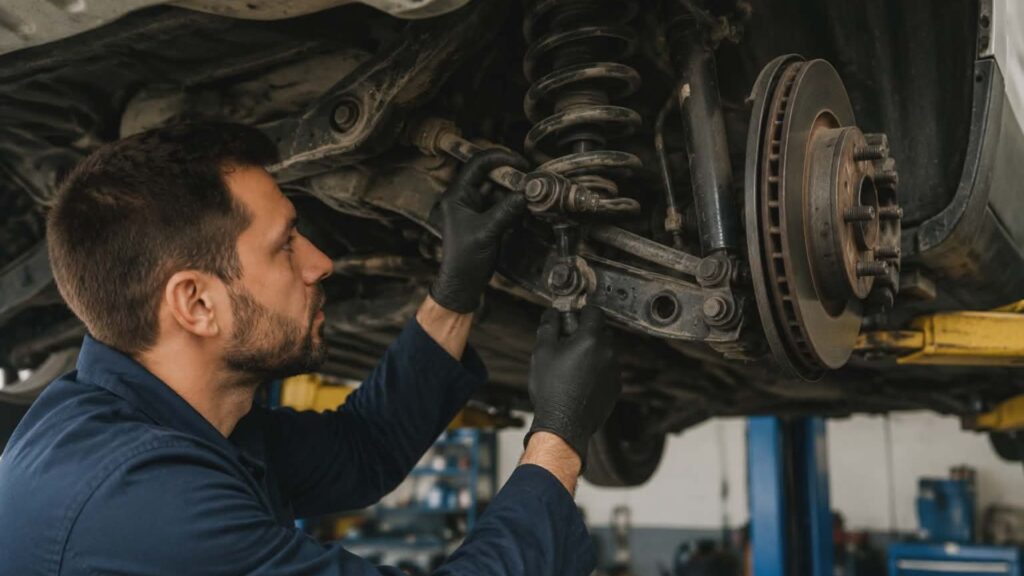
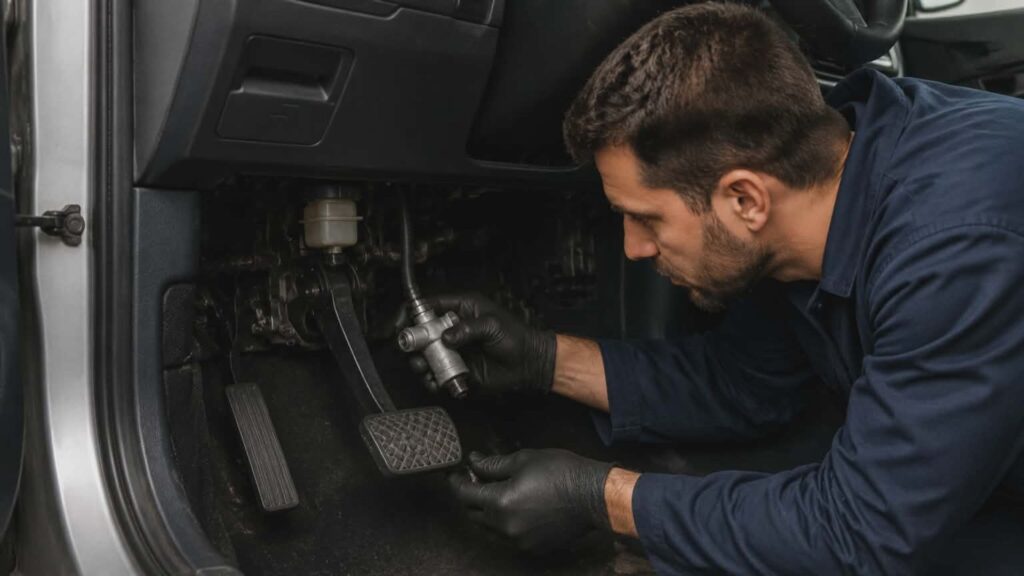
Why Does My Car Shake When I Brake? Common Causes and How to Fix Them Fast You are driving through Covington, IN. Everything feels normal, and then you hit the brakes. Suddenly, the steering wheel starts to wobble, the brake pedal feels shaky, and your car shakes when braking. It is unsettling, especially if it happens at highway speeds. If you have caught yourself thinking, “Why does my car shake when I brake?” you are not alone. There are several common reasons why your car might do this. The good news is that most brake-related vibration issues can be fixed quickly once you know what to look for. Let’s break it down in plain English so you can understand what is happening behind the wheel. What Does It Mean When Your Car Shakes When Braking? When you press the brake, your brake system uses friction to slow your vehicle. In disc brakes, brake pads clamp against metal discs called brake rotors. That friction creates the force needed to slow the car. If something in that system is uneven, loose, or worn, it can cause vibrations. You may feel a vibration in the brake pedal, the steering wheel, or even through the entire car. In some cases, the car is vibrating only during brake application. In others, shaking while braking can get worse over time. One of the most common signs is brake pedal pulsation. That rhythmic pulsation happens because the rotor surface is not perfectly smooth or flat anymore. Warped or Uneven Brake Rotors – A Common Cause One of the most common causes of a car shake when I brake is a problem with the rotor. Specifically, braking is warped brake rotors. How Brake Rotors Become “Warped” Brake rotors are metal discs attached to each wheel hub. Over time, heat and pressure can cause them to wear down over time or develop thickness variation. This means parts of the rotor are slightly thicker or thinner than others. When brake pads clamp against a rotor that is not evenly flat, it leads to vibrations. Technically, what many people call “warped” rotors is often excessive runout or uneven disc thickness. This uneven surface can: Cause brake pedal pulsation Cause vibrations that become stronger at high speeds Make the steering wheel shake during braking Front rotors are especially prone to this because most of the vehicle’s weight shifts forward when you apply the brakes. If the front rotors have too much runout, you will likely feel the vibration in the steering wheel. In some cases, the fix is simple resurfacing. In others, your technician may recommend new rotors or replace the rotors entirely. Worn-Out Brake Pads and Brake Components Brake pads are designed to grip the rotor and create friction. But brake pads wear with normal driving. When brake pads wear unevenly, or you have worn-out brake pads, they do not grip the rotor evenly. That uneven grip can also cause shaking or a brake pedal pulsation. Sometimes the issue is not just the pads but other brake components, such as: A sticking brake caliper Rust or corrosion on the rotor or pad surface Worn slide pins in the brake caliper If a caliper cannot move freely, the pads can drag on the rotor. This constant drag creates excess heat, leading to vibrations and uneven wear on the rotors and pads. Pads can also cause high-pitched noise, especially when they are thin. If you notice noise along with shaking while braking, it is time for an inspection. Tire and Wheel Issues That Cause Shaking Not every brake vibration starts in the brake system. Sometimes the real culprit is the tire or wheel. Uneven tire wear can cause your vehicle to shake. If the issue only appears when slowing down from highway speeds, a tire balance or wheel alignment problem might be involved. Loose lug nuts can also cause a wobble that feels like a brake issue. If a wheel is not seated properly on the wheel hub, you may feel a vibration when you hit the brakes. A worn wheel bearing, which is a type of bearing (mechanical) that reduces friction in the wheel, can also cause shaking. Over time, wear and corrosion can damage it, leading to extra movement in the wheel. That extra play can cause vibrations that become more noticeable during braking. If you have questions about why your car shakes at high speeds, it is worth having both the tire and brake systems inspected together. Suspension Problems That Feel Like Brake Issues Your car suspension and suspension components play a huge role in stability. If you have worn suspension components, such as a damaged strut, control arm bushings, or a loose bushing, it can amplify any small vibration. A damaged suspension or worn suspension components can cause your vehicle to shake and may even cause it to pull to one side when braking. Driving on rough roads around Covington, IN, can speed up wear in the suspension system. Damaged suspension parts may also cause uneven tire wear, which then feeds back into more shaking. When your car might be shaking while braking, it is often smart to check both the brakes and the car suspension together. If you suspect a deeper issue, Newnum and Sons Garage offers thorough suspension and brake services to address the issue correctly the first time. Problems with Brake Drums or Rear Brakes While most modern vehicles use disc brakes in the front, some still use drum brakes in the rear. If your brake drums are out of round or the rotors or drums are uneven, you may feel a subtle pulsation in the pedal. Rear rotors can also develop runout similar to front rotors. Unlike disc brake systems, drum brake systems house the braking components inside a drum. If there is excessive wear or corrosion, it can lead to a shaky feel during braking. Can Brake Fluid or ABS Cause Shaking? In rare cases, air or contamination in the brake fluid can

Why Does My Car Shake When I Brake? Common Causes and How to Fix Them Fast Read More »

Steering Wheel Shudder? Here’s What It Means and How to Fix It Fast

Steering Wheel Shudder? Here’s What It Means and How to Fix It Fast

Steering Wheel Shudder? Here’s What It Means and How to Fix It Fast You’re cruising down the road, everything feels normal, and then it happens. The steering wheel starts to vibrate in your hands. Maybe it is subtle at first. Maybe it feels like your whole car shakes. If you have noticed your steering wheel shaking, you are right to pay attention. A steering wheel shudder is not just annoying. It could be a sign that something in your vehicle needs attention, especially if the vibration gets worse at higher speeds or when you press the brake pedal. At Newnum and Sons Garage in Covington, IN, we help drivers diagnose and fix these issues every week. Let’s break down the most common reasons your steering wheel shakes and what you should do next. What a Steering Wheel Shudder Usually Means Your steering wheel is directly connected to critical parts of your car, including the suspension system, braking system, and drivetrain. When something is worn, loose, or out of alignment, that disturbance can travel through the Wheel and into your hands as vibration. Some common causes of a shaky steering wheel include: Tire issues such as uneven tire wear or unbalanced Warped brake rotors Worn suspension system components like ball joints or tie rod ends Failing wheel bearings Problems in the Axle or drivetrain Each of these affects automobile handling differently, which is why the details of when and how the steering wheel vibrates matter. Steering Wheel Shake at Higher Speeds If your car shakes mostly when driving at higher speeds, especially around 60 mph, tires are a common reason. Tires Out of Balance or Uneven Wear Tires out of balance can create vibrations when driving at higher speeds. Even a small imbalance can make the steering wheel shake while driving on a smooth road surface. You may also notice: Uneven tire wear Flat spots from hard braking Debris is stuck in the tread Low pressure or tires that are not properly inflated When tires are properly inflated and the tire balance is corrected, the vibration often disappears quickly. If you regularly drive over rough road conditions or hit potholes, it can throw off that balance. If you are able to get them rotated and balanced on schedule, you reduce wear and improve speed stability. This is one of the most common reasons your steering wheel develops vibrations when driving at higher speeds. If you want to learn more about high-speed shaking, check out these causes of car shaking at high speeds. Steering Wheel Is Shaking When Braking If your steering wheel is shaking mainly when you press the brake pedal, your braking system is the likely source. Warped Brake Rotors Most vehicles today use a disc brake setup. When you press the brake pedal, the brake pads press against a spinning rotor to slow the wheel. If the rotor surface becomes uneven due to heat or wear, you will feel a pulse or steering wheel shake. Warped brake rotors cause shaking as a result of inconsistent contact between the brake pad and the rotor. That force moves through the steering system and into your hands. In some cases, a sticking brake caliper can overheat one side of the rotor, making the problem worse. If your wheel is shaking when braking, it is smart to stop driving aggressively and schedule an inspection soon. Our team at Newnum and Sons Garage offers professional suspension and brake repair services to address these exact issues. Brake Pedal Pulsing If you also feel pulsation in the brake pedal under your foot, it strengthens the case for rotor or brake pad wear. A qualified technician can measure rotor thickness and determine whether resurfacing or replacement is needed. Steering Wheel Vibrations at Low Speeds If your steering wheel starts shaking at low speeds or even at lower speeds in town, you might be dealing with suspension or steering components. Worn Ball Joints or Tie Rod Ends Ball joints and tie rod ends help maintain the proper angle and alignment of your car’s suspension. When they wear out, your vehicle may wander, feel loose, or even pull slightly to one side while driving straight. This can make the steering feel unpredictable. Over time, the shaking steering wheel becomes more obvious, especially on uneven road surfaces. Wheel Bearings or Axle Issues Worn wheel bearings, also known as bearing (mechanical) units, can create noise and vibration that changes with speed. If ignored, they can affect the axle and overall drivetrain performance. In some cases, driveline problems can also cause your steering wheel to vibrate. Our driveline repair and drivetrain service can pinpoint whether the issue is deeper in the drivetrain. When the Car Shakes All the Time If your car shakes constantly, not just at high speeds or during braking, there may be broader potential causes. These possible causes include: A damaged engine mount is allowing excess engine movement Bent wheels after driving over potholes Significant tire issues combined with poor alignment Problems in the suspension system An engine mount that fails can let the engine shift more than it should, sending vibration through the frame and into the car controls. That can make the steering feel unstable even when parked. If the steering wheel may be shaking along with the seat or floorboard, the issue could be more widespread than just the steering components. Alignment Problems and Pulling to One Side Sometimes the steering wheel vibrates, and the car begins pulling to one side. That is often a sign you need an alignment. Hitting potholes, curbs, or debris in the road can shift wheel angles. When alignment is off, it affects tire wear and automobile handling. Over time, that uneven wear leads to more shaking or vibrations. Routine Inspection after major bumps can help prevent long-term damage. When Should You Stop Driving? Not every vibration means you must stop driving immediately. However, you should visit a mechanic as soon as possible if: The shaking gets worse quickly You

Steering Wheel Shudder? Here’s What It Means and How to Fix It Fast Read More »

Timing Belt vs Timing Chain: Which One Saves You Money And Headaches?

Timing Belt vs Timing Chain: Which One Saves You Money And Headaches?

Timing Belt vs Timing Chain: Which One Saves You Money And Headaches? If you have ever asked yourself, ” What’s the difference between a timing belt and a timing chain? You are not alone. It is one of the most common questions drivers have when they learn about their engine. And usually, the next question is even more important: which one costs less over time and causes fewer problems? Understanding the difference between timing components can save you major repair bills and serious engine damage. At Newnum and Sons Garage in Covington, IN, we regularly help drivers learn the difference so they can make smart decisions about maintenance instead of reacting to a breakdown. Let’s break down the timing belt vs timing chain debate in plain English. What Does the Timing System Actually Do? Before comparing parts, it helps to understand the timing system as a whole. Inside your engine, the crankshaft and camshaft must spin in perfect sync. The crankshaft moves the pistons up and down. The camshaft opens and closes each valve – often a poppet valve in a typical four-stroke engine – to let air and fuel in and exhaust out. That coordination is called engine timing. Whether your vehicle uses a timing belt or a timing chain, its job is the same: Keep the camshaft and crankshaft synchronized Maintain proper timing of valves and pistons Prevent catastrophic engine damage If the system fails, valves and pistons can collide. In an interference engine, that usually means bent valve components, damaged pistons, and a large repair bill. Now let’s talk about the key differences. Timing Belt: What You Should Know A timing belt is a reinforced rubber belt (mechanical belt type) with teeth that grip gears and sprockets. Timing belts are made from reinforced rubber and synthetic fibers to handle heat and tension. Many older vehicles and even popular models like certain versions of the Honda Accord use a timing belt. How It Works The belt wraps around: The crankshaft gear The camshaft gear An idler pulley A tensioner to maintain proper tension In many timing belt setups, the water pump is also driven by the belt. That means when you are replacing a timing belt, you often replace the pump at the same time to avoid extra cost later. Pros of a Timing Belt Quieter operation with less noise Lower upfront cost for belt replacement Lightweight design Cons of a Timing Belt Wears out over time Has specific service intervals If a belt breaks, it can cause severe engine damage Most manufacturers recommend timing belt replacement around 100k miles, depending on the vehicle. Since timing belts wear from heat and friction, replacing a timing belt before failure is critical. If you drive an older car with a belt and skip maintenance, the pain of a snapped belt can be sudden and expensive. Timing Chain: Built for the Long Haul? A timing chain looks similar to a bike chain. It is metal and runs inside the engine, lubricated by motor oil. Unlike belts, chains are designed to last much longer, and in many modern engines, they are expected to last the lifetime of the engine. How It Works The chain connects the crankshaft gear to the camshaft gear using metal links. It rides along sprockets and relies on chain guides and tensioners to stay aligned. Because it runs internally, lubrication from regular oil changes is essential to reduce wear. Pros of a Timing Chain Timing chains last longer than belts More durable compared to timing belts Often no scheduled chain replacement Cons of a Timing Chain Heavier and slightly noisier More expensive to replace The complexity of the job makes labor costs higher Although timing chains last longer, they can stretch over time. Worn guides and tensioners may also fail. If that happens, replacing a timing chain can be costly because of the complexity of the job. Timing Belt vs Timing Chain: The Real Cost Comparison When customers in Covington, IN ask about timing belt vs timing chain, they are usually focused on overall cost. Here is the reality. Short-Term Cost A timing belt replacement is typically less expensive than replacing a timing chain. The parts are cheaper, and access is often easier depending on the engine layout, such as an OHC V6 engine. Long-Term Cost Timing chains last longer and can sometimes run for the lifetime of the engine. That means no regular belt service intervals to worry about. However, if a chain fails, chain replacement is usually more expensive to replace than a typical belt service. So the chain vs belt decision is not about which is “better.” It is about understanding the difference between a timing system design and planning accordingly. What’s the Difference in Risk? Let’s talk about risk. If your engine is a non-interference design, a failed belt may not destroy internal components. But many engines are interference engine designs. In those engines, if a belt breaks or a plastic timing chain guide fails, pistons can hit valves. That results in: Bent valves Damaged pistons Possible gasket failure Severe engine damage This is why regular maintenance matters so much. Why Maintenance Matters More Than Design Here is something many drivers do not realize. Since timing components rely on proper lubrication and tension, neglecting oil changes can shorten the life of a timing chain. Dirty oil increases wear and can cause guides to fail. Many timing chain problems stem from poor maintenance, not just mileage. On the other hand, belts are external and not lubricated by engine oil. They simply age and wear. That is why proper timing belt replacement at recommended intervals is key. If you are not sure what your car uses, the team at Newnum and Sons Garage can help you learn the difference between a timing belt and a timing chain in your specific vehicle. Diesel Engines, Manual Transmissions, and Modern Designs Some diesel engines prefer chains because of higher compression forces. Many modern engines across the automotive industry

Timing Belt vs Timing Chain: Which One Saves You Money And Headaches? Read More »

Dealer Vs Independent Mechanic: Which One Actually Saves You More Money?

Dealer Vs Independent Mechanic: Which One Actually Saves You More Money?

Dealer Vs Independent Mechanic: Which One Actually Saves You More Money? If you’re like most car owners in Covington, IN, you’ve probably asked yourself this at least once: Should I go to the dealer or find an independent shop? Maybe your check engine light just came on. Maybe you’re due for an oil change. Or maybe you’re debating whether to take your car back to the nearby dealership where you bought it. The truth is, the answer depends on your vehicle, your vehicle’s needs, and what you value most: convenience, brand specialization, or lower long-term cost. Let’s break down dealership mechanics vs independent options in plain English so you can decide what actually makes sense for your car and your money. Understanding the Basics: Dealership vs Independent Shop Before talking about dollars, it helps to understand how both models work. A car dealership is connected to a specific brand. Think Honda, Toyota, Ford Motor Company, or Lexus. Their service departments are designed to focus primarily on that vehicle’s make and model. An independent shop like Newnum and Sons Garage is not tied to one brand. Instead, they specialize in servicing a wide range of vehicles, from modern sedans to older trucks and even the occasional luxury car. At first glance, dealerships vs local mechanics can feel like factory precision versus hometown flexibility. But cost and value are where things really get interesting. The Cost Breakdown: Where Does Your Money Actually Go? When comparing dealership vs independent, you are not just paying for parts and labor. You are paying for overhead, training, facilities, and brand affiliation. Labor Rates In general, a dealership mechanic charges higher hourly labor rates. Why? They are often factory-trained. They use brand-specific diagnostic software from the Factory. The dealership service center has higher overhead costs. An independent mechanic typically has lower labor rates because they are not supporting a large showroom or heavy corporate structure. That does not mean less skill. It often just means more flexibility. Parts: OEM vs Aftermarket This is a big talking point. Dealerships offer genuine OEM parts from the original equipment manufacturer. If you drive a Toyota, you are likely getting parts that come directly from Toyota’s manufacturing supply chain. An independent shop may use OEM parts or high-quality aftermarket parts from the automotive aftermarket. Aftermarket parts can lower cost without sacrificing reliability – especially for things like brake pads, tire components, or suspension parts. If you specifically request that they use OEM parts, many local shops can order them. The question is whether it is worth paying extra every time for genuine OEM parts, especially after your warranty expires. What About Warranty and Warranty Work? This is where many people automatically think, “I have to go to the dealer.” But that is not always true. If your vehicle is still under a manufacturer’s warranty, recall work and certain warranty work often must be done through a dealership for maintenance related to covered defects. However, federal law typically allows you to handle routine maintenance and basic maintenance at a qualified automobile repair shop without voiding your manufacturer’s warranty. You just need good maintenance records showing oil changes, fluid checks, tire rotation, and other regular maintenance were completed properly. Once the warranty expires, many drivers in Covington quickly realize they no longer need to use the dealer for every maintenance service. Routine Maintenance: Where Most People Overspend Servicing your vehicle for routine stuff like: Oil change and motor oil replacement Brake inspection and brake service Tire rotation and alignment Routine maintenance checks These are often significantly cheaper at an independent shop. A dealership for maintenance may present a full service package that bundles multiple items together. While convenient, these sometimes include upsells – extra filters, fuel treatments, or cleaning services you may not actually need. At a local garage like Newnum and Sons Garage, the focus is usually on what your car truly needs, not on upselling targets tied to corporate goals. If you are looking to save over the long term, basic maintenance at a trusted independent shop often wins. Complex Repairs: Is a Dealership Ever Worth Paying More? Yes, sometimes. If you drive a brand-new luxury car or have a rare issue specific to your vehicle’s make, a shop that specializes in that brand may have niche experience. A dealership mechanic working daily on one brand might diagnose obscure electrical software issues a bit faster. That said, many independent shops today use advanced diagnostic tools capable of handling engine, transmission (mechanical device), and electrical systems problems across multiple brands. For bigger jobs like engine rebuilds, transmission repair, bodywork, or complex torque-related suspension work, what matters more than the sign out front is the skill of the technician working on your vehicle. Instead of asking whether to use the dealer, ask: Do they have good reviews? Do they explain the repair clearly? Do they provide upfront estimates? Do they stand behind their work? At Newnum and Sons Garage, drivers can explore professional auto repair services with clear communication and transparency before any work begins. Convenience: Loaner Cars, Service Advisors, and Amenities One reason some people go to the dealer is convenience. Dealerships offer: Loaner cars Large waiting areas Dedicated service advisor support Online scheduling systems Service specials tied to brand promotions A nearby dealership might feel polished and streamlined. You bring your vehicle in, talk to a service advisor, and sometimes get a loaner. Independent shops may not always have loaner cars, but they often provide more personalized attention. When you bring your car in for service, you are more likely to speak directly with the people who will make repairs, not just a front desk manager. For many car owners, that relationship builds trust over time. Used Cars and Maintenance Records If you drive a used car, the dealership you bought it from might push you to return for dealership service. However, what truly matters when reselling is proper documentation. Keeping maintenance records from a reputable automobile repair shop is

Dealer Vs Independent Mechanic: Which One Actually Saves You More Money? Read More »

Differential Noise When Accelerating: Causes, Fixes, And What It Could Be Costing You

Differential Noise When Accelerating: Causes, Fixes, And What It Could Be Costing You

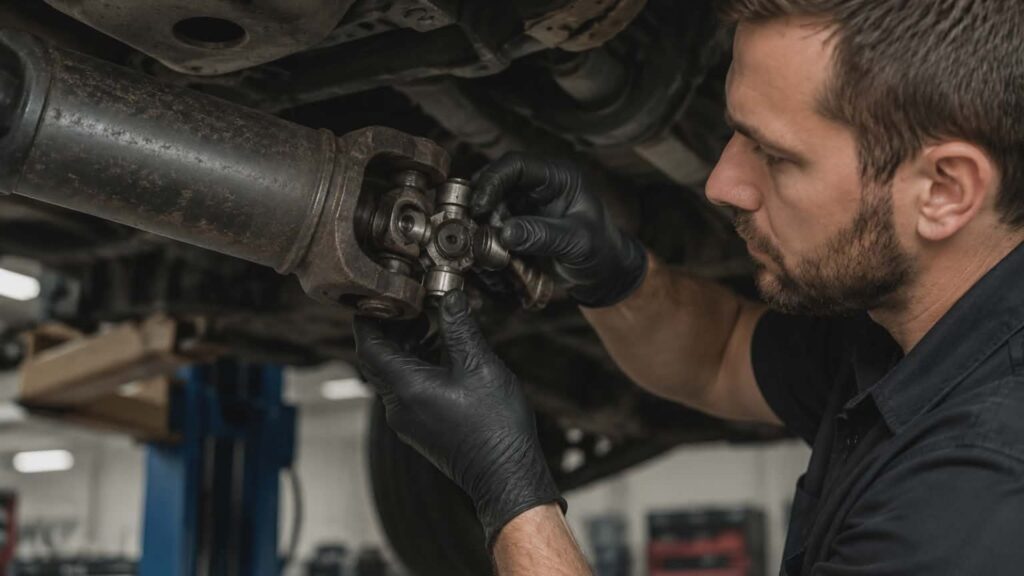
Differential Noise When Accelerating: Causes, Fixes, And What It Could Be Costing You You press the gas, and instead of smooth acceleration, you hear a whining, grinding, or humming sound coming from underneath your vehicle. That differential noise when accelerating can be unsettling. Most drivers in Covington, IN, know something is not right, but they are not sure what the differential actually does or how serious the issue might be. The truth is, ignoring differential noise when accelerating can turn a manageable repair into a major expense. Let’s break down what it means, what causes it, and what it could be costing you. What Is the Differential and Why Does It Matter? Your differential is part of the driveline. Its job is simple but critical – it allows your wheels to spin at different speeds when you turn. Without it, your tires would fight each other in every corner. The differential transfers power from the transmission to the wheels. When everything is working properly, you barely notice it. But when something wears out or loses lubrication, noise often shows up first. That is why unusual sounds during acceleration deserve attention. What Causes Differential Noise When Accelerating? Differential problems rarely happen overnight. They usually build slowly over time. Here are the most common causes of differential noise when accelerating: Worn Ring and Pinion Gears Inside the differential are gears called the ring and pinion. These gears mesh together to transfer power. If they wear unevenly or become misaligned, you may hear: A whining noise that gets louder with speed A howl during acceleration A rhythmic humming sound Gear damage often worsens quickly once it starts. Low or Contaminated Differential Fluid Differential fluid lubricates and cools internal components. If fluid levels drop or the oil becomes dirty, metal parts begin grinding against each other. This can cause: Grinding noises Whining under load Heat buildup and accelerated wear Regular fluid changes are a simple way to prevent expensive repairs. Worn Bearings Bearings support the rotating components inside the differential. When they wear out, you may notice a distinct whirring or growling sound that increases during acceleration. In some cases, the sound changes when you turn. That is often a sign that the problem is in the driveline, not the engine. If you are unsure whether the noise is differential-related or something else, professional driveline repair services can pinpoint the source quickly. Loose or Damaged U-Joints Universal joints connect different parts of the driveline. When they wear out, they can create clunking or vibration when you step on the gas. Ignoring worn U-joints can damage the differential itself, leading to bigger repairs down the road. How to Tell If It Is the Differential or the Transmission Drivers often confuse differential noise when accelerating with transmission problems. The sounds can feel similar, especially from inside the cabin. Here is a simple way to tell the difference: If the noise changes primarily with vehicle speed, it is often differentially related. If the noise changes with gear shifts, it may involve the transmission. When in doubt, a shop offering advanced vehicle computer diagnostics can narrow it down quickly and accurately. If transmission damage is found, expert transmission repair and service can prevent the issue from spreading further into your driveline. What Differential Noise Could Be Costing You It is tempting to turn up the radio and ignore the sound. But small differential issues rarely stay small. Here is what delaying repairs can lead to: Premature tire wear Reduced fuel efficiency Vibration that damages other driveline components Complete differential failure A full differential replacement costs significantly more than early bearing or fluid service. Catching the problem early can save thousands. Over time, vibration may even cause other issues like the ones discussed in why your car is shaking at high speeds. When Should You Bring Your Vehicle In? If you notice any of the following, it is time for a professional inspection: Whining, humming, or grinding when accelerating Clunking when shifting from park to drive Leaking fluid near the rear axle Increased vibration at speed Even if the sound seems minor, having it checked gives you peace of mind. At Newnum and Sons Garage in Covington, IN, we focus on clear explanations and upfront estimates so you know exactly what is happening before any repairs begin. Our team provides comprehensive auto repair services, from driveline inspections to full differential rebuilds. Whether your vehicle is modern or classic, proper diagnosis makes all the difference. Can Differential Problems Be Prevented? Yes, many of them can. Routine maintenance plays a major role in preventing differential noise when accelerating. Staying on schedule with fluid changes and inspections helps internal components last longer. If you are not sure when your differential fluid was last serviced, it is worth checking. Preventive care costs far less than major repairs. Conclusion Differential noise when accelerating is not just an annoyance – it is often an early warning sign. Whether the cause is worn gears, bad bearings, or low fluid, addressing it early can save you from serious driveline damage and unnecessary expenses. If your vehicle is making unusual sounds in Covington, IN, let the experienced team at Newnum and Sons Garage take a look. Call 765-793-3334 or schedule an inspection today and keep your vehicle running smoothly and safely.

Differential Noise When Accelerating: Causes, Fixes, And What It Could Be Costing You Read More »

7 Symptoms Of A Bad CV Axle You Should Never Ignore

7 Symptoms Of A Bad CV Axle You Should Never Ignore

7 Symptoms Of A Bad CV Axle You Should Never Ignore If your car has started making strange sounds when turning or driving, you might be dealing with one of the most overlooked drivetrain problems – worn or failing CV axles. CV axles, short for constant velocity axles, play a critical role in delivering power from the transmission to your wheels. Whether you drive a front-wheel drive Honda, a four-wheel drive Subaru, or a light truck, these parts are constantly working every time you accelerate, steer, or hit a bump in the road. When a bad CV axle starts to fail, the symptoms are often subtle at first. Ignore them too long, and you risk serious damage, costly repairs, or even complete axle failure that could leave you stranded. Let’s break down the 7 major symptoms of a bad CV axle and what they mean for your vehicle. What Do CV Axles Actually Do? A CV axle, sometimes called a half shaft, connects the vehicle’s transmission and differential (mechanical device) to the wheels. Inside each axle is a constant-velocity joint, commonly called a CV joint, that allows the shaft to transfer power while flexing at different angles. This flexibility is crucial, especially on vehicles with independent suspension and front-wheel drive systems. The joint allows smooth motion even while making sharp turns, driving over a pothole, or handling uneven road surfaces. CV axles take a lot of abuse. Over time, wear and tear can cause joints to loosen, axle boots to split, and protective grease to leak. That is when CV axle issues start showing up. Clicking Or Popping When Turning One of the classic symptoms of a bad CV is a clicking or popping sound when turning. You may notice: A rhythmic click when making sharp turns A distinct clicking sound from the front wheels The sound when turning at low speeds in parking lots This typically points to a worn outer CV joint. When the joint loses lubrication or becomes damaged, it cannot maintain smooth, constant velocity, causing noise as the wheel rotates. A bad CV axle early in the process may only make noise during tight turns. As it worsens, you may hear a clicking noise more frequently. Grease Leaking From A Torn Boot Each CV joint is protected by a rubber boot filled with grease. The boot’s job is to lubricate and seal the joint from dirt and debris. If the axle boots develop a crack or a boot split, grease can leak out. You might notice: Grease splattered around the inside of a wheel A visible tear in the boot Signs of excessive wear around the axle shaft Once the grease leaks, the joint is no longer properly lubricated. That leads to rapid wear and premature failure. Many CV joints fail simply because a torn boot was ignored. Catching a grease leak early can prevent full axle failure and avoid costly repairs. Vibration During Acceleration If your steering wheel starts to shake or you feel vibration under your seat when you accelerate, it may be related to the inner CV joint. The inner CV joint connects the CV axle shaft closer to the transmission. When this inner joint wears out, it may cause: Noticeable vibration during acceleration The vehicle shakes at higher speeds Uneven power delivery to the wheel A failing CV axle can cause your entire vehicle to vibrate. If you are unsure whether the issue is tyre balance or something more serious, this guide on why your car shakes at high speeds can help clarify the difference. Clunking Or Popping Under Load A damaged CV joint can create a clunk or pop when shifting from drive to reverse or during hard acceleration. This happens when there is excessive play in the joint or axle shaft. The looseness allows the components to move unexpectedly when power from the transmission is applied. Do not ignore this sign of a bad CV. It often means the joint is significantly worn and approaching failure. Steering Problems Or Excessive Play Although CV axles are not technically part of the steering system, a damaged axle can affect how your car feels when you steer. You might notice: Mildly bad steering response A slight delay in power to the front wheels A feeling that the vehicle is not stable during turning or driving Since CV axles work closely with suspension parts like control arms and wheel bearings, problems can overlap. That is why professional diagnosis matters. Suspension and brake system repairs sometimes go hand-in-hand with drivetrain fixes. Uneven Tire Wear While uneven tire wear is commonly tied to alignment or suspension issues, a failing CV axle can also contribute. If the joint delivers inconsistent velocity to the wheel, it can affect rotation and traction. Over time, this may lead to uneven tire wear and additional stress on suspension parts. Because many CV-related problems mimic other issues, a thorough inspection is key. Complete Axle Failure The most serious outcome is when the CV axle fails and eventually fails completely. When that happens: The wheel may stop receiving power The vehicle may not move when you accelerate You could strand on the side of the road Axles typically do not snap without warning. The symptoms usually build gradually. But ignoring early warning signs can result in serious drivetrain damage and more costly repairs. Should Both CV Axles Be Replaced At The Same Time? In many cases, if one axle shows heavy wear, the other may not be far behind. However, they do not always need to be replaced at the same time. A skilled technician can diagnose the exact issue and determine whether a single repair or full replacement of CV axles is the smarter long-term solution. Using quality OEM parts such as Mopar® components, when appropriate, can help protect your warranty and prevent premature failure. What Causes CV Axle Issues? Several factors contribute to the breakdown: Normal wear over time Road damage from pothole impacts Torn axle boots Driving at extreme

7 Symptoms Of A Bad CV Axle You Should Never Ignore Read More »

What Is Limp Mode on a Car? Causes, Warning Signs, and How to Fix It Fast

What Is Limp Mode on a Car? Causes, Warning Signs, and How to Fix It Fast

What Is Limp Mode on a Car? Causes, Warning Signs, and How to Fix It Fast You press the gas pedal, but your car barely responds. The speed won’t climb. A warning light flashes on the dashboard. It feels like your vehicle has suddenly lost its strength. You might be experiencing limp mode. If that sounds alarming, take a breath. Limp mode is not your car giving up on you. In fact, limp mode is your car’s way of protecting itself. Let’s break down the limp mode meaning, why it happens, the common symptoms, and how to fix limp mode quickly and safely here in Covington, IN. What Is Limp Mode on a Car? Limp mode on a car is a built-in safety feature that limits your engine power and performance when something is wrong. You may also hear it called “limp home mode” or known as “limp safe mode. Limp mode is a security feature, and the mode is a security feature designed to protect the engine or transmission from serious damage. When a vehicle has entered limp mode, the car goes into reduced power operation so you can drive it slowly to a repair shop. Think of it like safe mode in spacecraft systems. When a fault is detected, non-essential functions shut down to protect critical components. In your car, that means limited acceleration, restricted gear shifting, and sometimes capped speed. In simple terms, limp mode is designed to prevent further damage before the underlying problem becomes catastrophic. What Happens When a Vehicle Is in Limp Mode? When your vehicle is in limp mode, several things may occur: Sudden loss of power Poor acceleration The transmission is stuck in one gear A check engine light or other warning light illuminated The engine light is flashing on the dashboard Reduced throttle response Limp mode reduces engine output and may disable certain features like cruise control or even air conditioning in extreme cases. If your car enters limp mode, it often feels like it does not want to go above 30 to 45 mph. Limp mode is a sudden protective reaction. It can feel dramatic, especially during highway driving, but it is there to protect the engine and transmission. What Causes a Car to Go Into Limp Mode? There are several possible causes of limp mode. Modern vehicles rely heavily on sensors, electrical wiring, and a central control unit. If something sends faulty data, limp mode activation can occur. Here are some common causes. Engine-Related Problems If the engine detects serious trouble, limp mode is triggered. Possible engine issues include: Engine knocking Low oil or contaminated motor oil Overheating due to radiator or coolant problems Mass flow sensor failure is affecting airflow and flow measurement Oxygen sensor malfunction Problems in the exhaust system or catalytic converter Exhaust gas recirculation failure A faulty mass flow sensor can send incorrect air mass readings to the computer. That incorrect signal may activate limp mode because the engine cannot safely manage the airflow and fuel mixture. Transmission Problems A transmission issue is another major reason a car goes into limp mode. This is especially true with an automatic transmission. Low transmission fluid, damaged gears, or problems with hydraulic fluid pressure can all trigger limp mode in a car. When limp mode activates, the vehicle may stay stuck in one gear. This protects the transmission mechanical device from further internal damage. Low fluid levels are a major factor. If fluid levels drop too far, there may not be enough lubrication or cooling to protect vital components. Electrical and Sensor Failures Modern cars rely on on-board diagnostics and multiple sensors to monitor speed, throttle, brake input, airflow, and more. Sensors can cause limp mode if they malfunction. Common electrical causes include: Damaged wire connections Failing sensor readings Faulty electric battery Issues with the control unit If the computer cannot detect accurate information, it may trigger limp mode to prevent further damage. A broken speed sensor or throttle position sensor can cause a car to enter limp mode unexpectedly. Fuel and Air System Problems A clogged air filter, restricted exhaust, or fuel delivery issue can limit proper combustion. When the engine struggles to breathe or fuel properly, limp mode may activate. If the catalytic converter becomes blocked due to failed catalysis, exhaust flow slows down and pressure builds. That alone can activate limp mode. In short, limp mode occurs when your vehicle senses something that could damage major components. Warning Signs Your Car May Be in Limp Mode There are clear signs and symptoms that indicate limp mode. Common symptoms include: Sudden loss of power Limited speed Stuck gear in the transmission Flashing check engine light Reduced acceleration Vehicle struggling under load If your car goes into limp mode while driving, you may notice that no matter how hard you press the gas pedal, the throttle does not respond normally. Limp mode can vary by vehicle, but the central theme is always limited performance and protective restrictions. Can You Drive in Limp Mode? Technically, yes, you can drive in limp mode. That is the purpose of the limp home mode. However, you should only drive your car in limp mode long enough to reach a safe place. Find a safe area or move the vehicle to a safe place as soon as possible. Continuing to drive your car in limp mode for extended periods is not recommended. Limp mode is activated to protect the engine or transmission. Driving too far could make repair costs much higher. Never ignore limp mode. If limp mode requires immediate attention, postponing repairs could turn a minor sensor issue into costly internal damage. How to Diagnose and Fix Limp Mode The first step to fix limp mode is proper diagnostics. Guessing rarely works in modern automotive systems. A technician will use an OBD-II scanner to read trouble codes from the on-board diagnostics system. You can use an OBD-II scanner at home, but accurate interpretation of trouble codes often requires an experienced

What Is Limp Mode on a Car? Causes, Warning Signs, and How to Fix It Fast Read More »

O2 Sensor vs Catalytic Converter: What’s Causing Your Check Engine Light?

O2 Sensor vs Catalytic Converter: What’s Causing Your Check Engine Light?

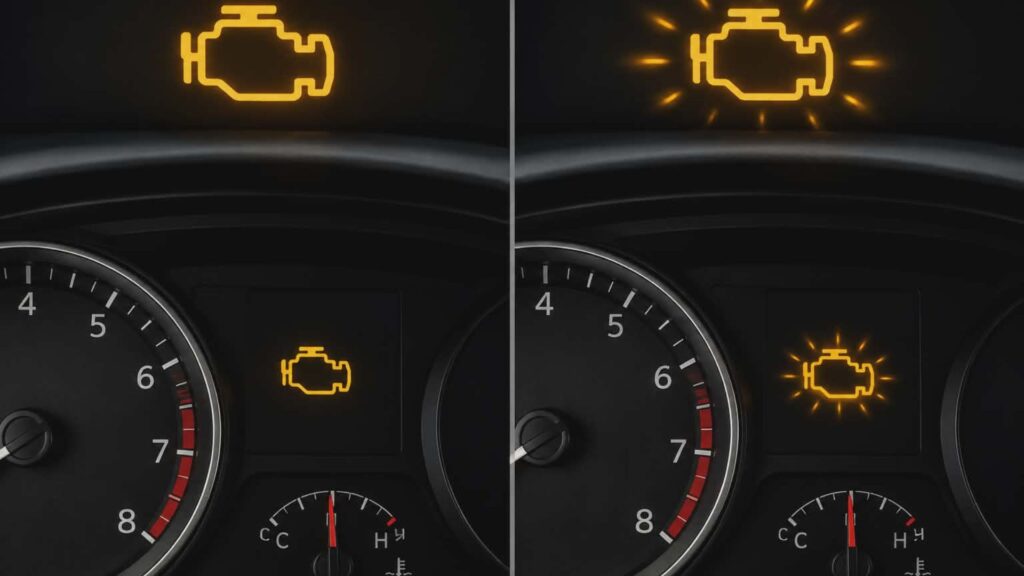
O2 Sensor vs Catalytic Converter: What’s Causing Your Check Engine Light? Your check engine light pops on, and suddenly, you are wondering what went wrong. Is it the O2 sensor? The catalytic converter? Something worse? If you have ever searched “O2 sensor vs catalytic converter,” you already know the internet can make this confusing fast. Both parts affect your emissions system, both deal with the exhaust, and both can trigger a warning on your dashboard. But they do very different jobs. Let’s walk through what each part does, how they fail, and how to tell whether you are dealing with a simple sensor issue or a costly catalytic converter problem. What Does an O2 Sensor Actually Do? An oxygen sensor sits in your exhaust stream and measures how much oxygen is in the exhaust gas. That information is sent as a voltage signal to your car’s ECU (engine control unit), which adjusts the air–fuel ratio. Simply put, the O2 sensor tells your engine if it is running too rich or too lean. Most vehicles have multiple 02 sensors: An upstream O2 sensor (also called the upstream sensor) before the catalytic converter A downstream O2 sensor after the converter These upstream and downstream oxygen sensors work together to keep your engine running efficiently and monitor the Catalyst. If an oxygen sensor is going bad, you might notice: Rough idling Poor engine performance A drop in fuel economy in automobiles Strong fuel smell CEL on the dashboard An O2 sensor can cause incorrect fuel trim adjustments. When the air–fuel ratio starts to fluctuate, your engine performance can suffer quickly. Over time, sensors go bad. Heat, contamination from burning oil, carbon buildup, or even a simple aging element can cause a sensor to fail. When a sensor goes bad, you may see codes like a P0420 code or other DTC messages through your on-board diagnostics system. What Does a Catalytic Converter Do? The Catalytic converter is completely different. Instead of measuring anything, it performs a chemical reaction called Catalysis. Inside the converter is a catalyst that reduces harmful gases like hydrocarbon emissions into less harmful substances. In plain English, it cleans up what leaves your exhaust system before it reaches the air. When working properly, the catalytic converter reduces emissions and helps your vehicle pass smog testing. It also helps balance pressure and flow through the manifold and exhaust piping. If the converter is bad, symptoms may include: Sluggish acceleration Engine performance problems Rattling noise from underneath the vehicle Rotten egg smell Failed emissions testing A bad catalytic converter can also create back pressure in the exhaust system, restricting flow. In severe cases, a clog inside the unit can hurt the engine. The Classic P0420 Confusion When drivers see a P0420 code on a scanner or code reader, panic often follows. The P0420 code usually means “catalyst efficiency below threshold.” But here is the important part: it does not automatically mean you need to replace the catalytic converter. Sometimes the downstream O2 sensor is bad. Sometimes, a faulty oxygen sensor upstream is giving misleading data. Sometimes there is a vacuum leak, air leaks, misfire, or even an evap monitor issue affecting readings. This is where proper OBD diagnostics matter. Simply installing a new cat without testing can waste serious money. O2 Sensor vs Catalytic Converter: How to Tell the Difference When comparing oxygen sensor or catalytic converter failure, diagnosis is everything. Look at Live Data, Not Just Codes A professional mechanic will use a scan tool and watch live data. We look at the graph pattern of the upstream and downstream oxygen sensors. The upstream sensor should switch rapidly The downstream O2 sensor should stay more stable If both sensors show a similar graph, the catalyst may not be doing its job. If the downstream O2 sensor readings are erratic, the sensor itself may be faulty. A single volt difference in the signal can completely change how the ECU interprets data. Check for Other Engine Problems A misfire, faulty O2, leaking gasket, or burning oil can damage the converter over time. A faulty O2 sensor that runs too rich can send unburned fuel into the exhaust. That extra fuel can overheat and damage the converter. Many drivers blame a bad cat when the real issue started months earlier with sensor problems. Evaluate Performance Symptoms If your vehicle runs smoothly and only shows a code, that leans toward a sensor issue. If you notice strong power loss, pressure buildup, or sluggish acceleration, a damaged catalytic converter or a bad cat is more likely. Can You Replace the Converter Without Replacing Sensors? Technically, yes, but it is not always smart. If the oxygen sensor is an original equipment manufacturer OEM and has over 100,000 miles on it, many shops recommend new sensors when installing a new cat. Old sensors may not properly read the new catalyst’s performance. Installing a new catalytic converter without addressing a faulty catalytic sensor setup could mean the code comes right back. What about using a cat cleaner? Products like cat cleaner, Seafoam, or Techron promise to clean deposits. In some mild cases, especially if carbon buildup is the issue, they can help. But if the catalyst material is broken, melted, or physically damaged, nothing in a bottle will fix it. A parts store may suggest additives first, but if the converter is bad or internally clogged, those solutions will not solve it. Real-World Example We recently saw a Toyota with a Toyota AZ engine throwing a P0420. The owner had already replaced the catalytic converter once. The code came back. The issue turned out to be a faulty upstream O2 sensor, causing improper fuel trim readings. The new cat was fine. Proper data analysis from live data streams showed the signal problem clearly. A simple sensor replacement solved it. When to Visit a Professional Mechanic in Covington, IN If you are unsure whether your sensor is bad or if you truly have a catalytic converter problem, guessing usually costs

O2 Sensor vs Catalytic Converter: What’s Causing Your Check Engine Light? Read More »

My Car Is Making A Clicking Noise And Won’t Start! Here’s What’s Causing It And How To Fix It Fast

My Car Is Making A Clicking Noise And Won’t Start! Here’s What’s Causing It And How To Fix It Fast

My Car Is Making A Clicking Noise And Won’t Start! Here’s What’s Causing It And How To Fix It Fast You get in your car, turn the key or push the start button, and instead of hearing the engine fire up, you hear a click. Maybe it is a single click. Maybe it is rapid clicking that makes your heart sink. Either way, your car won’t start. If your car is making a clicking noise and won’t start, you are not alone. This dreaded clicking is one of the most common reasons drivers in Covington, IN, call for help. The good news? In many cases, the problem is straightforward to diagnose and fix. Let’s walk through what that clicking sound usually means, what you can check yourself, and when it is time to let a professional step in. Why Your Car Makes A Clicking Noise When Starting When you try to start your car and hear a clicking noise when starting, what you are actually hearing is electricity trying to do its job. Your automotive battery sends electricity through the ignition system to the starter relay and starter solenoid. That activates the starter motor, which should turn the flywheel and start the engine. When something in that chain is weak or failing, your car makes clicking noises instead of starting. The type of click you hear matters. Single Click vs Rapid Clicking – What’s The Difference? Pay attention to the noise. A single click or a single loud click often points toward a bad starter or a faulty starter. A series of rapid clicks or rapid clicking sounds usually signals a weak or dead battery. A single clicking noise with no engine turnover can also indicate power is not reaching the starter motor correctly. A series of slow clicks can point to extra-low voltage or heavy corrosion at a terminal. That clicking when trying to start is usually your starter solenoid engaging, but the engine cannot turn the starter motor fully. The Most Common Cause: A Weak Or Dead Battery In most cases, the battery is the problem. A weak battery or a dead battery does not have enough power to start the engine. You may try to start the car and hear a clicking noise, but the battery might have enough energy to power the radio or headlamp, which makes it confusing. Here is what happens: Your electric battery sends voltage at the battery to the starter. The starter relay engages. The starter solenoid clicks. But there is not enough battery voltage to turn on the starter motor. You hear a single click or repeated clicking, but the engine does not move. A dead or dying battery is especially common in colder months, after the car has been sitting, or if the alternator isn’t working properly. Signs It Is A Battery Issue If your car clicks but won’t start, and you notice dim headlamp lights or flickering interior lights, that points to a battery issue. You might also hear a rapid clicking noise when starting or even a rapid clicking noise when starting the vehicle with further attempts. Start by checking the basics: Visually inspect your battery for buildup on the battery and corrosion. Look closely at the battery terminals. Corrosion and loose battery terminals can prevent power from reaching the starter. Make sure each terminal is tight and clean. Sometimes, corrosion on car batteries or a dirty terminal is all it takes for your car to click but not start. Should You Try A Jump Start? If you suspect a weak battery, you can try to jump-start the car once. A Jump start (vehicle procedure) can temporarily provide enough electricity to start the engine. If the car starts successfully after the jump start and stays running, the battery may simply need to be fully charged with a battery charger. However, if the car still won’t start later, or dies again soon after, you may need a new battery, or there may be a deeper battery and charging system problem. A dead battery can also point to a failing alternator. What If The Starter Is The Problem? If you turn the key or push the start button and hear a single click every time, but no cranking, it could be a bad starter. The Starter (engine) system includes: Starter motor Starter solenoid Starter relay When these parts wear out, the car makes a single click and nothing else. In some rare cases, tapping the starter lightly while someone else turns the key can temporarily fix the issue. Tapping the starter should only be a short-term test, not a repair. It may confirm a faulty starter or a bad starter, but it will not permanently fix the issue. A starter motor failure means the engine cannot turn the starter motor to spin the flywheel. That is when your car’s start attempt goes nowhere, and you hear a clicking sound each time you try again. If you continue trying to start the car, you may drain the battery completely, creating a second problem. When you suspect the battery or starter, it is best to let a technician properly diagnose it. Could It Be The Alternator? The Alternator (automotive component) plays a big role in keeping your vehicle reliable. The alternator keeps your battery charged while the engine is running. If you have a bad alternator or a failing alternator, the battery may not be charging correctly. You might: Replace the battery with a new battery. Start the car successfully. Then find the car won’t start again days later. That is because the alternator may not be charging the battery fully. An issue with the battery and alternator together often causes repeated breakdowns. If the alternator isn’t working properly, your battery and charging system cannot maintain proper voltage, and you will continue dealing with a car not start. How Professionals Diagnose The Real Problem While some symptoms seem obvious, modern vehicles are complex. At Newnum and Sons Garage in Covington, IN,

My Car Is Making A Clicking Noise And Won’t Start! Here’s What’s Causing It And How To Fix It Fast Read More »

How To Tell What Fluid Your Car Is Leaking Before It Turns Into A Costly Repair

How To Tell What Fluid Your Car Is Leaking Before It Turns Into A Costly Repair

How To Tell What Fluid Your Car Is Leaking Before It Turns Into A Costly Repair You walk out to your driveway and notice a puddle underneath your vehicle. Your first thought? “That can’t be good.” When your car is leaking fluid, it is easy to panic. But not every leak means catastrophic engine damage. Some liquid dripping from your car may be harmless condensation from the air conditioning system. Other times, a small drip can quickly turn into severe engine damage if ignored. If you live in Covington, IN, knowing how to identify fluid leaks early can save you money and prevent damage to your car. Let’s break it down in plain English so you can tell what is actually leaking from your car before it becomes a costly repair. Step One: Look at the Color of the fluid. The fastest way to narrow things down is the fluid color. The color of the fluid tells you a lot about what system it belongs to. Here is a simple guide to common vehicle fluids and what they look like: Brown or black fluid – Usually engine oil Amber fluid – Fresh motor oil Red or reddish fluid – Often transmission fluid or possibly power steering fluid Green, pink, or orange fluid – Coolant or antifreeze Clear fluid – Often water from condensation Blue fluid – Windshield washer fluid If you notice red fluid leaking or a reddish stain, do not ignore it. That typically means it’s transmission fluid or possibly hydraulic fluid from the power steering system. The fluid that’s dark brown and thick usually points to an engine oil leak. Step Two: Notice Where the Leak Is Coming From The location of the leak is just as important as the fluid color. Ask yourself these questions: Is the leak near the front passenger side? Is it leaking near the center of the engine? Is the liquid under your car closer to the rear? Is it beneath the car near a wheel? For example, a coolant leak often shows up at the front of the vehicle near the radiator or a hose in the cooling system. A transmission fluid leak may appear closer to the middle of the car because of the transmission’s (mechanical device) placement. If oil is leaking from the lower part of the engine, it could be coming from the oil pan, oil filter, or even a worn gasket or seal around the rocker cover. Understanding where the leak is coming from gives a mechanic a head start on diagnosing the issue. Common Types of Car Fluid Leaks Let’s walk through the most common causes of a car fluid leak and what they typically mean. Engine Oil Leak An engine oil leak is one of the most common issues we see. Engine oil keeps internal Engine parts lubricated and reduces friction and heat. Fresh oil is amber. As it ages, it turns brown or black. If your car is leaking oil and you see brown or black spots beneath your car, it is likely motor oil. You might also smell burning oil if it drips onto hot exhaust system parts. This can create smoke and a distinct odor. Common causes include: A worn oil pan gasket A failing seal A loose oil filter A cracked valve cover or rocker cover If oil is leaking and low fluid levels are ignored, it can cause severe engine damage. If you want a deeper explanation, check out this guide on what it means when your car is leaking oil. Coolant Leak Coolant, also known as antifreeze or radiator fluid, is usually green, pink, or orange. It plays a vital role in the cooling system and helps your engine avoid overheating conditions. If you see leaking coolant, especially near the radiator or under the front passenger side, you may have a coolant leak. You might also notice a sweet odor or steam coming from beneath the hood. In some cases, people think fluid leaks are rare. They are not. Hoses weaken, a radiator can crack, or corrosion can affect a heater core. If your vehicle is overheating or you suspect leaking coolant, check coolant levels in the reservoir. A failing cooling system can quickly escalate into major damage to your car. You can also learn more about why your car smells like coolant when the heater is on. Transmission Fluid Leak Transmission fluid keeps gears lubricated, whether you drive an automatic transmission or a manual transmission with a clutch system. Fresh transmission fluid is typically bright red. Over time, it becomes darker, sometimes reddish brown. If you see red fluid or leaking red fluid around the middle of the vehicle, it could be a transmission fluid leak. If it’s transmission fluid, prolonged leaking can cause slipping gears, delayed shifting, and internal transmission damage. Even a small trans fluid drip can get worse quickly. If you suspect a transmission fluid leak, it is worth having it inspected. The team at Newnum and Sons Garage offers expert transmission repair for both automatic transmission and manual transmission systems. Brake Fluid Leak Brake fluid is typically clear to light amber and feels slippery. It is a type of hydraulic fluid used in the brake system. A brake fluid leak is serious. If you notice fluid leaking near a wheel or along brake lines, especially near the master cylinder or each wheel, do not wait. Signs and symptoms can include: A soft brake pedal Increased stopping distance Warning lights on the dashboard Your safety depends on your Brake system working properly. Any suspected brake fluid leak needs immediate attention before driving in traffic. Power Steering Fluid Leak Power steering fluid is often red or pink and supports the Power steering system, sometimes using a rack and pinion steering rack. A power steering fluid leak may show up near the front of the vehicle. You might also hear noise when turning the steering wheel. If steering feels stiff or you hear whining from a pump,

How To Tell What Fluid Your Car Is Leaking Before It Turns Into A Costly Repair Read More »

Schedule

Schedule Your Appointment Today

Your Automotive Repair & Maintenance Service Specialist

What Our Customers Say

Privacy Policy
Manage Consent Preferences
Do Not Share My Information | Conditions of Use | Notice and Take Down Policy | Website Accessibility Policy
© 2026 The content on this website is owned by us and our licensors. Do not copy any content (including images) without our consent.